



Understanding the Monsoon Challenge
The rainy season creates a perfect breeding ground for bacteria, fungi, and other pathogens. The high moisture in the air and waterlogged soil can lead to faster decay, fungal growth, and an increase in pests. Vegetables, especially leafy greens, can trap
mud, dirt, and microbes, making them harder to clean and potentially risky if not handled correctly. This doesn't mean you should stop eating vegetables; it just means you need to be a more discerning shopper. Knowing what to look for can make all the difference in ensuring your family eats fresh, safe, and healthy food throughout the season.
Favour Hardy and Seasonal Vegetables
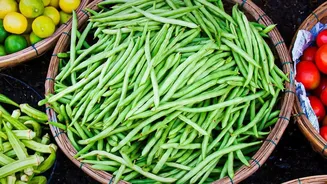
Nature provides a bounty of vegetables that are naturally suited to the monsoon. Gourds are an excellent choice as they have a thick outer skin that protects the edible part. Look for bottle gourd (lauki), ridge gourd (turai), bitter gourd (karela), and pointed gourd (parwal). These vegetables are less susceptible to water damage and spoilage. Other good options include okra (bhindi), cluster beans (gavar), and Indian squash (tinda), which thrive in humid conditions. These are generally safer bets as they are harvested during this season and are more resilient to the challenges posed by the rains.
Be Extra Cautious with Leafy Greens
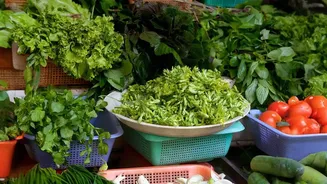
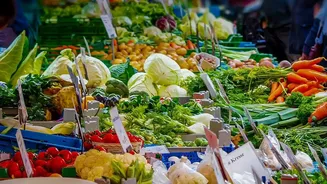
Leafy green vegetables like spinach (palak), fenugreek (methi), and cabbage are particularly vulnerable during the monsoon. Their leaves can easily trap mud, insects, and contaminants from the damp soil. This makes them a higher risk for stomach infections if not cleaned meticulously. If you do buy leafy greens, inspect them carefully for any signs of decay, insect holes, or excessive mud. Avoid any bunches that look wilted or slimy. It is crucial to wash them thoroughly, perhaps by soaking them in a solution of salt or vinegar water, before rinsing them again under clean, running water. Cooking them thoroughly is also recommended overeating them raw.
Inspect Cruciferous Vegetables Closely
Vegetables like cauliflower and broccoli have tightly packed florets that can become a haven for moisture, worms, and mold during the rainy season. These hidden pests can be difficult to spot and even harder to wash out. When buying them, check for any discolouration, dark spots, or an off smell. The heads should be compact and firm. It’s advisable to break apart the florets and soak them in salt water before cooking to dislodge any hidden pests. If a cauliflower head feels unusually heavy or water-logged, it’s best to avoid it.
Smart Selection and Storage at Home
Your job isn’t over once you’ve made your selections at the market. Proper storage is key to extending the life of your vegetables. First, avoid buying in bulk; purchase smaller quantities more frequently to ensure freshness. Before storing, pat all vegetables completely dry with a clean cloth, as moisture encourages bacterial growth. Do not wash vegetables until you are ready to use them. Store most vegetables in breathable bags or in the vegetable crisper of your refrigerator to allow for air circulation. Keep potatoes and onions in a cool, dark, dry place, but not in the fridge, as this can affect their flavour and texture.