




What Are Sweet Basil Seeds?
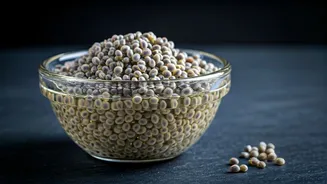
Often seen floating in drinks like falooda or sherbet, sweet basil seeds (Ocimum basilicum) are the tiny black seeds from the sweet basil plant. Locally known as sabja, they are distinct from the seeds of the Holy Basil (Tulsi) plant and are also frequently
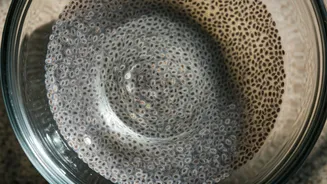
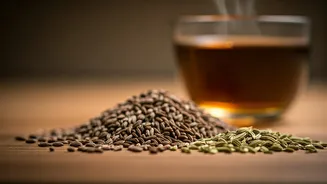
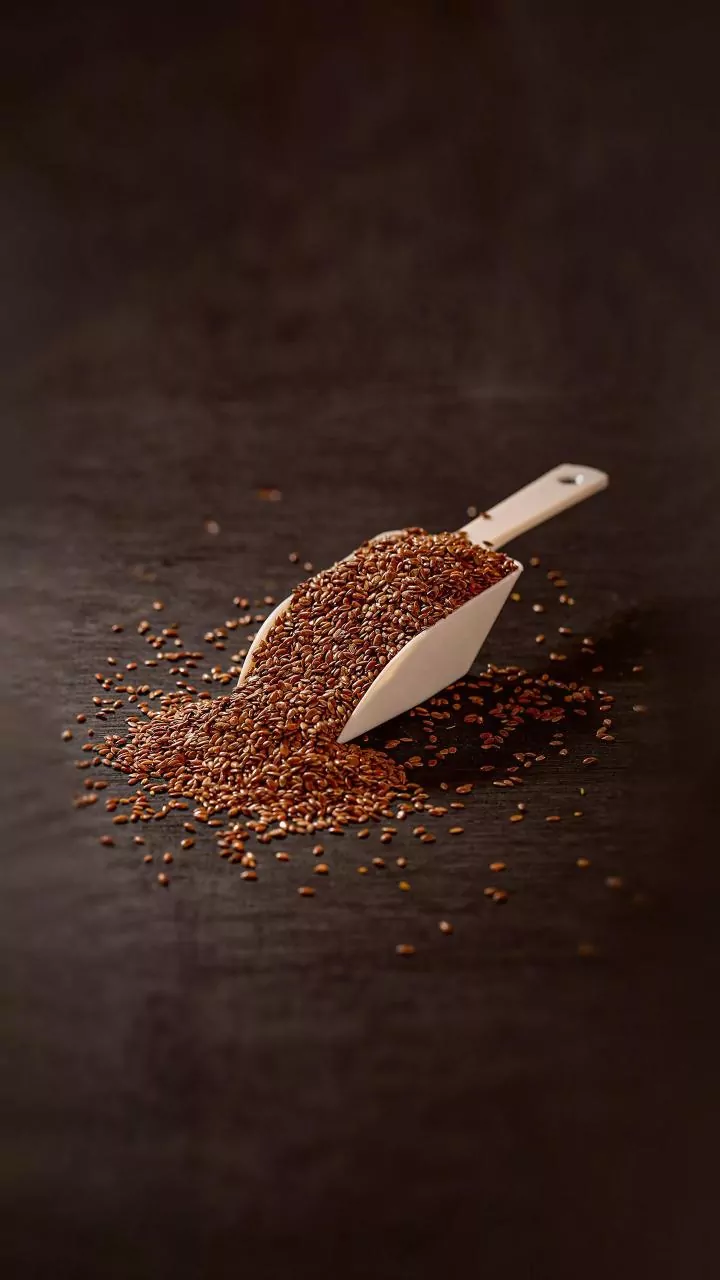
confused with chia seeds. While they look similar to chia seeds when dry, sabja seeds are jet black, tear-drop shaped, and swell up almost instantly when soaked in water. They form a translucent, gelatinous coating around a crunchy black seed, a texture familiar to anyone who has enjoyed a classic Indian rose milk drink. This ability to absorb water and form a gel is central to their health benefits.
The 'Cooling' Effect Explained
The claim that sabja seeds 'cool your gut' is rooted in both traditional wisdom and modern nutritional science. In Ayurveda, sabja is considered a cooling agent that helps balance pitta dosha, which is associated with heat in the body. From a scientific perspective, this effect is largely due to hydration. The gelatinous coating, or mucilage, that forms around the seeds is rich in water. Consuming them provides a slow and steady release of water to the body, helping to maintain hydration and regulate body temperature from the inside out. This makes them particularly beneficial during hot weather or after a workout. They don't lower your core body temperature in a clinical sense, but they act as a natural coolant by combating dehydration and soothing the stomach lining, which can feel 'hot' or irritated due to acidity.
A Powerhouse of Fibre
Beyond cooling, sabja seeds are a fantastic source of soluble fibre. This fibre is what creates the gel-like consistency. In your digestive system, this gel has several benefits. It adds bulk to your stool, which can help regulate bowel movements and relieve constipation. It also acts as a prebiotic, feeding the beneficial bacteria in your gut. A healthy gut microbiome is crucial for everything from digestion to immunity. This high fibre content also promotes a feeling of fullness, or satiety. Having a spoonful of soaked sabja seeds before a meal can help curb overeating, making them a useful tool for those managing their weight.
How to Prepare and Use Sabja Seeds
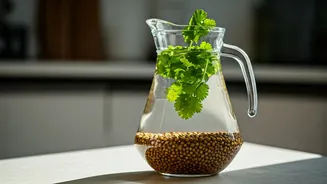
Using sabja seeds could not be simpler. They should never be consumed raw, as they are difficult to digest. To prepare them, just follow these easy steps: 1. **Measure:** Start with one to two teaspoons of sabja seeds per person. 2. **Soak:** Add them to a cup of warm (not hot) water. Using warm water helps them swell fully and release their mucilage. 3. **Wait:** Let them sit for about 15-20 minutes. You will see them swell up and form the characteristic gel coating. Once soaked, you can add them to almost any liquid. Stir them into a glass of water, nimbu pani, coconut water, or buttermilk. Blend them into smoothies, sprinkle them over yoghurt, or mix them into oatmeal. Their flavour is very mild, so they won't overpower the taste of your food or drink. A daily intake of one to two teaspoons is a good starting point for most adults.
A Few Words of Caution
While generally safe for most people, there are a few things to keep in mind. Because of their high fibre content, it's best to start with a small amount to see how your digestive system reacts. Suddenly increasing your fibre intake can sometimes cause bloating or gas. Most importantly, because the seeds swell significantly, it's crucial to ensure they are fully soaked before consuming to avoid any choking hazard, especially for children and the elderly. Some sources suggest that pregnant women and those on blood-thinning medication should consult their doctor before adding sabja seeds to their diet, as they may have a mild effect on oestrogen levels and blood clotting.