



A Trio of Timeless Remedies
For centuries, Indian households have turned to common kitchen staples not just for flavour, but for their health-supporting properties. Turmeric (haldi), ginger (adrak), and tulsi (holy basil) form a powerful trio in Ayurvedic tradition, celebrated for their role
in everything from soothing a cough to aiding digestion and supporting the body's natural defences. Combining them into a simple, warm infusion creates a comforting beverage that taps into this ancient knowledge, offering a gentle way to bolster your daily wellness routine without needing exotic ingredients or complex preparations. This practice is about embracing consistency and the subtle power of nature.
Golden Healer: The Power of Turmeric
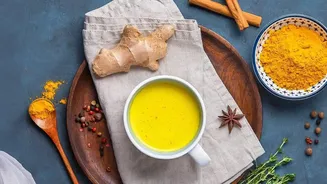
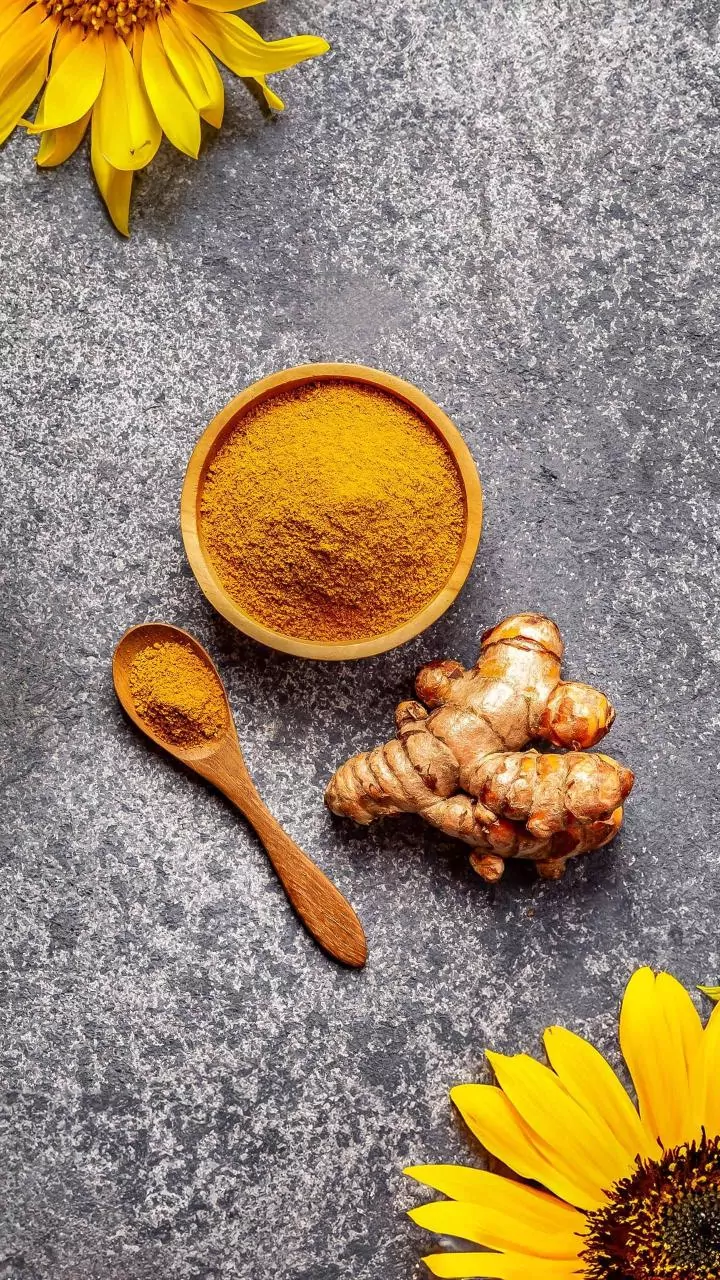
Turmeric, the vibrant golden spice, is perhaps one of the most well-regarded herbs in Ayurveda. Its main active compound, curcumin, has been widely studied for its potent antioxidant and anti-inflammatory properties. Antioxidants are vital as they help the body combat free radicals, which are unstable molecules that can cause cellular damage. In traditional medicine, turmeric is used to cleanse the blood, support liver function, and strengthen the overall immune response. While it's a staple in curries and dals, infusing it in hot water allows its beneficial compounds to be easily absorbed, especially when paired with a pinch of black pepper, which is known to enhance curcumin absorption.
Spicy Protector: The Warmth of Ginger
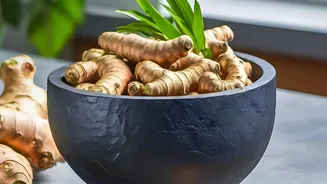
Ginger’s sharp, aromatic character makes it a beloved ingredient worldwide, but its value extends far beyond the culinary. It is a go-to remedy for soothing sore throats, alleviating nausea, and firing up sluggish digestion. The main bioactive compound in ginger, gingerol, is responsible for many of its medicinal properties, including its anti-inflammatory and antimicrobial effects. This makes it a valuable ally during seasonal changes when colds and coughs are more common. A ginger infusion helps to warm the body, promote circulation, and can help clear congestion, making it a comforting and effective drink when you're feeling under the weather.
Sacred Leaf: The Benefits of Tulsi
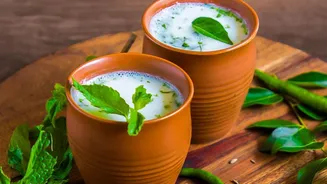
Revered in India as the 'Queen of Herbs', tulsi or holy basil is a sacred plant found in many homes. It is classified as an adaptogen, which means it helps the body adapt to stress and promotes mental balance. In Ayurveda, tulsi is prized for its ability to support respiratory health, making it a key ingredient in remedies for coughs and colds. Its leaves are rich in antioxidants and possess antimicrobial properties that help support a healthy immune system. Adding tulsi to your infusion brings a unique, slightly clove-like aroma and a host of benefits for both body and mind.
Your Simple Immunity Infusion Recipe
Creating this wellness-supporting tea is incredibly simple. Here’s a basic recipe you can adapt to your taste. Ingredients: - 2 cups of water - 1-inch piece of fresh ginger, grated or thinly sliced - 1-inch piece of fresh turmeric, grated (or ½ teaspoon of turmeric powder) - 8-10 fresh tulsi leaves - A small pinch of black pepper (optional, to aid turmeric absorption) - 1 teaspoon of honey and a squeeze of lemon juice (optional, to taste) Instructions: 1. Bring the water to a boil in a small saucepan. 2. Add the grated ginger and turmeric. Reduce the heat and let it simmer for 5-10 minutes. This helps extract the compounds from the roots. 3. Add the fresh tulsi leaves and simmer for another 2 minutes. 4. Turn off the heat and strain the tea into a cup. 5. Allow it to cool slightly before stirring in honey and lemon juice, as boiling water can diminish their beneficial properties.
Getting the Most from Your Infusion
For the best results, consistency is key. Consider making this infusion a part of your daily routine, perhaps as a warm start to your morning or a soothing drink in the evening. Using fresh ginger and turmeric root is often recommended for a more potent flavour and benefit profile, though powders are a convenient alternative. While this tea is generally safe for most people, it's best enjoyed in moderation. Overconsumption of turmeric, in particular, can sometimes lead to digestive upset in sensitive individuals. This infusion is meant to be a supportive element in a balanced lifestyle that includes a nutritious diet, regular exercise, and adequate sleep.