

The Allure of Fresh Juice
There’s no denying the appeal of fresh fruit juice. It’s convenient, delicious, and often feels like a quick way to get a concentrated dose of vitamins. For those who don't enjoy eating whole fruits, juicing can seem like an ideal solution to boost their
intake of essential nutrients. However, the process of turning a solid fruit into a liquid fundamentally changes its nutritional profile and how your body processes it. While some vitamins and minerals make it into your glass, crucial components are left behind, turning a seemingly healthy choice into something that requires a closer look.
The Missing Ingredient: Fibre
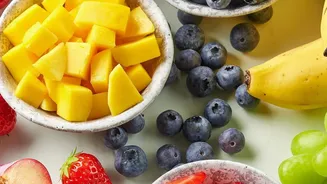
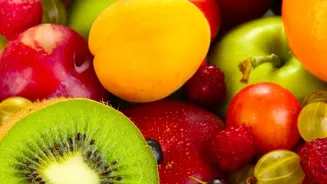
The single biggest difference between whole fruit and fruit juice is fibre. Whole fruits are packed with dietary fibre, which is found in the pulp, skin, and membranes. This fibre is almost entirely removed during the juicing process. Fibre is essential for a healthy digestive system, but its benefits go much further. It slows down the absorption of sugar into the bloodstream, preventing sharp spikes in blood glucose and insulin. It also helps you feel full and satisfied for longer, which can prevent overeating. Losing this fibre means you miss out on these critical regulatory benefits.
A Concentrated Sugar Hit
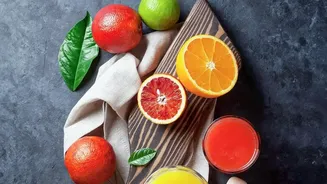
When you eat a whole orange, its sugars are 'intrinsic' — they are trapped within the fruit's cellular structure, wrapped in fibre. The juicing process breaks these cells down, releasing the sugars and turning them into 'free sugars'. Your body absorbs these free sugars much more rapidly, similar to the sugar in a fizzy drink. This can cause a rapid spike in blood sugar, followed by a crash that can leave you feeling hungry again soon after. What's more, it’s easy to consume a lot more sugar than you realize. A single 250ml glass of orange juice can contain the sugar of three to four oranges, an amount you’d be unlikely to eat in one sitting.
The Question of Nutrients
While fresh juice does contain vitamins, minerals, and other plant chemicals, the levels are often lower than in whole fruit. Many beneficial antioxidants and flavonoids are bound to the fibre in the fruit's pulp and skin, so they get discarded during juicing. Furthermore, some vitamins, like Vitamin C, are sensitive to oxygen and light and begin to degrade as soon as the fruit is processed and the juice is exposed to air. Blending a whole fruit into a smoothie is a better alternative than juicing, as it retains the fibre and more of the fruit's overall nutritional content.
Getting the Serving Size Right
Understanding serving sizes is key to making a healthy choice. A single serving of whole fruit is typically one medium-sized piece, like an apple or orange about the size of a fist. For juice, the story is very different. Due to its concentration of free sugars and lack of fibre, a recommended serving size is much smaller. Most health guidelines suggest limiting fruit juice intake to a small glass of about 150 ml per day. It's important to note that while this small amount can count as one of your five-a-day, any juice consumed beyond that does not offer additional credits and only adds more sugar to your diet.