








The Calorie Conundrum
On paper, a calorie is a simple unit of energy. But in the complex ecosystem of the human body, not all calories are created equal. The principle of 'calories in vs. calories out' isn't wrong, but it oversimplifies a complex process. Two meals with identical
calorie counts can trigger vastly different hormonal and metabolic responses, affecting everything from your hunger levels to how much energy you actually store. Focusing only on the number means you miss the bigger picture: the nutritional quality of your food. It’s the difference between simply fueling your body and truly nourishing it.
A Tale of Two 500-Calorie Meals
Imagine two different 500-calorie lunches. Meal A is a fast-food burger and a small handful of fries. Meal B is a large salad with grilled chicken, a variety of vegetables, chickpeas, and a light vinaigrette. Both provide the same amount of energy, but their effects are worlds apart. The burger meal is high in refined carbohydrates and saturated fats, which your body digests quickly. This can cause a rapid spike and subsequent crash in blood sugar, leaving you feeling hungry again soon after. The grilled chicken salad, on the other hand, is packed with protein, fiber, and micronutrients. This combination is digested more slowly, providing a steady release of energy and keeping you feeling full and satisfied for hours.
The Fullness Factor: Satiety Matters
Satiety, or the feeling of fullness, is a crucial factor in managing weight and overall food intake. Protein is widely recognized as the most satiating macronutrient, followed by carbohydrates (especially those high in fiber), with fat being the least satiating. When you eat a protein- and fiber-rich meal like the chicken salad, it helps regulate appetite-controlling hormones. This reduces cravings and makes you less likely to overeat later in the day. In contrast, meals high in simple sugars and refined carbs can disrupt these hormonal signals, leading to a cycle of cravings and overconsumption, even if the initial calorie count was low.
The Energy Burn of Digestion
Did you know that your body burns calories just by digesting food? This is known as the Thermic Effect of Food (TEF). And just like with satiety, different macronutrients have a different TEF. Protein leads the pack, requiring your body to expend 20-30% of its calories just for digestion and metabolism. Carbohydrates have a TEF of about 5-10%, while fat is the lowest at 0-3%. This means that out of 100 calories from protein, you may only net about 70-80 usable calories. This 'metabolic advantage' of protein means that a high-protein meal burns more energy by default compared to a high-fat or high-carb meal of the same caloric value.
Beyond Energy: The World of Micronutrients
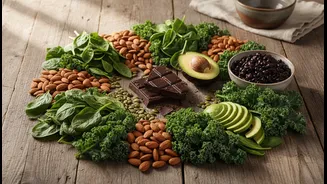
Beyond macros and satiety, nutrient density is a key differentiator. Nutrient-dense foods deliver a high amount of vitamins, minerals, and antioxidants relative to their calorie content. Our 500-calorie salad is a powerhouse of micronutrients that support everything from immune function and energy production to skin health. The fast-food meal, while providing energy, offers very little in terms of these essential compounds. A diet lacking in micronutrients can lead to fatigue and other health issues, even if you are consuming enough calories. Choosing nutrient-dense foods ensures your body has all the building blocks it needs to function optimally, not just survive.