


What Is Fermentation, Really?
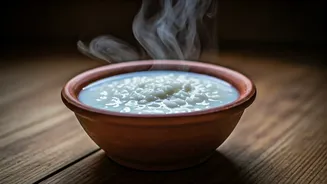
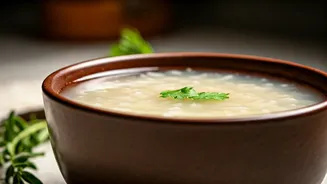
At its heart, fermentation is a natural metabolic process. It’s what happens when microorganisms—like bacteria, yeast, and fungi—break down components like sugar and starch into other products like acids, gases, or alcohol. For centuries, this was one of
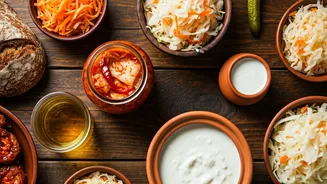
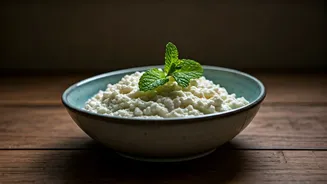
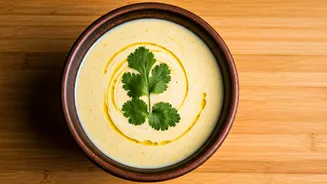
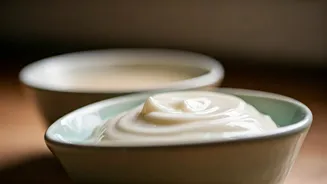
humanity’s best methods for preserving food. Think of pickles lasting through the winter or milk turning into dahi (yoghurt) that keeps for longer. This transformation doesn't just preserve the food; it also creates unique and complex flavours—sour, savoury, and umami—that are impossible to achieve otherwise. More importantly, it populates the food with beneficial live cultures, which is the secret behind its current celebrity status in the wellness world.
The Gut Health Connection
The main reason fermentation is having a moment is our growing understanding of the gut microbiome. Your gut is home to trillions of microorganisms, collectively known as your microbiota. A healthy, diverse gut microbiome is linked to better digestion, a stronger immune system, and even improved mental health via the gut-brain axis. Many fermented foods are packed with probiotics, which are live, beneficial bacteria that can help enrich and diversify your gut flora. Consuming foods like dahi, kefir, or kimchi regularly can help maintain a healthy balance of good bacteria in your digestive system, potentially easing digestive issues and supporting overall well-being. It’s like sending reinforcements to the good guys in your gut.
An Old Tradition, A New Appreciation
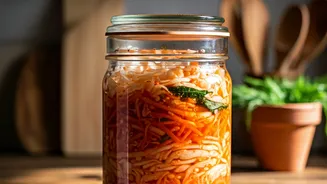
For anyone in India, this ‘trend’ might seem amusingly familiar. Fermentation isn't a new discovery here; it’s a cornerstone of our culinary heritage. Your daily bowl of dahi is a probiotic powerhouse. The fluffy idlis and crisp dosas you love are made from fermented rice and lentil batter, which not only gives them their signature texture but also makes them easier to digest and more nutritious. Dhokla, the spongy Gujarati snack, also relies on a fermented batter. Even seasonal drinks like kanji, a pungent winter beverage made from fermented black carrots, are a traditional way to boost immunity. This new wellness trend is simply a modern rediscovery and appreciation of the wisdom our grandmothers always knew.
Exploring the Global Ferment-o-sphere
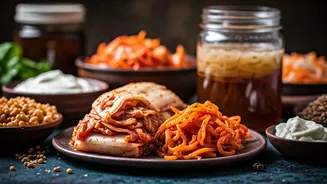
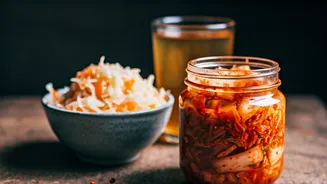
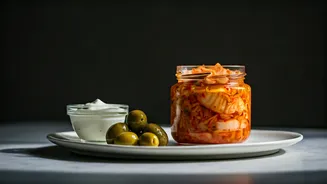
While our traditional foods are fantastic, the global fermentation trend has brought an exciting array of new flavours to our tables. Kombucha, a fizzy, fermented tea, has become a popular alternative to sugary soft drinks. Kimchi, a spicy fermented cabbage from Korea, is a versatile side dish that adds a flavourful kick to everything from fried rice to toast. Kefir, a fermented milk drink similar to a thin lassi, is often even more potent in probiotics than dahi. And of course, there's sourdough bread, which uses a fermented starter instead of commercial yeast, resulting in a more digestible and flavourful loaf. These international stars are now widely available in urban supermarkets and online stores, making it easier than ever to diversify your probiotic intake.
How to Get Started
Jumping on the fermentation bandwagon is simple. You're likely already doing it! The easiest first step is to be more intentional about including traditional Indian fermented foods in your diet. Make dahi a regular part of your meals. Choose idli or dosa for breakfast. From there, you can start experimenting. Try a bottle of kombucha from a local brand or add a spoonful of kimchi to your next bowl of noodles. When buying products, look for labels that say “live and active cultures” to ensure you’re getting the probiotic benefit. For the more adventurous, home fermentation can be a rewarding hobby, starting with something as simple as making your own dahi or pickled vegetables.