




The Soul of Winter on a Plate
Winter in India is not just a season; it's a flavour. Across the country, kitchens embrace slow-cooking methods, seasonal produce, and recipes passed down through generations that only make an appearance when there's a chill in the air. These dishes are
designed for more than just taste; they are traditionally meant to provide warmth and nourishment, using ingredients like ghee, jaggery, and warming spices that fortify the body against the cold. To travel through India in winter is to follow a map of these culinary traditions. It’s an opportunity to understand how climate, agriculture, and culture intersect on a plate, offering a travel experience that is both delicious and deeply insightful.
The Northern Route: Hearty and Rich
The North, where winters are most pronounced, offers a trail of robust and hearty dishes. In Old Delhi, the day begins for many with Nihari, a slow-cooked meat stew traditionally eaten for breakfast to energize laborers for a day's work in the cold. Its origins trace back to the Mughal era, and today, chasing down the best bowl in the gullies of Chandni Chowk is a rite of passage for any food lover. Further north, in Kashmir, the winter culinary scene is defined by the Wazwan tradition, but also by specific cold-weather dishes like Harissa, a rich, slow-cooked meat and rice preparation served hot for breakfast. And no winter journey through the North is complete without Gajar ka Halwa, a decadent carrot pudding made from the sweet, red carrots available only during this season.
The Western Trail: A Harvest of Flavours
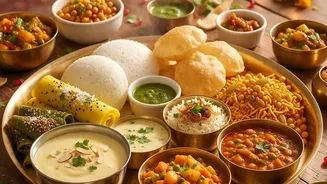
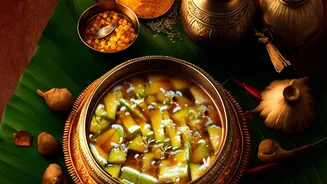
Travel west to Gujarat, and you will find a vegetarian paradise with a unique winter crown jewel: Undhiyu. The name comes from the Gujarati word 'undhu', meaning 'upside down', which refers to the traditional method of cooking the dish in an earthen pot buried underground. This one-pot wonder is a medley of winter vegetables like surti papdi (green beans), purple yam, potatoes, and brinjal, all slow-cooked with a distinctive masala. It’s a dish intrinsically linked to the winter harvest and the festival of Uttarayan. Different cities have their own take; the version in Surat is known for its garlic notes, while Ahmedabad’s is spicier. Exploring this regional variation offers a taste of Gujarat's rich agricultural and culinary heritage.
The Eastern and Southern Experience
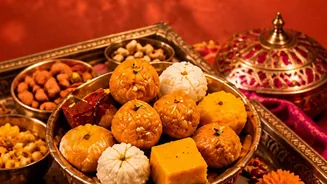
While winters are milder in the East and South, the culinary traditions still shift. In West Bengal, winter is synonymous with Nolen Gur, or fresh date palm jaggery. This liquid gold infuses everything from the morning roti to sweets like Sandesh and Roshogolla, giving them a unique, smoky sweetness you can't find at any other time of year. For a food traveler, this is a chance to taste a flavor that defines a Bengali winter. In the North East, a comforting bowl of Thukpa, a Tibetan noodle soup popular in states like Sikkim and Arunachal Pradesh, becomes a staple. It’s a simple, warming dish of noodles, vegetables, and sometimes meat, that offers a perfect respite from the cold in the hills. Down south, Hyderabadi Paya soup, a rich broth made from goat trotters, is a beloved winter dish known for its nourishing properties.