



The sad desk lunch is a common affliction, especially when long shifts and a crowded office fridge stand between you and a satisfying meal. But your midday break doesn't have to be a choice between soggy sandwiches and expensive takeout.
The Foundation: Grains and Legumes
The key to a lunch
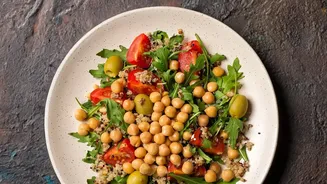
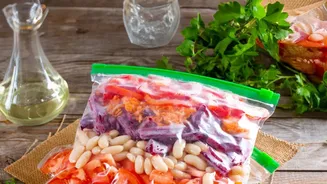
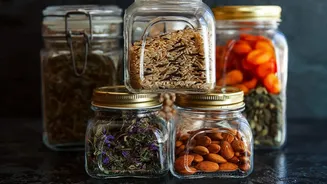
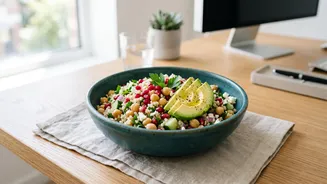
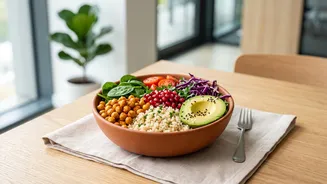
that lasts is a sturdy, nutrient-dense base. Cooked whole grains and legumes are brilliant because they hold up well at room temperature and provide sustained energy. Think beyond simple bread and consider options like quinoa, brown rice, couscous, or pasta. These can be cooked in batches at the beginning of the week. Legumes such as chickpeas, lentils, and black beans are also incredibly stable and packed with protein and fibre. A simple grain or bean salad, tossed with a vinaigrette-based dressing, can often taste even better after a few hours as the flavours meld together.
Hardy Vegetables and Fruits
Not all produce is created equal when it comes to packed lunches. To avoid a wilted, unappetising mess, choose vegetables that are naturally crisp and low in water content. Excellent choices include cherry tomatoes, snap peas, bell pepper strips, carrots, and cucumber. For fruits, anything with its own natural 'packaging' is ideal. Apples, bananas, oranges, and plums travel well. If you're packing cut fruit, an insulated container can help it stay fresh, though hearty options like grapes will fare better than delicate berries over several hours without chilling.
Shelf-Stable Protein Power
Protein is crucial for staying full and focused through a long afternoon. While cooked chicken or deli meats are perishable and need to be kept cold, there are many alternatives that don't require refrigeration. Canned tuna, salmon, or even chicken are excellent options; look for single-serving pouches for convenience. Hard-boiled eggs are a great source of protein and will stay safe for a few hours if packed in an insulated bag. For plant-based power, consider roasted chickpeas, edamame, nuts, seeds, or nut butter packets. Beef jerky and meat sticks are other convenient, non-perishable choices.
Smart Fats and Flavour
Healthy fats contribute to satiety, and the right dressing can make your lunch exciting. Nuts and seeds are the easiest way to add healthy fats and a satisfying crunch. For dressings, oil-based vinaigrettes are much more stable than creamy, dairy-based ones. A small, separate container of olive oil and vinegar can be shaken up just before eating. Hummus and guacamole cups are also great, though they are best eaten within a few hours if not kept cool. For a balanced meal, a good rule of thumb is to fill half your container with vegetables, a quarter with a lean protein, and a quarter with complex carbs.
Packing for Peak Freshness
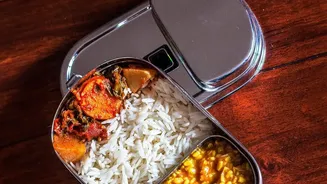
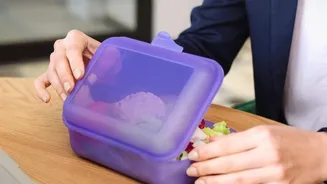
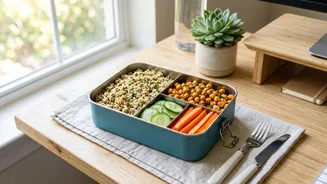
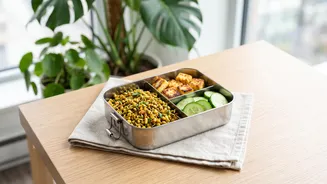
How you pack your lunch is almost as important as what you pack. An insulated lunch bag is a wise investment. Using two cold sources, like a frozen water bottle and a gel pack, can keep perishable items within a safe temperature range for longer. If possible, keep wet and dry ingredients separate until you're ready to eat. Bento-style boxes with multiple compartments are perfect for this, preventing crackers from getting soggy or salads from wilting. Always ensure your lunch box is cleaned thoroughly each day to prevent bacteria from building up.
Putting It All Together: Lunch Ideas
Need some inspiration? Try a 'Deconstructed Burrito Bowl' with a base of brown rice and black beans, topped with corn and bell peppers, and a side of shelfable salsa. Or, a 'Mediterranean Snack Box' with hummus, pita bread, cherry tomatoes, cucumbers, and a hard cheese like cheddar. Another great option is a hearty lentil salad with chopped carrots and celery, paired with an apple and a handful of almonds. For something even simpler, a wrap with peanut butter and a whole banana rolled inside offers carbs, protein, and healthy fats in one easy-to eat package.