


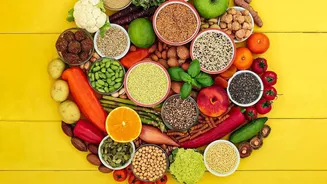
Why Whole Fruit Wins the Health Debate
The fundamental difference between eating a whole fruit and drinking its juice lies in one critical component: dietary fibre. When you eat an apple or an orange, you consume the sugars locked within the fruit's cellular structure. This structure, made
of fibre, forces your body to work harder to break it down, leading to a slow and steady release of sugar into the bloodstream. This process helps in maintaining stable energy levels, promotes a feeling of fullness, and supports digestive health by feeding beneficial gut bacteria. Studies have consistently shown that higher consumption of whole fruits is associated with a lower risk of type 2 diabetes.
The Hidden Downside of Juicing
The process of juicing strips away nearly all of this beneficial fibre, leaving behind what is often termed 'free sugars'. These sugars, no longer bound by fibre, are absorbed rapidly by the body, causing a sharp spike in blood glucose and insulin levels, much like a sugary soft drink. This rapid absorption can contribute to weight gain and an increased risk of metabolic issues over time. For example, a whole orange has a low glycemic index (GI) of around 43, while its juice has a medium GI of about 57, illustrating a significant difference in how the body processes the sugar. Furthermore, many of the fruit's valuable antioxidants and micronutrients, which are often found in the pulp and skin, are lost during juicing.
Your Guide to Indian Winter Superfruits
To truly embrace the season's offerings, focus on enjoying these fruits in their natural, whole form. Here are some of the best Indian winter fruits and the powerful health benefits they offer.
The Immunity Powerhouse: Amla (Indian Gooseberry)
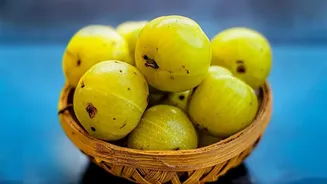
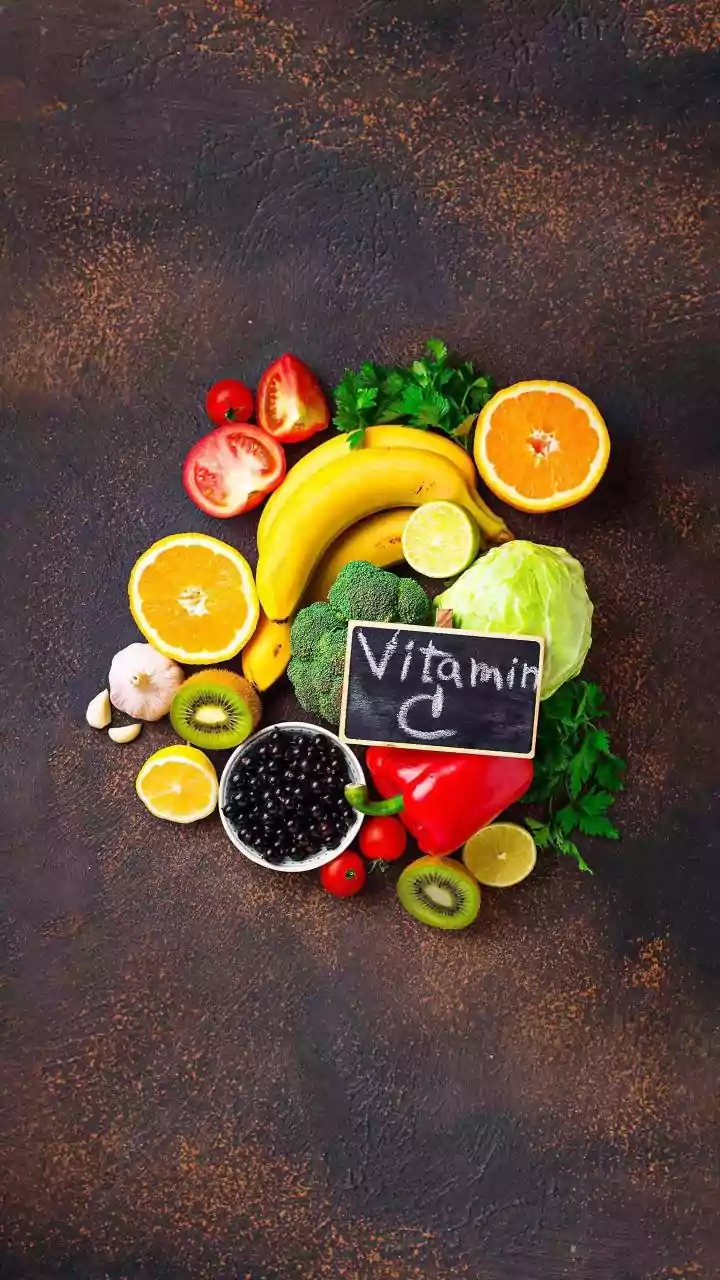
Amla is arguably the undisputed king of winter wellness. This tart, translucent green fruit boasts one of the highest concentrations of Vitamin C found in any fruit, containing roughly 10 to 20 times more than an orange per 100 grams. This makes it a potent immunity booster, crucial for fending off seasonal colds and infections. Amla is also rich in antioxidants and has been used in Ayurveda for centuries to improve skin and hair health. Due to its powerful sour taste, it's often eaten with a sprinkle of salt, pickled, or made into a 'murabba', though it's best to be mindful of sugar content in prepared versions.
The Fibre-Rich Favourite: Guava (Amrood)
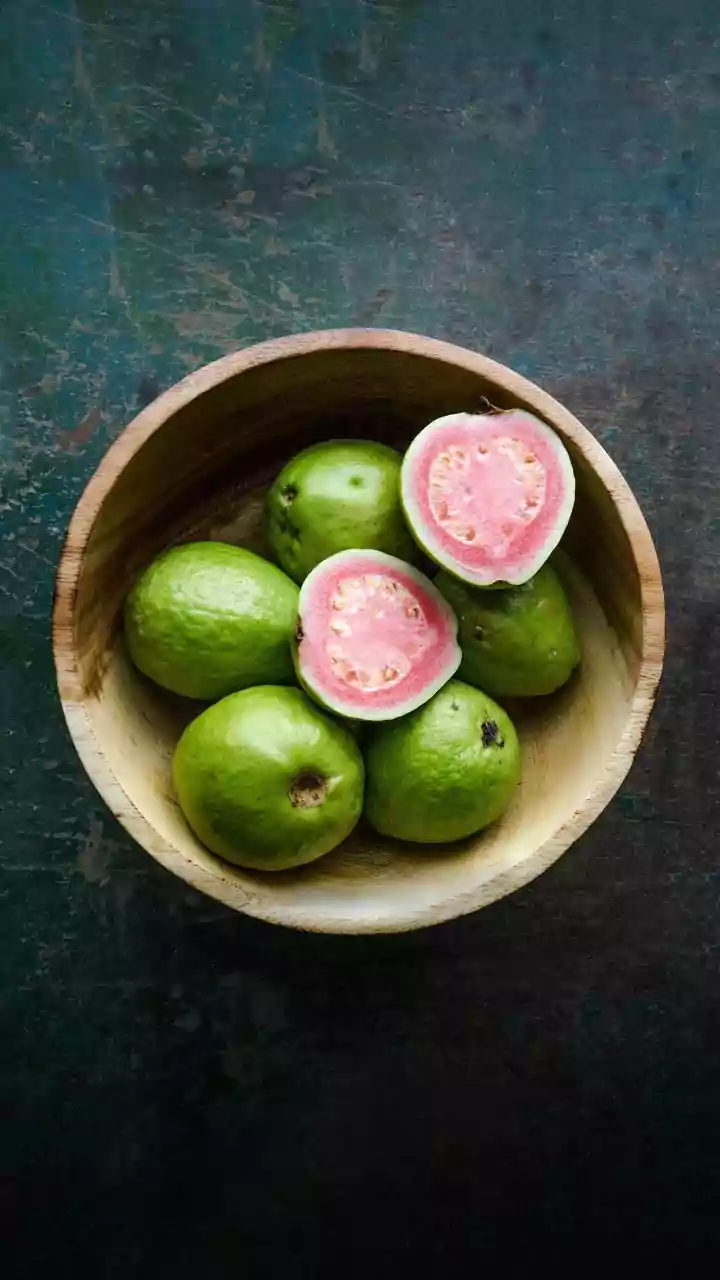
Often overlooked, the humble guava, or 'amrood', is a nutritional powerhouse. It is exceptionally rich in dietary fibre, which aids digestion and promotes satiety, making it a great choice for weight management. Surprisingly, guava contains significantly more Vitamin C than oranges—often up to four or five times the amount—further bolstering your immune system. Its high fibre and low glycemic index also make it an excellent fruit for helping to manage blood sugar levels.
The Jewel of Winter: Pomegranate (Anaar)
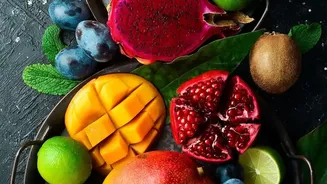
With its jewel-like seeds, the pomegranate is as healthy as it is beautiful. It is celebrated for its powerful antioxidants, particularly punicalagins, which have been shown to have anti-inflammatory effects and may be more potent than those in red wine or green tea. These compounds help protect the body's cells from damage and support heart health by potentially improving blood pressure and cholesterol levels. Eating the seeds, or arils, ensures you also get a good dose of fibre.
The Classic Citrus: Oranges and Kinnow
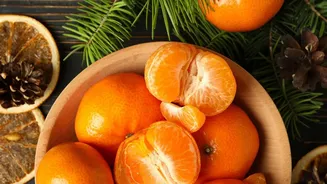
No Indian winter is complete without the sweet, tangy flavour of fresh oranges and kinnows. These fruits are renowned for their Vitamin C content and hydrating properties. While a glass of fresh orange juice is a breakfast staple for many, eating the whole fruit is a far superior choice. The white pith and membranes that cling to the segments are packed with pectin, a type of soluble fibre that slows sugar absorption and contributes to digestive wellness.