






A New Definition of Honeymoon
The classic honeymoon has long been a predictable affair: a five-star hotel, champagne on arrival, and a beachside view. But for a growing number of couples in India, that vision of luxury feels outdated and disconnected. Instead, they are looking upwards—literally—to
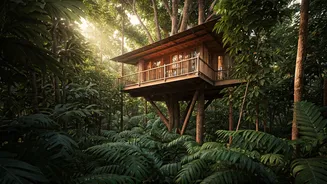
the canopy of Wayanad’s forests. Here, tucked into the Western Ghats, a unique travel trend is taking root. Newlyweds are increasingly choosing to begin their married life in sustainable treehouses, prioritising unique experiences and ecological consciousness over conventional opulence. This isn't about roughing it; it's about a different kind of richness. It’s a deliberate choice to connect with nature, and each other, in a way that a standard hotel room simply cannot offer. This shift signifies a deeper change in values, where 'luxury' is no longer about what you have, but what you experience.
What Makes It Sustainable?
The term 'sustainable' is more than just a marketing buzzword for these treetop havens. Many of the most popular resorts in Wayanad have built their eco-credentials from the ground up. The treehouses themselves are often constructed by members of local tribal communities, using locally sourced materials and traditional building techniques that minimise the impact on the surrounding forest. They are designed to exist in harmony with nature, not to conquer it. Power often comes from solar panels, and water is sourced from natural springs, filtered for use. Waste management is a critical focus, with comprehensive recycling programs and composting systems that turn organic waste into fertiliser for the surrounding plantations. Food is another key element, with many resorts featuring 'farm-to-fork' menus that rely on ingredients grown on-site or sourced from nearby organic farms. This commitment creates a closed-loop system that supports the local economy and preserves the very environment that draws visitors in the first place.
The Allure of the Canopy
So what is it like to swap a penthouse for a perch in a tree? It’s an immersive experience that engages all the senses. Instead of a sterile, climate-controlled room, you get a living, breathing space. Mornings begin with the sound of Malabar whistling thrushes and the sight of mist rising from the valley floor. Afternoons can be spent on your private balcony, spotting monkeys in the branches or simply reading a book as the forest hums around you. The experience fosters a sense of adventure and seclusion that is hard to find elsewhere. Being elevated 60 to 90 feet above the ground offers a unique perspective and an unparalleled sense of privacy. It’s a return to a more elemental way of living, but with modern comforts thoughtfully integrated. This blend of rustic charm and quiet sophistication is what makes the experience so compelling, offering a genuine escape from the noise of modern life.
Wayanad: The Perfect Green Backdrop
There’s a reason this trend has flourished in Wayanad. The district, nestled in the northeastern part of Kerala, is a biodiversity hotspot. Its landscape is a rich tapestry of dense forests, sprawling spice plantations, and mist-covered mountains. This natural abundance provides the perfect setting for eco-tourism. A stay here isn’t confined to the treehouse itself; it’s a gateway to exploring the region. Couples can spend their days trekking to ancient caves like Edakkal, visiting majestic waterfalls like Meenmutty and Soochipara, or taking guided walks through coffee and cardamom estates. The entire region is committed to preserving its natural heritage, making it an ideal destination for travellers who want their visit to be both beautiful and responsible. Wayanad doesn’t just offer a place to stay; it offers an entire ecosystem to explore and appreciate.