








Meet Your Gut Microbiome
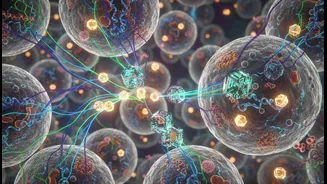
Before diving into the controversy, it helps to understand what the gut microbiome is. Think of it as a bustling community of trillions of microorganisms, including bacteria, viruses, and fungi, living in your digestive tract. This internal ecosystem
is vital for much more than just digestion. A healthy, balanced microbiome helps regulate your immune system, influences your mood, produces essential vitamins, and plays a key role in nutrient absorption. For anyone focused on fitness, a well-functioning gut is the foundation for energy, recovery, and overall performance. When this community is thrown out of balance—a state called 'dysbiosis'—it can lead to a host of issues, from bloating and discomfort to inflammation and metabolic problems.
The Core Concern: Sweeteners Aren't So 'Inert'
The initial appeal of non-nutritive sweeteners (NSS) was that they provided sweetness without calories, seemingly passing through the body without being absorbed. However, this is precisely where the concern lies. Because they aren't digested in the upper gastrointestinal tract, they travel down to the colon, where they come into direct contact with the vast community of gut microbes. Emerging research suggests this interaction is far from neutral. Some studies, primarily in lab and animal models, show that sweeteners like sucralose, saccharin, and aspartame can alter the balance of gut bacteria. They may decrease the population of beneficial bacteria and allow more harmful strains to flourish, potentially leading to dysbiosis. A 2026 University of Cambridge study even found that sweeteners can slow the growth of important gut bacteria, with effects that can be amplified when combined with other common substances like medications or food additives.
What the Science Says
The scientific picture is complex and still evolving. While many lab and animal studies show a negative impact, human trials have produced mixed results. Some studies on healthy adults consuming moderate amounts of certain sweeteners found minimal disruption to their gut flora. The effects appear to be highly individual, depending on the type of sweetener, the amount consumed, and a person's unique microbiome composition. Adding to the conversation, the World Health Organization (WHO) released a guideline in 2023 advising against the long-term use of non-sugar sweeteners for weight control. The recommendation was based on a review suggesting a lack of long-term benefit for reducing body fat and potential links to increased risk of type 2 diabetes and cardiovascular diseases with long-term use. While the WHO's stance has been debated, it has amplified the discussion about whether these sweeteners are truly a healthy choice.
Why Fitness Professionals Are Taking Note
For the fitness community, this emerging science is particularly relevant. The conversation is shifting from a narrow focus on calories to a more holistic view of health, where the gut is central. A compromised microbiome can hinder nutrient absorption, which is critical for muscle repair and energy. It can also contribute to low-grade inflammation, which may impair recovery and athletic performance. Some studies have linked sweetener-induced gut changes to impaired glucose tolerance, which is the opposite of what most health-conscious individuals are aiming for. As a result, many trainers, nutritionists, and wellness experts are now advising clients to be more cautious, encouraging them to reduce their reliance on all types of intense sweeteners and prioritise whole-food-based nutrition instead.
Smarter Sweetening: The Alternatives
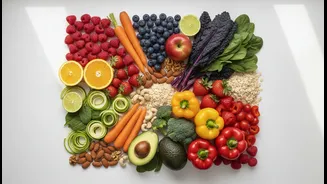
The move away from artificial sweeteners isn't about eliminating sweetness entirely, but rather about being more mindful of its source. Experts are encouraging a return to more natural, less processed options, consumed in moderation. This includes using whole fruits like dates or banana puree to sweeten foods, as they also provide fibre, vitamins, and minerals. For added sweetness, small amounts of natural sugars like raw honey or pure maple syrup are often preferred, as they contain some antioxidants and minerals. Some nutritionists also point to natural, low-calorie options like stevia (in its less processed form) and monk fruit as potentially gentler on the gut than synthetic alternatives, although research is ongoing. The ultimate goal promoted by many experts is to gradually reduce the overall sweetness of one's diet, allowing the palate to adjust to appreciate the natural flavours of whole foods.