




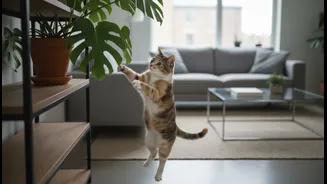


Understanding the Rescue Cat’s Mindset
A rescue cat’s history is often a mystery. They may have experienced stress, instability, or a lack of socialization. As a result, a new home—no matter how loving—can be overwhelming. Cats are territorial by nature, and being thrust into a new, unfamiliar
space can trigger anxiety and fear. Behavioral methods work because they respect the cat's innate need for security and control. Instead of forcing an immediate adaptation, this approach allows the cat to adjust at its own pace, which is fundamental to building their confidence and trust in their new environment and in you.
The 'Base Camp' Strategy
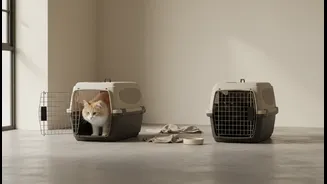
The single most important step is creating a 'base camp' or a safe room. In a space-restricted flat, this might seem difficult, but a bathroom or a small spare bedroom works perfectly. This room becomes the cat's initial territory, equipped with everything they need: food, water, a litter box, a scratching post, and comfortable bedding. By confining them to a small, quiet space initially, you prevent them from becoming overwhelmed by the entire flat. It gives them a secure den to retreat to and allows them to gradually get used to the new sounds and smells of your home from a safe distance. They should stay in this room for several days, or even a week or more, until they appear relaxed and confident.
Speaking Their Language: Scent Swapping
Scent is a cat's primary tool for communication and identification. Before a face-to-face meeting, and while the new cat is in their base camp, you can begin scent swapping. Take a blanket or toy the new cat has been sleeping on and place it in the main living area. Simultaneously, take an item that smells of your home (like a t-shirt you've worn) and place it in their safe room. This process allows the cat to investigate and become familiar with new scents in a non-threatening way. It’s like letting them read the other's profile before the first date, creating a sense of familiarity that dramatically reduces the tension of the first meeting.
Making the Most of a Small Space
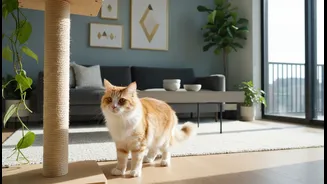
In a flat, floor space is limited, but a cat's territory isn't just horizontal—it's vertical. Cats instinctively seek high perches to feel safe and observe their surroundings. Providing vertical space is a non-negotiable in a small home. This doesn't require massive installations. A sturdy cat tree, wall-mounted shelves, or even a secure window perch can dramatically increase your cat's usable territory. These elevated spots act as escape routes and safe zones, giving your cat a way to navigate the room without touching the floor, which can be especially comforting. Clearing the top of a bookshelf can also create a new vantage point.
The Gradual Introduction
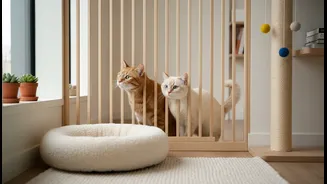
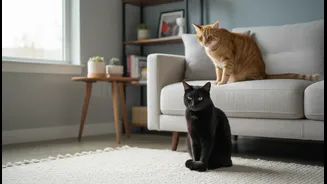
Once your cat is calm in their base camp and familiar with the home's scents, you can begin short, supervised visual introductions. This can be done by propping the door open just a crack or using a baby gate. The goal is to let them see each other briefly while engaging in a positive activity, like feeding them a special treat on either side of the barrier. These initial meetings should be short and sweet. The aim is to build a positive association: seeing the new space or person equals rewards. If there is any hissing or growling, calmly end the session and try again later, perhaps at a greater distance. Patience is paramount; forcing it will only set you back.