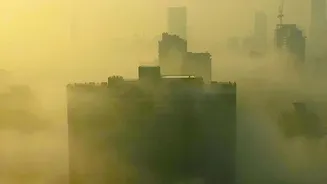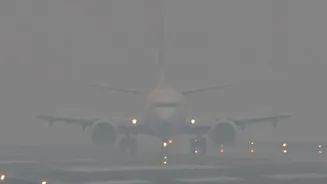





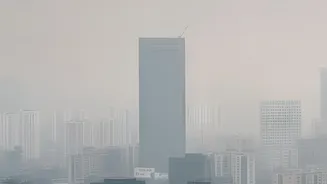
The familiar winter chill in Delhi now arrives with a visible, toxic haze. This annual air quality crisis is forcing a city of millions to make a difficult choice every day: brave the outdoors for work, exercise, and play, or stay inside?
A City Under a 'Very Poor' Haze
As of mid-November,
Delhi's Air Quality Index (AQI) has consistently hovered in the 'very poor' and, at times, 'severe' categories. On November 12, the city's AQI rose back into the 'very poor' range at 319, with some areas reporting levels nearing 400. These numbers are not just abstract data points; they represent a tangible threat. The primary culprits are fine particulate matter, PM2.5 and PM10, which are tiny enough to invade deep into the lungs and even enter the bloodstream. An AQI between 301 and 400, classified as 'very poor', can lead to respiratory illness on prolonged exposure for the general population. For children, the elderly, and those with existing heart and lung conditions, the risks are significantly higher.
The Exerciser's Dilemma: To Run or Not to Run?
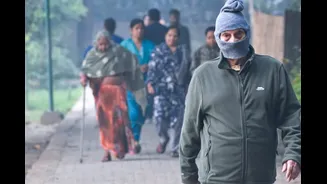
For Delhi's health-conscious citizens, the morning jog or evening walk is a cherished routine now fraught with danger. During exercise, people breathe faster and more deeply, increasing their intake of harmful pollutants. Health experts are issuing clear warnings: avoid outdoor exercise when the AQI is high. Dr. Randeep Guleria, a prominent voice on the matter, has advised people to avoid outdoor walks and jogging, suggesting they exercise indoors where air quality is better. Other doctors echo this, recommending a shift to indoor gyms or home workouts. Some suggest that if one must be outdoors, later in the morning might be marginally better as smog can be more concentrated in the early morning and evening, but this is not a guarantee of safety. The consensus is that any potential benefit from exercise is negated by the harm of breathing toxic air.
Child's Play Becomes a Health Hazard
The impact on children is particularly severe. Their lungs are still developing, and they breathe more air relative to their body weight, making them more vulnerable to air pollution's effects. The simple act of playing outside is now a calculated risk. Doctors strongly advise parents to keep children indoors during high-pollution periods and to swap outdoor sports for indoor activities. Recognizing this danger, the Commission for Air Quality Management (CAQM) has advised schools in Delhi and surrounding states to suspend physical sports competitions during November and December. This official guidance underscores the severity of the situation, transforming schoolyards and neighbourhood parks from places of joy and activity into zones of potential harm.
Daily Life Disrupted
Beyond planned exercise and recreation, the smog affects the fundamental rhythms of daily life. Commuting to work, running errands, or simply walking to a local shop exposes residents to hazardous air. Street vendors, delivery personnel, and others whose livelihoods depend on being outdoors face inescapable exposure. The government's Graded Response Action Plan (GRAP) Stage III, in effect due to the 'very poor' air quality, includes measures like halting non-essential construction and advising work-from-home arrangements where possible, signaling a city-wide slowdown. An insurance company noted a significant increase in policyholders opting for at_home healthcare services, suggesting people are not only avoiding the outdoors but are also falling ill from the air they breathe.
How to Protect Yourself
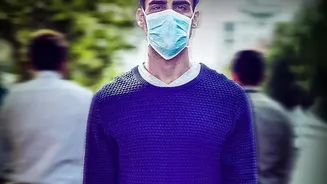
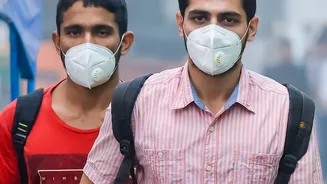
While systemic solutions are critical, residents must take immediate steps to mitigate harm. Health experts universally recommend wearing a wellfitted N95 mask when stepping outside, as surgical or cloth masks offer little protection against PM2.5 particles. At home, keeping windows and doors shut during peak pollution hours is advised. The use of air purifiers, especially in rooms used by children and the elderly, can help reduce indoor pollution. For those with preexisting conditions like asthma or heart disease, it is crucial to continue prescribed medications and consult a doctor if symptoms like persistent coughing, wheezing, or breathlessness appear.