



The Grain We Thought We Knew
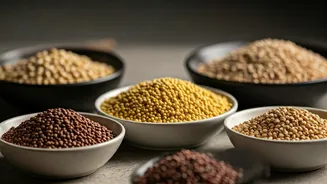
For generations, bajra has been a cornerstone of the Indian diet, especially in the western states of Rajasthan and Gujarat. [10, 14] We know it as a dense, warming flour, patted into thick bhakris or rotis and enjoyed with a dollop of ghee, or simmered
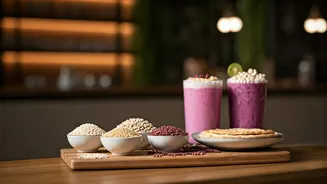
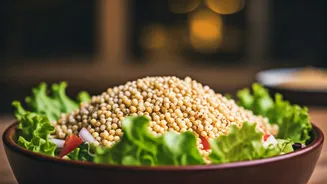
into a hearty khichdi. [10, 14] But its identity as a rustic staple is undergoing a modern reinvention. As health-conscious diners and innovative chefs look for local, sustainable, and nutritious ingredients, bajra is being recognised for its incredible versatility. [10] No longer just a winter comfort food, whole pearl millet is emerging as a chewy, nutty, and satisfying base for vibrant, contemporary salads that are popping up in health cafes and home kitchens alike.
A Nutritional Powerhouse in a Tiny Pearl
The buzz around bajra isn't just about novelty; it's backed by serious nutritional credentials. Pearl millet is a naturally gluten-free grain, making it an excellent choice for those with celiac disease or gluten sensitivity. [2, 4] It's packed with protein, complex carbohydrates, and dietary fibre, which aids digestion and promotes a feeling of fullness, helping with weight management. [2, 5] But the benefits don't stop there. Bajra is a rich source of essential minerals like magnesium, which is crucial for heart health and energy production, and phosphorus, which supports bone health. [3, 7] It also boasts a significant amount of iron, a vital nutrient for preventing anaemia—a widespread concern in India. [1, 18] With a low glycemic index, it releases energy slowly, preventing the blood sugar spikes associated with refined grains. [4, 7]
From Quinoa Killer to Salad Star
For years, quinoa has been the reigning champion of healthy salad grains, but bajra presents a compelling, homegrown alternative. [19] While quinoa is celebrated for being a complete protein, Indian dietary patterns, which often pair grains with dal or legumes, traditionally create complete protein profiles anyway. [19] Where bajra truly shines is in its mineral content. It offers significantly more iron than quinoa, directly addressing a common nutritional deficiency. [18, 19] Texturally, cooked whole bajra offers a delightful, slightly chewy bite and a mild, nutty flavour that doesn't overpower other ingredients. [20, 22] It absorbs dressings beautifully while maintaining its distinct shape, providing a more substantial and interesting mouthfeel than the often-mushy quinoa. This makes it a perfect canvas for both bold Indian spices and subtle vinaigrettes.
How to Prepare Bajra for Salads
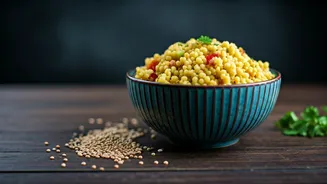
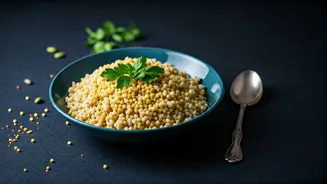
Using bajra in a salad is simple, but requires a little preparation. The key is to cook the whole grain, not the flour. Start by rinsing the bajra pearls thoroughly. Soaking them overnight or for at least 6-8 hours is highly recommended to soften the grain and make it more digestible. [6] After soaking, drain the water. To cook, use a pressure cooker for the quickest results. Add one part bajra to about two-and-a-half parts water and a pinch of salt, then pressure cook for 7-8 whistles on medium heat. [6] Let the pressure release naturally. The result should be tender, fluffy grains. You can also cook it in an open pot, though it will take longer. Simply bring the soaked bajra and water to a boil, then simmer until the grains are soft but still have a slight chew, which could take around 25-30 minutes. Once cooked, let it cool completely before tossing it into your salad.
Get Inspired: Building Your Bajra Salad
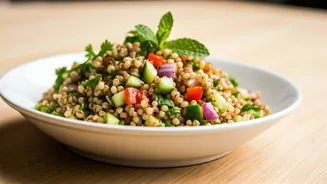
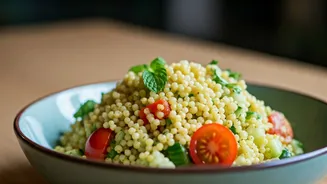
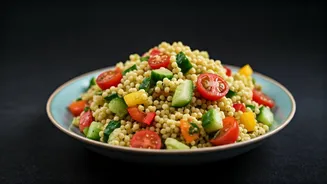
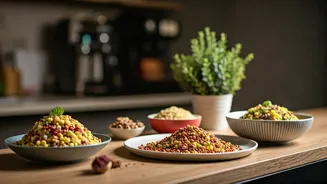
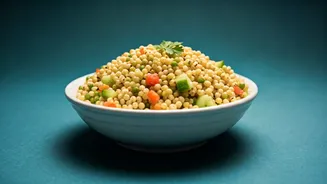
The beauty of bajra is its versatility. You can use it as a base for almost any salad combination. For a refreshing summer bowl, toss cooled bajra with chopped cucumber, tomatoes, onions, pomegranate seeds, and a zesty lemon-mint dressing. For something heartier, try a warm bajra salad by sautéing it with finely chopped carrots, bell peppers, and blanched green peas, finished with a dash of soy sauce and vinegar. [6] It pairs wonderfully with roasted vegetables like sweet potato and beetroot, creamy feta or paneer, and toasted nuts for crunch. You can even take it in a different direction by sprouting the bajra for a few days to boost its nutritional value before adding it to your salads raw or lightly steamed. [9]