



1. Go Beyond Basic Flowers
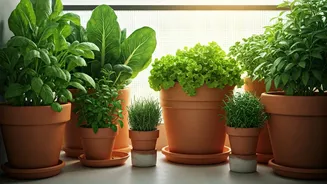
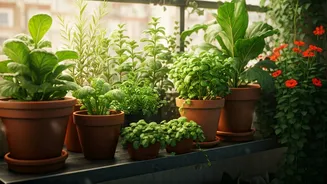
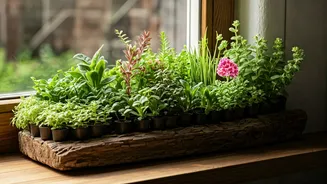
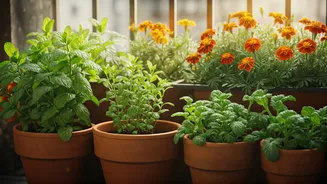
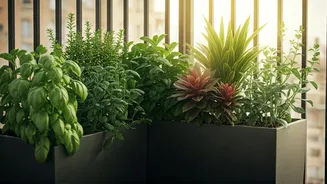
While marigolds and petunias are lovely, your balcony can be a productive powerhouse. Think of it as a mini-farm. Start with essential kitchen herbs that thrive in Indian climates. A pot of tulsi is a must for its spiritual and medicinal value. Mint (pudina)
grows aggressively and is perfect for chutneys and summer drinks. Coriander (dhania) can be grown from seeds from your own kitchen spice box. Even curry leaves (kadi patta) can flourish in a large pot, giving you fresh flavour for every tadka. These plants are relatively low-maintenance and offer a high reward by bringing fresh, organic ingredients right to your fingertips.
2. Think Vertically, Not Just Horizontally
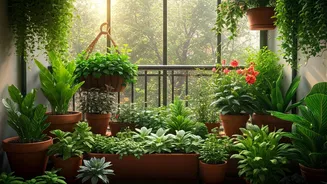
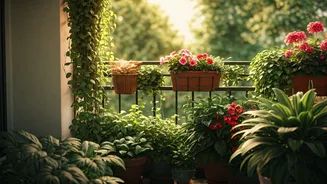
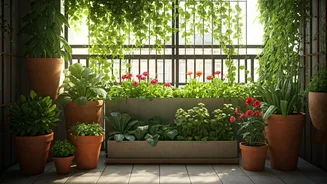
The biggest mistake in balcony gardening is only using the floor. Your vertical space is valuable real estate! Install a trellis against a wall for climbing plants like money plant, bougainvillaea, or even passion fruit if you have enough sun. Invest in tiered or stacking planters that allow you to grow multiple plants in the same footprint. Wall-mounted pockets or railing planters are perfect for growing smaller plants like lettuce, spinach (palak), or strawberries. By drawing the eye upward, you not only make the space feel larger and lusher but also triple your growing capacity without sacrificing your seating area.
3. Choose the Right Vegetables for Pots
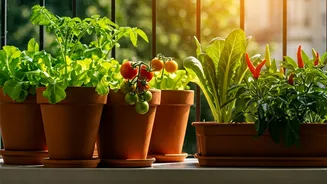
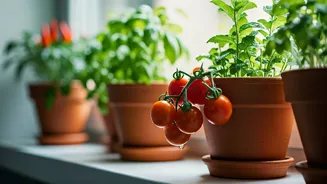
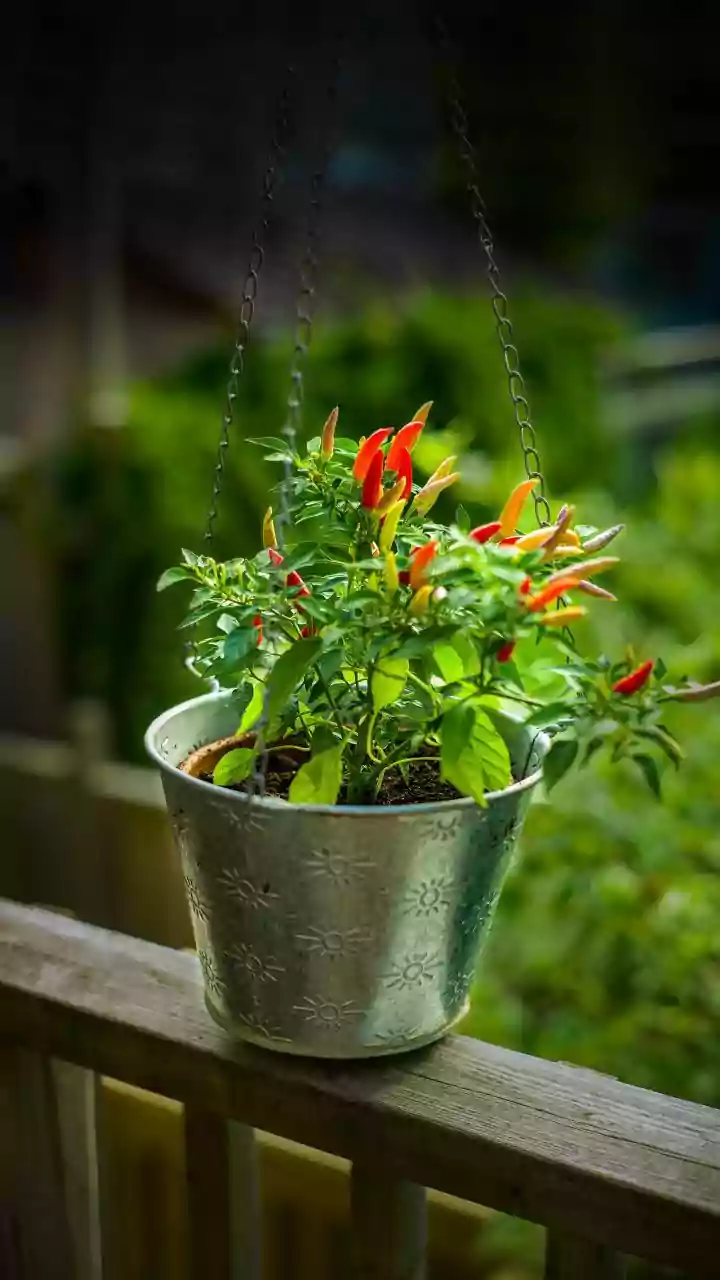
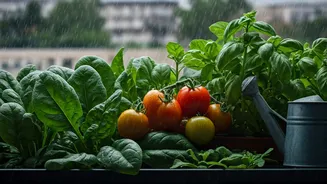
You don't need a huge plot of land to grow your own vegetables. Many varieties are perfectly suited for container life. Cherry tomatoes are a fantastic choice, producing abundantly in a sunny spot. Chilli plants are another winner, providing a steady supply of green and red chillies. Brinjal (baingan) and capsicum also do well in large pots (at least 12-14 inches in diameter). For leafy greens, consider amaranth (chaulai) or fenugreek (methi), which can be harvested multiple times. The key is to choose dwarf or bush varieties and ensure your pots are deep enough to support a healthy root system.
4. Master Your Soil and Water
Plants in containers are completely dependent on you for nutrients and water, so getting the basics right is crucial. Don't just use soil from a park; it's often too heavy and can compact easily, choking the roots. Instead, create a lightweight potting mix. A classic combination is equal parts red soil, cocopeat (which retains moisture), and vermicompost or other organic manure (for nutrition). This mix provides drainage, aeration, and food. For watering, check the soil by sticking your finger an inch deep. If it feels dry, it's time to water. Pots dry out faster than garden beds, especially in our hot summers, so you may need to water daily.
5. Understand Your Sun
Before you buy a single plant, spend a day observing your balcony. How much direct sunlight does it get, and at what time of day? This is the single most important factor in your success. A south- or west-facing balcony that gets 6-8 hours of direct sun is perfect for sun-lovers like tomatoes, chillies, brinjal, and most flowering plants like hibiscus and roses. An east-facing balcony with gentle morning sun is ideal for herbs and leafy greens that can wilt in the harsh afternoon heat. If you have a north-facing or shaded balcony, don't despair. You can still grow shade-tolerant plants like money plant, snake plant, ZZ plant, and many ferns. Matching the plant to the light conditions is a non-negotiable rule for a happy garden.