






A Galaxy of Opportunity
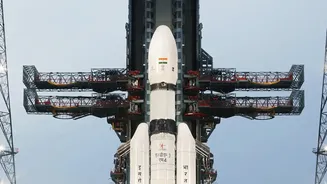
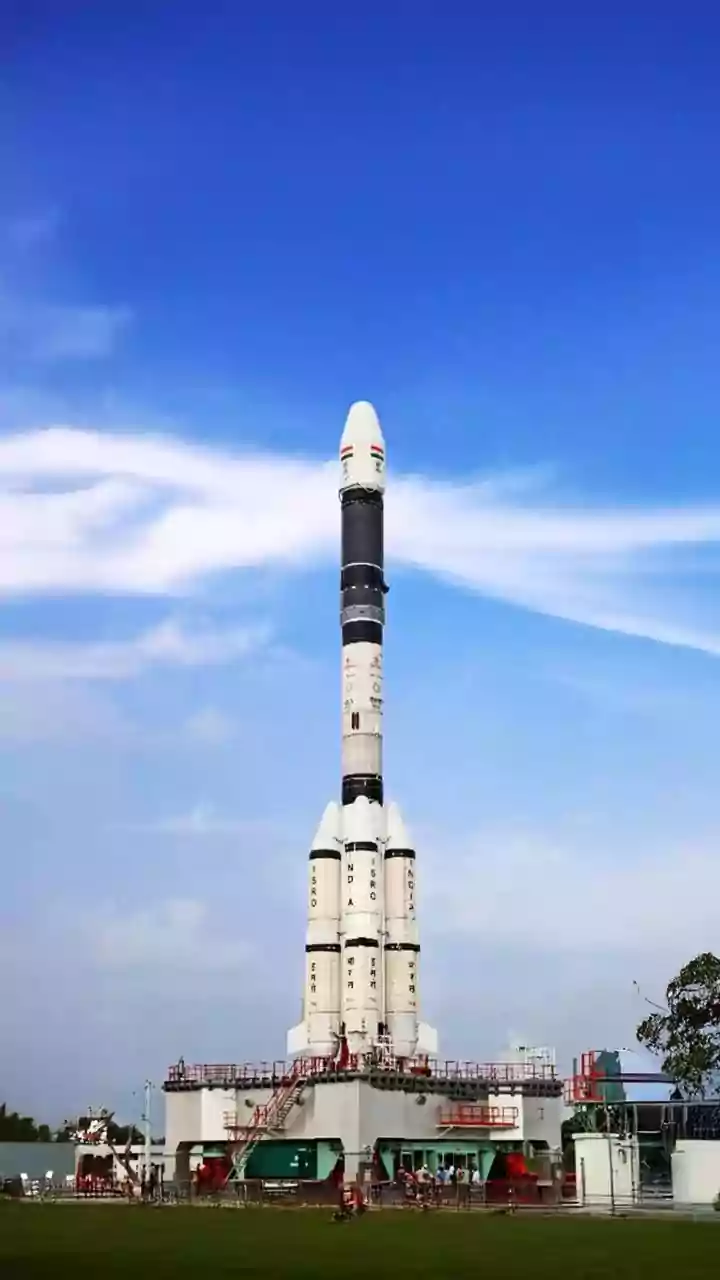
For decades, a career in space for an Indian engineer largely meant one destination: the Indian Space Research Organisation (ISRO). Today, that landscape is changing at light speed. The government's decision in 2020 to open the space sector to private
enterprise has ignited a boom. The number of space-tech startups has surged from just one in 2014 to over 400 by 2026. Companies like Skyroot Aerospace, which became the first private Indian firm to launch a rocket into orbit, Agnikul Cosmos with its 3D-printed engines, and satellite data firm Pixxel are now at the forefront of this new era. This shift is facilitated by IN-SPACe, a government body acting as a single-window agency to promote and authorise private space activities. The goal is ambitious: to grow India's share of the global space economy from 2-3% to over 8%, expanding the domestic market from around $8 billion to an estimated $44 billion by 2033.
Fueling a High-Skilled Jobs Rocket
The most immediate impact of this privatisation push is significant job creation. Projections suggest the growing aerospace and space-tech industry could create over 200,000 new jobs in the coming decade. These are not just any jobs; they are high-skilled roles that were previously scarce outside of government institutions. Startups are actively hiring across the entire value chain, from launch vehicle manufacturing and satellite design to ground station operations and downstream data analytics. This has created a dynamic job market where talent is in high demand. While some express concern about a 'brain drain' from ISRO to these new private entities, many experts see it as a positive sign of a maturing ecosystem where talent mobility accelerates innovation across the board.
The Hunt for Future-Ready Skills
The rise of private space ventures is also redefining the skills an engineer needs. While core disciplines like aerospace engineering, propulsion, and avionics remain crucial, there is a growing demand for expertise in cutting-edge fields. Companies are looking for engineers proficient in robotics, artificial intelligence, and machine learning to analyse vast amounts of satellite data and automate complex systems. Other in-demand skills include materials science for developing lighter and stronger components, 3D printing for rapid prototyping and manufacturing, and cybersecurity to protect space assets. This shift presents a challenge for India's educational institutions, which now must adapt their curricula to train engineers not for the missions of today, but for the yet-to-be-designed technologies of tomorrow. The engineer of the future will need to be a hybrid, combining deep physics-based knowledge with data science acumen.
Reversing the Brain Drain
Historically, many of India's brightest engineering graduates sought opportunities abroad in leading global aerospace firms. The emergence of a vibrant domestic space industry offers a compelling reason for them to stay. Startups founded by former ISRO scientists, like Skyroot Aerospace, provide an environment of fast-paced innovation, greater flexibility, and the chance to work on groundbreaking projects from the ground up. This creates a powerful incentive for top talent to build their careers within India, contributing directly to the nation's goal of becoming 'Atmanirbhar' (self-reliant) in space technology. By offering globally competitive challenges and career growth, the private space sector is becoming a critical tool for retaining and attracting the country's best and brightest engineering minds.