


Why Lending Can Feel So Awkward
We’ve all been there. A friend needs to borrow your cordless drill for a weekend project, or a cousin wants to use your extra set of folding chairs for a family gathering. You want to be generous, but a nagging thought holds you back: what if it gets
broken, lost, or returned in a mess? The fear of a damaged item is often matched by the fear of a damaged friendship. Asking for a deposit can feel too formal, but saying nothing can feel like you’re accepting all the risk. This uncertainty is why many people simply say no, even when they’d like to help. The core of the problem is ambiguity. Without a clear, mutual understanding of the item's condition and the rules for its use, both the lender and the borrower are left to navigate a minefield of unspoken expectations.
Create Your Digital Handshake
The solution is to replace that ambiguity with clarity. You don’t need a complex legal contract to lend a neighbour your stepladder. What you need is a “digital handshake”—a simple, shared record that documents the item and outlines the terms of the loan. Your smartphone is the perfect tool for this. By using a standard notes application like Apple Notes, Google Keep, or even a basic document shared via email, you can create a comprehensive record in just a few minutes. This single note will house everything: time-stamped photos of the item's condition, a clear list of rules and expectations, and the agreed-upon return date. Sharing this note creates a moment of mutual agreement. It’s not about mistrust; it’s about establishing a transparent process that protects everyone involved and prevents future misunderstandings.
The Pre-Loan Photoshoot
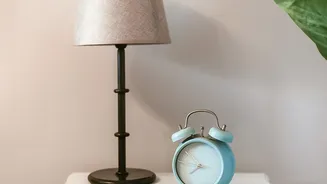
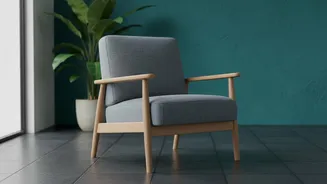
Before the item leaves your possession, conduct a brief but thorough photoshoot. This is the most crucial step for documenting its initial condition. The goal is to create a visual baseline that you both can refer to later. Start with several wide shots of the entire item from different angles. Then, move in for close-ups of any existing scuffs, scratches, or signs of wear. Is there a small chip on that serving platter? A faint stain on the upholstery of that armchair? Photograph it. This isn’t about highlighting flaws; it’s about honestly documenting the item’s current state. This record protects the borrower from being blamed for pre-existing damage just as much as it protects you. Use your phone’s camera, as the photos will automatically contain metadata with the date and time, providing an indisputable timestamp. Once taken, insert these images directly into your shared note.
Set Clear Expectations in Writing
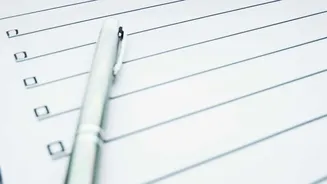
Beneath the photos in your note, add a short, bulleted list of the rules. Keep the language simple and direct. This is a friendly agreement, not a legal document. According to etiquette and rental experts, clear written terms are essential for avoiding disputes. Your list should cover the basics: the borrower's name, the exact item being borrowed, and the agreed-upon date and time for its return. Specify any rules regarding cleaning. For example, “Please return the food processor clean and dry,” or “The dress should be professionally dry-cleaned before return.” If there is a rental fee or a security deposit, state the amount clearly. Finally, include a simple sentence about what happens in case of damage, such as, “If the item is damaged, please let me know immediately so we can discuss repair or replacement.” This simple step transforms vague assumptions into concrete, agreed-upon terms.
Putting It All Together and Sharing
Modern notes apps are designed for this kind of multimedia consolidation. In Apple Notes or Google Keep, you can easily drag and drop your photos into the note and type your rules directly below. Title the note with the item and the borrower's name (e.g., “Lawnmower - Borrowed by Raj - July 2026”). Once complete, use the app's sharing feature to send a link to the borrower via text message or email. Ask them to review it and reply with a simple “Looks good” or “I agree.” This confirmation completes your digital handshake. For higher-value items or longer-term rentals, you might consider using a dedicated personal property rental agreement template, which can also be attached to your note. The key is that both parties have access to the same information in one central, easily accessible place.
The Post-Loan Check-Up
When the item is returned, the process is simple. Open the shared note on your phone and, with the borrower present if possible, compare the item’s current condition to the “before” photos. This makes the check-up objective, not confrontational. You’re not relying on memory; you’re both looking at the same evidence. If everything looks good, the loan is complete. If there’s new damage, your note provides the perfect, low-stress starting point for a conversation about how to resolve it based on the terms you both agreed to. This final step closes the loop and reinforces the trust established at the beginning. By making documentation a standard part of the process, you remove the personal friction and make it a simple matter of procedure.