



Munnar, India: The Emerald Hills
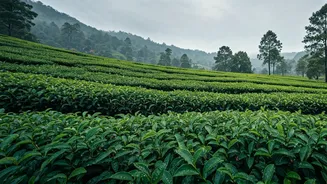
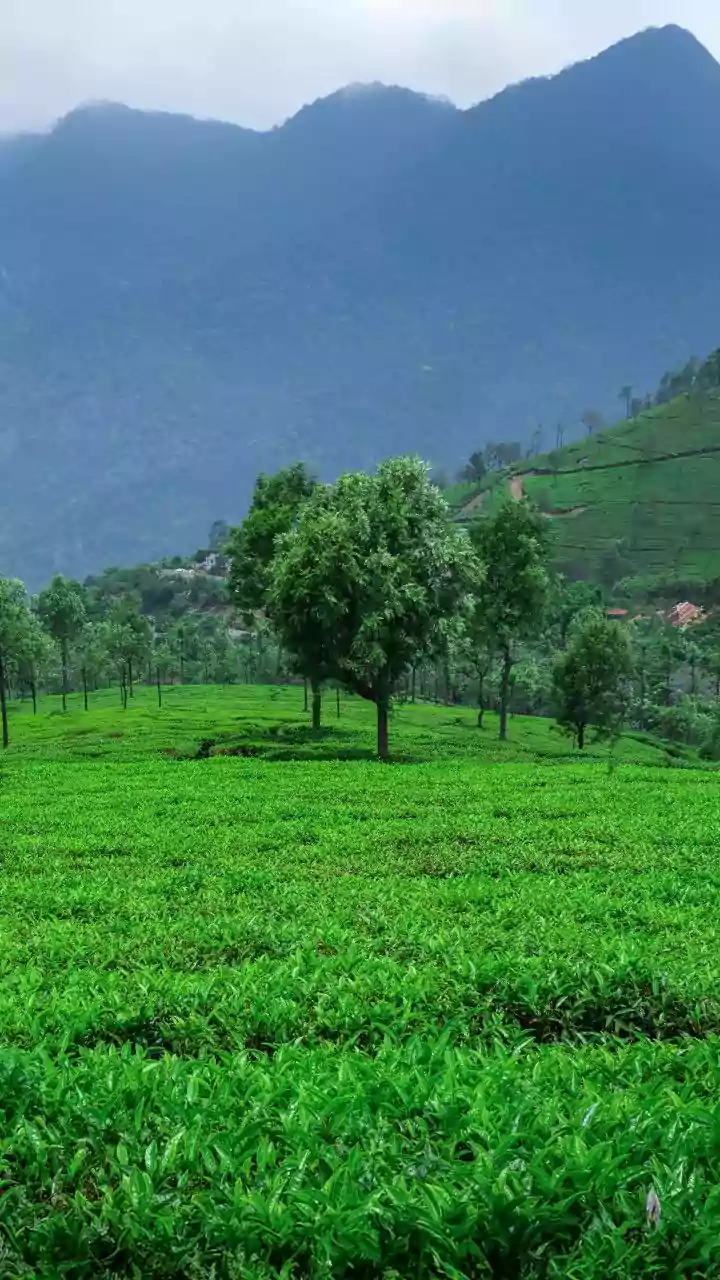
Forget the postcard image of a sun-drenched beach. Picture this instead: you’re wrapped in a warm shawl, sipping fragrant chai on a balcony overlooking hills carpeted in an impossible, electric green. This is Munnar during the monsoon. Located in the state
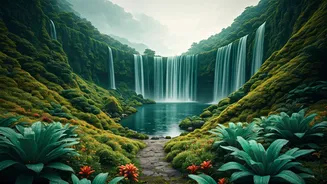
of Kerala, often called "God's Own Country," this hill station's famous tea plantations are at their most breathtaking when drenched in rain. The mist hangs low in the valleys, creating a mystical, almost cinematic atmosphere. The waterfalls, like Attukad and Lakkam, which are pleasant trickles in the dry season, become roaring spectacles. The crowds of peak season are gone, replaced by a profound tranquility. It's a destination not for ticking off sights, but for soaking in an atmosphere—the smell of wet earth and tea leaves, the sound of the rain, and the sight of a landscape washed clean and renewed.
Sapa, Vietnam: The Terraced Heavens
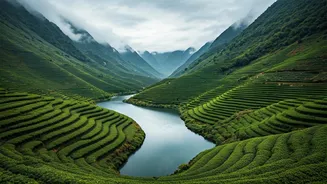
While many trekkers visit Sapa in the autumn to see golden rice fields, the monsoon season (June to August) offers a different kind of magic. This is when the iconic terraced rice paddies are planted and flooded with water, turning the entire region into a cascading mirror reflecting the sky. The green is so intense it almost seems to hum with life. Yes, it will rain, but the downpours are often brief and dramatic, followed by periods where the clouds part to reveal staggering views of the Hoang Lien Son mountains. The rain invigorates the landscape, making the jungle treks feel more adventurous and the air cleaner. It's the perfect time for travelers who prefer moody, dramatic landscapes over guaranteed sunshine and are willing to trade bustling trails for a more contemplative, awe-inspiring experience with the local hill tribes.
Udaipur, India: The Revitalized City of Lakes
Rajasthan, India's desert state, might seem like an odd choice for a monsoon trip. But Udaipur, the famed “City of Lakes,” is the glorious exception. During the dry months, its man-made lakes can shrink, revealing their less-than-glamorous banks. The monsoon, however, is the city’s lifeline. The rains replenish the lakes, fill the reservoirs, and wash the dust off the majestic white marble palaces. The entire city feels like it’s taking a long, refreshing drink. The surrounding Aravalli Hills, typically arid and brown, burst into a surprising green. Enjoying a cup of coffee from a cafe overlooking a full, shimmering Lake Pichola as the rain patters down is an experience that summer tourists miss entirely. It’s romantic, revitalized, and wonderfully uncrowded.
Luang Prabang, Laos: Waterfalls and Solitude
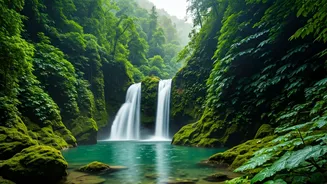
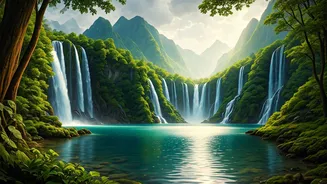
This UNESCO World Heritage town in Laos is charming year-round, but the rainy season offers a unique appeal for the discerning traveler. The primary draw is the Kuang Si Falls. While beautiful in the dry season, the monsoon turns this multi-tiered cascade into a thunderous, powerful force of nature. The turquoise pools at its base remain swimmable and are often less crowded. The surrounding vegetation becomes a lush, deep green, making the jungle feel more alive than ever. Beyond the falls, the town itself takes on a slower, more peaceful rhythm. You can explore the dozens of golden-roofed temples (wats) in relative solitude, ducking into a cozy cafe to wait out a passing shower while watching saffron-robed monks walk by. It’s a chance to experience Luang Prabang not as a tourist hub, but as the serene, spiritual place it truly is.