








For decades, the Indian retail calendar was simple: prepare for Diwali. But a quiet revolution is underway. Brands are now looking beyond the major national holidays, realising that India’s diverse regional festivals are powerful opportunities.
Beyond the Diwali Boom
For years,
the rhythm of Indian retail was dictated by a handful of pan-national festivals. Brands concentrated their biggest marketing budgets and product launches around Diwali, with smaller spikes for Holi and Christmas. This created a highly concentrated, competitive, and often predictable shopping season. While these festivals remain immensely important, a strategic shift is broadening the commercial landscape. Retailers are waking up to the reality that India doesn't just celebrate on a few designated days; it celebrates all year round. The country's festive calendar is a rich tapestry of regional events, each with its own cultural significance, rituals, and consumption habits. This evolving understanding marks a move away from a one-size-fits-all approach to a more nuanced, year-long engagement strategy.
The Rise of Regional Commerce
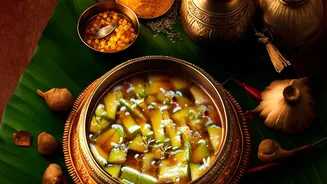
From Onam in Kerala and Durga Puja in West Bengal to Pongal in Tamil Nadu and Bihu in Assam, regional celebrations are becoming significant commercial events. Quick commerce platforms and major e-tailers are now creating dedicated storefronts, curating occasion-specific products, and running home-screen banners that change by region and even pin code. For example, a food delivery app might promote Pongal-specific meals in Tamil Nadu, while a fashion brand collaborates with Gujarati creators to showcase nine different outfits for Navratri. This localisation extends to products themselves. Brands are launching region-specific collections, such as Kalyan Jewellers' targeted designs or Asian Paints' increased ad spend during Durga Puja in West Bengal. The goal is to align with consumer intent when it is highest and most culturally relevant.
Digital Reach and Cultural Pride
Several factors are driving this change. The rapid expansion of e-commerce and quick commerce has been a primary catalyst. Platforms now have the data and the logistical capability to target specific regions with tailored campaigns, something that was far more difficult with traditional media. With a growing number of online shoppers coming from Tier 2 and Tier 3 cities, brands are finding new, engaged audiences who respond to localised content. Furthermore, this trend reflects a growing sense of regional identity and cultural pride. Consumers are increasingly drawn to brands that acknowledge and celebrate their local traditions. Using regional languages, cultural symbols, and local influencers helps build a sense of authenticity and community trust that generic, pan-Indian campaigns often lack.
More Than Just a Discount
The most successful brands understand that regional festival marketing is not just about offering another discount. It's about demonstrating cultural understanding and building a genuine connection. Campaigns that tell a story rooted in family, tradition, and personal moments tend to resonate more deeply. For instance, a skincare brand might build a campaign around getting ready for Raksha Bandhan, or a home decor brand might use Ganpati mandap visuals in its marketing for Maharashtra. This approach turns a transaction into an emotional touchpoint. By participating in these cultural moments respectfully, brands can foster loyalty that lasts long after the festival is over. They become part of the celebration itself, rather than just a commercial interruption.
The Challenge of Getting It Right
However, this strategy is not without its challenges. The primary risk is a lack of authenticity. Simply slapping a festival name on a generic promotion can backfire, leading to accusations of commercialising culture without respect. Effective regional marketing requires deep cultural understanding. Brands must invest in research and partner with local creators and experts who can provide genuine insights into the nuances of each celebration. The language, the visuals, the offers, and the overall tone must feel natural and relevant to the community being addressed. Those who get it right can unlock incredible growth, but those who take shortcuts risk alienating the very consumers they are trying to attract.