


From Itinerary to Experience
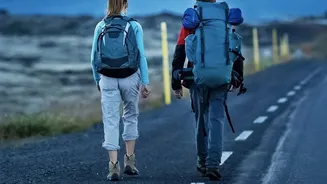
The script for the great Indian holiday is being rewritten. For decades, it was a familiar pattern: one long annual vacation, meticulously planned months in advance. Today's young traveller, however, is trading this model for shorter, more frequent, and
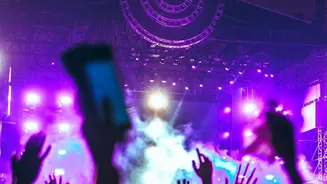
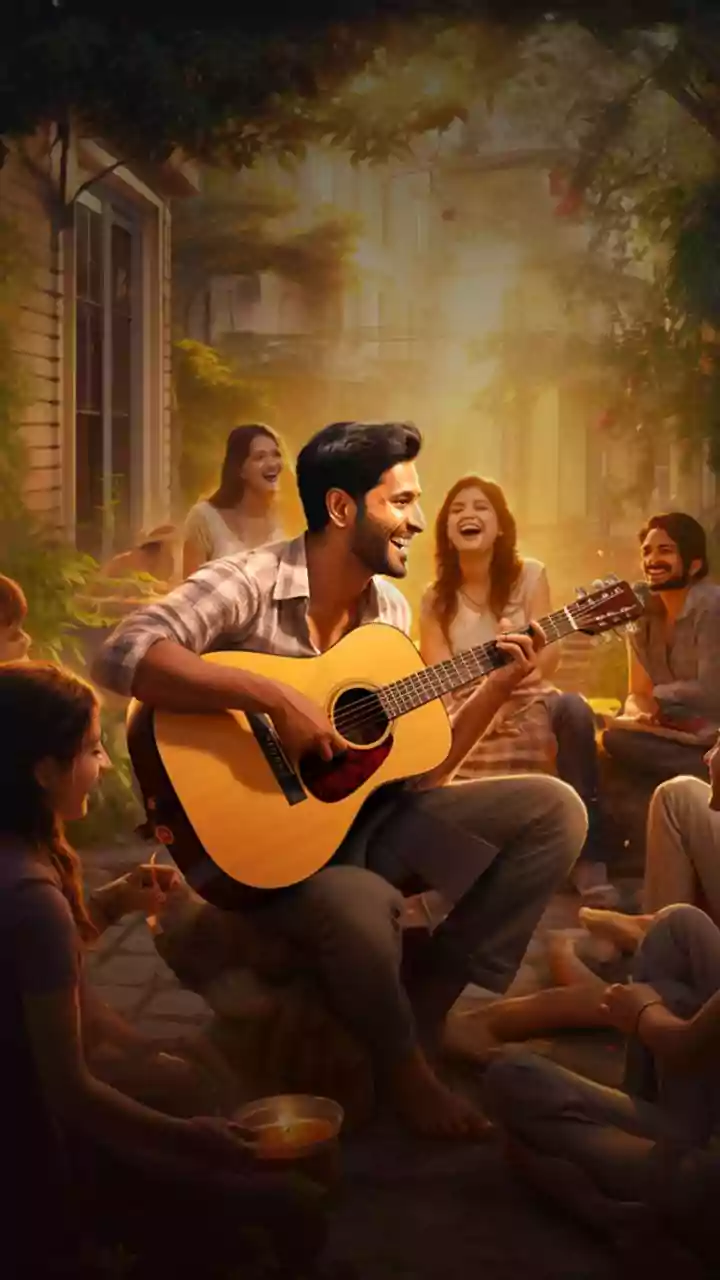
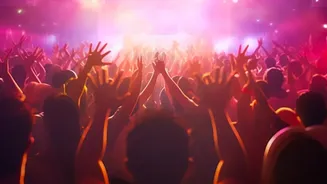
spontaneous getaways. According to recent travel reports, a significant majority of Gen Z travellers in India now prefer multiple short trips over a single long one. This isn't just about saving time or money; it's a fundamental shift in mindset. The destination is no longer just a place, but an experience. And increasingly, the catalyst for that experience is a music or cultural festival.
The New Festival Circuit
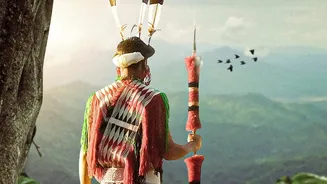
This trend is putting new, previously overlooked locations on the map. Take the Ziro Festival of Music in Arunachal Pradesh. Set against a backdrop of lush paddy fields and misty mountains, it has become a pilgrimage for indie music fans. Crucially, the festival's allure is inseparable from its location, introducing thousands of young people to the culture of the Apatani tribe. Similarly, the Magnetic Fields festival transformed the 17th-century Alsisar Mahal in a remote Rajasthani village into a hub for underground electronic music, mixing royal heritage with contemporary culture. These events are not just concerts; they are immersive cultural encounters in places that offer a genuine sense of discovery.
The Quest for Authenticity
What's driving this movement? It's a desire for authenticity and personal expression. Reports suggest that for young travellers, the journey is as much an act of self-expression as it is about exploration. They are gravitating towards experiences that feel unique and personal, rather than pre-packaged. A festival in a remote location offers the perfect blend of community, culture, and adventure. It's a chance to disconnect from the urban grind and connect with something more grounded. This desire is so strong that over 75% of young travellers report visiting a city for the first time specifically for a concert or festival.
A Boost for Local Economies
The impact of this trend extends far beyond the festival grounds. It represents a significant economic boost for local communities. In places like Ziro Valley, the festival has become the largest non-pilgrimage tourist event, with homestays operating at full capacity and local artisans, vendors, and farmers all participating. This creates a more sustainable model of tourism where value is created with the community, not just extracted from it. The governor of Arunachal Pradesh has even noted that this form of cultural tourism helps create sustainable livelihoods and provides a platform for local products and talent. It's a powerful example of how creative events can fuel rural economic growth.
More Than Just the Music
While the lineup is the initial draw, these trips often evolve into broader explorations. More than half of these festival-goers extend their stay to explore the local area, from cafes and markets to nearby natural attractions. The festival becomes a gateway to a region. For example, attendees of Magnetic Fields are encouraged to engage in activities like stargazing and treasure hunts around the palace grounds, deepening their connection to the place. This demonstrates a shift from passive sightseeing to active participation, where the cultural event and the destination are inextricably linked, creating a richer, more memorable travel story.