








The Brewing Storm in Your Snack Bowl
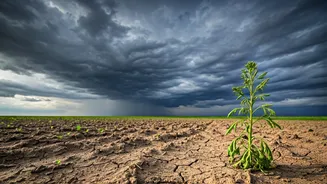
The primary reason your snack packets might feel lighter on the wallet is a force of nature: the monsoon. This year, India is grappling with the effects of a developing El Niño, a climatic pattern that has led to a weaker-than-expected monsoon. As of early
July 2026, rainfall has been significantly below average across the country, causing concern for the crucial Kharif sowing season. With agriculture being heavily dependent on these seasonal rains, a deficit directly impacts crop yields, creating a ripple effect that travels from the farm all the way to your chai-time platter. This isn't just a weather report; it's a direct threat to the cost and availability of the raw materials that make up our most beloved munchies.
Deconstructing the Costs: Key Ingredients Under Pressure
So, what exactly is getting more expensive? The answer lies in the core components of most Indian snacks. Firstly, edible oils are facing a double squeeze. India imports nearly 60% of its edible oil, making domestic prices vulnerable to global market fluctuations and currency changes. A weak monsoon further strains this by reducing the domestic harvest of oilseeds like groundnut and soybean, with sowing reportedly down by over 50% compared to last year. This means the cost of frying everything from potato chips to pakoras is set to rise. Secondly, pulses, the base for gram flour (besan) used in countless namkeens, sev, and bhujia, are also under threat. With the sowing of pulses lagging by around 30%, a tighter supply is expected to push up prices. Finally, don't forget the wrapper. Higher crude oil prices contribute to increased costs for packaging materials and transportation, adding another layer of expense that manufacturers eventually pass on to consumers.
Which Snacks Are Most Vulnerable?
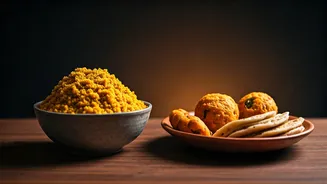
While the pressure is broad, some snack categories will feel the heat more than others. Fried snacks, both packaged and from your local street vendor, are on the front line due to their reliance on edible oils. Expect the price of potato chips, samosas, and kachoris to reflect these rising costs. Traditional ethnic snacks, or namkeens, are the next in line. The potential scarcity of gram flour and other pulses will directly impact the production cost of favourites like Bikaneri bhujia, chivda, and sev. Even the humble biscuit isn't entirely safe. While wheat prices have been relatively stable, major companies like Britannia have already indicated that pressures from fuel and packaging costs necessitate price adjustments. In fact, many FMCG giants have been implementing calibrated price hikes and even reducing pack sizes—a phenomenon known as 'shrinkflation'—for months to protect their margins.
Smart Snacking: How to Soften the Blow
Hearing about price hikes can be disheartening, but it doesn’t mean you have to give up your favourite treats. Being a savvy shopper can make all the difference. Start by comparing prices and looking for promotional offers or combo deals at supermarkets, which often provide better value on bulk purchases. Don’t hesitate to explore local brands or store-brand alternatives; they often offer similar quality at a more competitive price point because they have lower marketing and distribution overheads. Another great strategy is to rediscover the joy of home cooking. Simple snacks like poha, masala peanuts, or even some baked goods can be prepared easily and cost-effectively at home, giving you full control over the ingredients and taste. Finally, pay close attention to grammage. With 'shrinkflation' becoming more common, the price on the packet might be the same, but the quantity inside could be less. Being mindful of the net weight ensures you are making a truly informed choice.