








The Growing Allure of the Outskirts
For many prospective homeowners, the definition of a dream home has expanded, quite literally. The post-pandemic era solidified a preference for larger living spaces, with dedicated rooms for home offices and bigger balconies becoming non-negotiable for some.
This desire for more square footage is increasingly leading buyers to the peripheral corridors of major metropolitan areas. Recent surveys show a strong and sustained preference for 3BHK configurations and larger, even as property prices continue to climb. The primary driver is affordability; a property in a peripheral area can be significantly more budget-friendly than a comparable one in the city centre. For example, in the Mumbai Metropolitan Region (MMR), the price difference for a 1,000 sq. ft. property can be as much as 70% between the city core and its outskirts. This price differential allows buyers to purchase larger homes that would be financially out of reach in prime urban locations.
Why Convenience Remains King for Many
Despite the appeal of more space, the core of the city has not lost its charm. Convenience is a powerful motivator, especially for those who value proximity to work, top-tier schools, healthcare facilities, and vibrant social hubs. The 'walk-to-work' concept, while challenged by hybrid work models, still holds considerable sway. In cities like Bengaluru, where tech and global capability centres (GCCs) drive employment, many professionals are willing to pay a premium for homes that slash their daily commute. The hassle of long travel times, traffic congestion, and reliance on personal vehicles makes well-connected urban neighbourhoods a practical necessity for a significant portion of the population. This sustained demand keeps property values and rental yields high in established city zones, cementing their status as prime real estate.
The Forces Redrawing the Real Estate Map
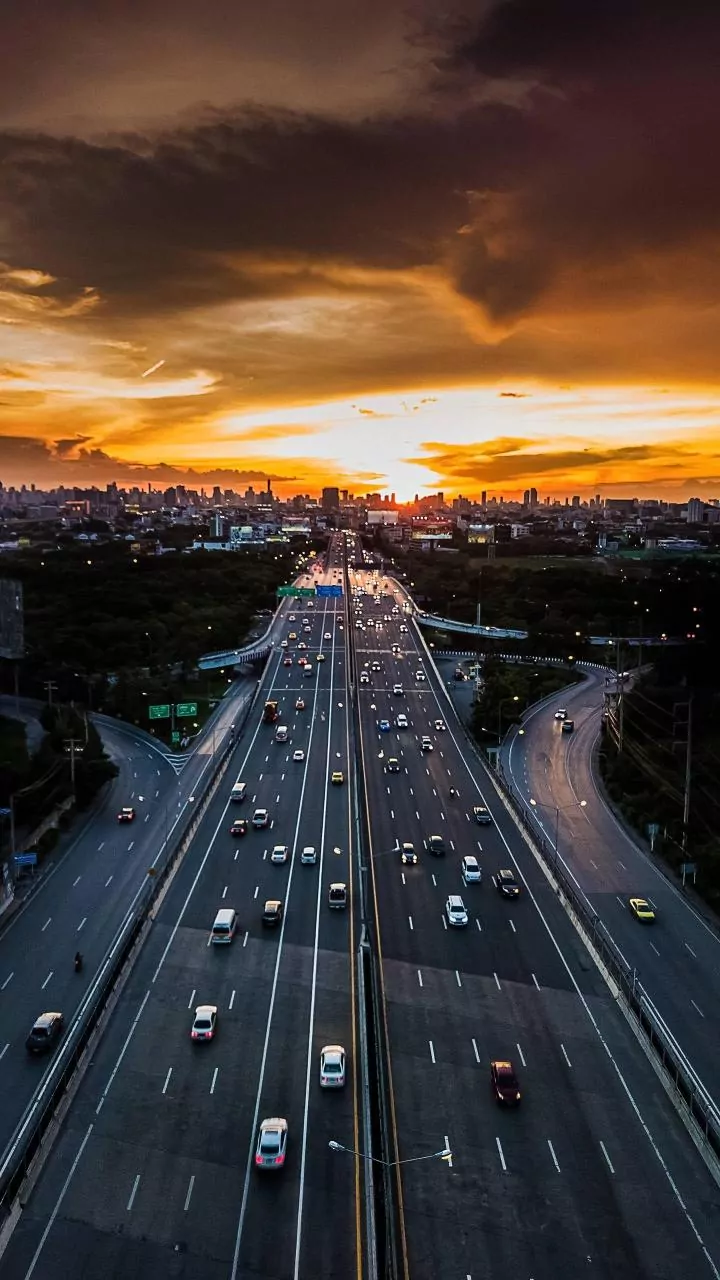
Several powerful trends are shaping this trade-off. The rise of hybrid and remote work has fundamentally altered the equation, giving many professionals the flexibility to live further from their central offices. This has legitimised suburban living in a way not seen before, fuelling demand in previously overlooked areas. Simultaneously, massive infrastructure development is playing a crucial role. New expressways, metro lines, and regional transit systems are shrinking travel times and transforming once-isolated peripheries into integrated urban districts. Corridors along the Dwarka Expressway in NCR or near the new metro lines in Bengaluru are no longer seen as future growth zones but as established residential destinations. This infrastructure boom is making peripheral locations more accessible and, therefore, more viable for a broader range of buyers.
The Rise of the 'Middle Path'
Developers are responding to this dynamic by creating a 'middle path' that attempts to offer the best of both worlds: integrated townships. These large-scale, self-sufficient communities are being developed in peripheral areas but are designed to provide all the conveniences of city life within their boundaries. They often include residential buildings alongside schools, hospitals, retail centres, and even office spaces, creating self-sustaining micro cities. This model allows residents to enjoy larger homes and more open green spaces without completely sacrificing access to essential services and amenities. Locations like Hoskote in Bengaluru and emerging corridors in the NCR are becoming hubs for such developments, offering a potential solution to the space–versus–convenience dilemma. Furthermore, the real estate growth story is expanding beyond the metros, with Tier–2 cities like Lucknow, Nagpur, and Coimbatore seeing a surge in demand and property value appreciation, often outpacing their larger counterparts.