







The Simple Habit You're Overlooking
The single most effective and easy habit to adopt this monsoon is to systematically air out your closed storage spaces. We’re talking about your wardrobes, kitchen cabinets, bookshelves, and any other enclosed area where air circulation is poor. It sounds
deceptively simple, but in the fight against monsoon dampness, ventilation is your most powerful weapon. While we focus on keeping the rain out, we often forget to let the trapped moisture out. This habit requires no special equipment and costs nothing, yet its benefits for your health and your belongings are immense. Making this a weekly, or even bi-weekly, ritual can fundamentally change your experience of the rainy season at home.
Why Trapped Moisture Is a Menace
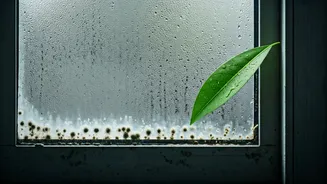
During the monsoon, the relative humidity in the air can soar to over 80-90%. This moisture gets everywhere, seeping into dark, unventilated spaces like your cupboards. This environment is the perfect breeding ground for mould and mildew. These fungi aren't just responsible for that unpleasant musty odour; they can actively damage your belongings. Clothes can develop permanent spots, leather goods like shoes and bags can be ruined, and books can warp and get covered in fungus. More importantly, mould releases microscopic spores into the air. For many people, inhaling these spores can trigger allergic reactions, including sneezing, itchy eyes, skin rashes, and a runny nose. For individuals with asthma or other respiratory conditions, mould spores can be a serious health threat, potentially leading to breathing difficulties.
How to Do It Right: A Practical Guide
Integrating this habit into your routine is straightforward. First, choose the right time. Pick a day, or even just a few hours, when it isn't actively raining and the weather is relatively dry and bright. The goal isn't to wait for a perfect summer day, but simply the driest possible moment in a given week. Open up all your wardrobe doors, drawers, and cabinets wide. If possible, create a cross-breeze by opening a nearby window and turning on a fan, pointing it towards the open cupboards to force air circulation. Let them air out for at least two to three hours. For an extra layer of protection, you can place moisture absorbents inside. Commercial silica gel packets are effective, but traditional, natural alternatives work well too. A small cloth bag filled with camphor (kapur), neem leaves, or even cloves can help absorb moisture and act as a natural pest repellent.
Beyond Odour Control: The Wider Benefits
The immediate reward for airing out your home is the disappearance of that stale, damp smell. But the long-term benefits are far more significant. You are actively preserving your belongings. Expensive silk sarees, leather jackets, important documents, and cherished books are all vulnerable to irreparable monsoon damage. A few hours of airing can save you the heartache and expense of replacing them. Furthermore, you are improving your indoor air quality. By preventing the growth of mould, you reduce the concentration of allergenic spores in your home, creating a healthier living environment for you and your family. This is particularly crucial in homes with children, the elderly, or anyone with a compromised immune system. It’s a proactive step towards preventing seasonal illnesses and allergies that often spike during the rainy months.