








The Familiar 'October Heat' Is Changing
The phenomenon known as 'October Heat' is a familiar transition between the wet monsoon and the cool winter. As the monsoon clouds retreat, clear skies allow direct sunlight to heat the land. Combined with lingering high humidity from saturated ground,
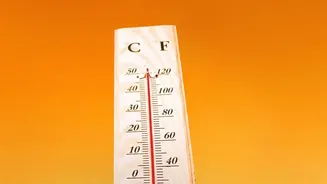
this creates an oppressive, sweaty discomfort that can often feel worse than the dry heat of summer. However, what was once a predictable, short-lived phase is now intensifying. Recent data shows October temperatures are frequently soaring several degrees above normal across many parts of India, particularly in central and western regions. For example, cities like Mumbai have recently recorded their hottest October days in years, with temperatures nearing 40°C, prompting the India Meteorological Department (IMD) to issue specific heatwave alerts.
The Urban Multiplier Effect
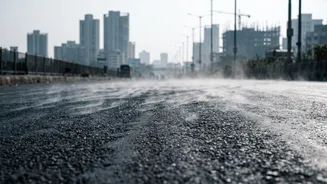
This escalating heat is felt most acutely in cities due to the Urban Heat Island (UHI) effect. Our sprawling metropolises—with their vast expanses of concrete, asphalt, and dark-coloured buildings—absorb and retain significantly more heat than the natural landscapes of surrounding rural areas. The lack of green cover and water bodies, which provide natural cooling, further compounds the problem. During the day, these surfaces bake in the sun. At night, they slowly radiate the stored heat back into the environment, preventing cities from cooling down effectively. This means urban residents experience higher temperatures for longer periods, increasing the risk of heat-related stress and illness. The dense concentration of people, vehicles, and industries all contribute to making the city a 'heat trap'.
Decoding the Official Response: Thermal Advisories
As this urban heat becomes a more significant public health threat, local authorities are being forced to act. This is where 'Urban Thermal Advisories' come in. While the name might sound technical, they are a core component of what are known as Heat Action Plans (HAPs). Pioneered in cities like Ahmedabad and now adopted by dozens of others across 23 states, HAPs are formal strategies to protect citizens during extreme heat events. These plans involve a colour-coded alert system (e.g., yellow, orange, red) to communicate the severity of the heat. Based on the alert level, authorities implement a range of measures. This can include broadcasting public health messages, setting up public cooling centres and water kiosks, adjusting work hours for outdoor labourers, and ensuring hospitals are prepared to treat heatstroke and dehydration.
Who Is Most at Risk?
Extreme heat does not affect everyone equally. The advisories and actions taken under HAPs are especially designed to protect the most vulnerable populations. This includes outdoor workers like construction labourers, street vendors, and delivery personnel who have no choice but to be exposed during the hottest parts of the day. The elderly, young children, pregnant women, and individuals with pre-existing health conditions like heart disease or respiratory problems are also at a much higher risk of suffering from heat exhaustion or heatstroke. Furthermore, residents of low-income informal settlements, often living in poorly ventilated homes made from materials like tin sheets that trap heat, face a disproportionate burden.
How to Stay Safe During a Heat Advisory
When authorities issue a heat advisory, it's a signal to take simple but effective precautions. The primary advice is to stay hydrated by drinking plenty of water, even when you don't feel thirsty. Opt for homemade drinks like lemon water or buttermilk over sugary or caffeinated beverages. It's best to avoid strenuous activity during the peak heat hours, typically between noon and 4 PM. If you must be outdoors, wear light-coloured, loose-fitting cotton clothing and use head coverings like a hat or umbrella. At home, you can keep your space cooler by using curtains to block direct sunlight during the day and opening windows at night for ventilation. Paying attention to these official alerts and following the recommended guidelines is crucial for personal safety.