





Why Protein and Healthy Fats Matter
Before we dive into the ingredients, it’s important to understand their roles. Protein is the building block for our muscles, tissues, and immune system, keeping us strong and energised. Healthy fats, particularly monounsaturated and polyunsaturated fats, are
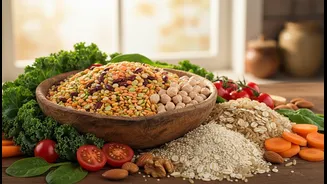
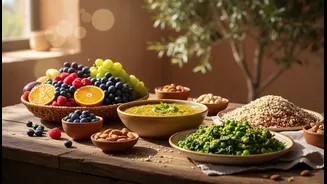
crucial for heart health, brain function, and absorbing certain vitamins. Nuts, seeds, and pulses are plant-based powerhouses that deliver both of these essential nutrients, making them perfect for enriching vegetarian and non-vegetarian diets alike. They are packed with fibre, vitamins, and minerals, making every spoonful count.
Go Nuts for Good Health
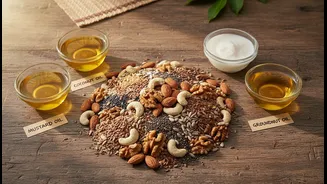
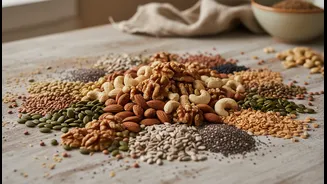
Nuts are a cornerstone of healthy snacking and cooking in India. Almonds, for instance, are packed with protein, healthy monounsaturated fats, and Vitamin E, which supports skin and heart health. Walnuts are another champion, uniquely rich in omega-3 fatty acids, which are vital for brain function and reducing inflammation. Even the humble peanut, technically a legume, is an affordable and rich source of protein. Incorporating them is simple. A handful of mixed nuts makes for a great mid-day snack. You can also make nut pastes from almonds or cashews to create creamy, rich gravies for dishes like korma or shahi paneer without relying solely on heavy cream. Garnish your biryanis, pulavs, or kheer with slivered nuts for an added crunch and nutritional boost.
The Tiny Titans: Seeds
Often overlooked, seeds are nutritional giants. Flax seeds (alsi) and chia seeds are fantastic sources of plant-based omega-3 fatty acids (ALA) and fibre. Since whole flax seeds can be hard to digest, it's best to consume them ground. You can sprinkle ground flaxseed or whole chia seeds into your chapati dough, oatmeal, or smoothies. Pumpkin seeds are another excellent choice, rich in protein, magnesium, and zinc. Similarly, sesame seeds (til) are not just for winter sweets; they provide a good amount of protein, calcium, and iron. A simple way to use them is by adding a spoonful of roasted sesame or pumpkin seeds to your salads, raita, or as part of a tadka for dals and vegetables.
The Heartbeat of the Kitchen: Pulses
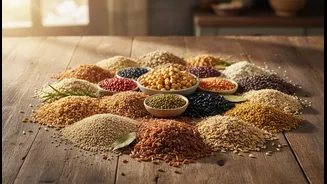
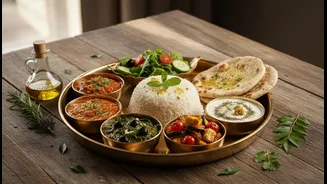
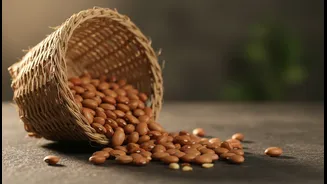
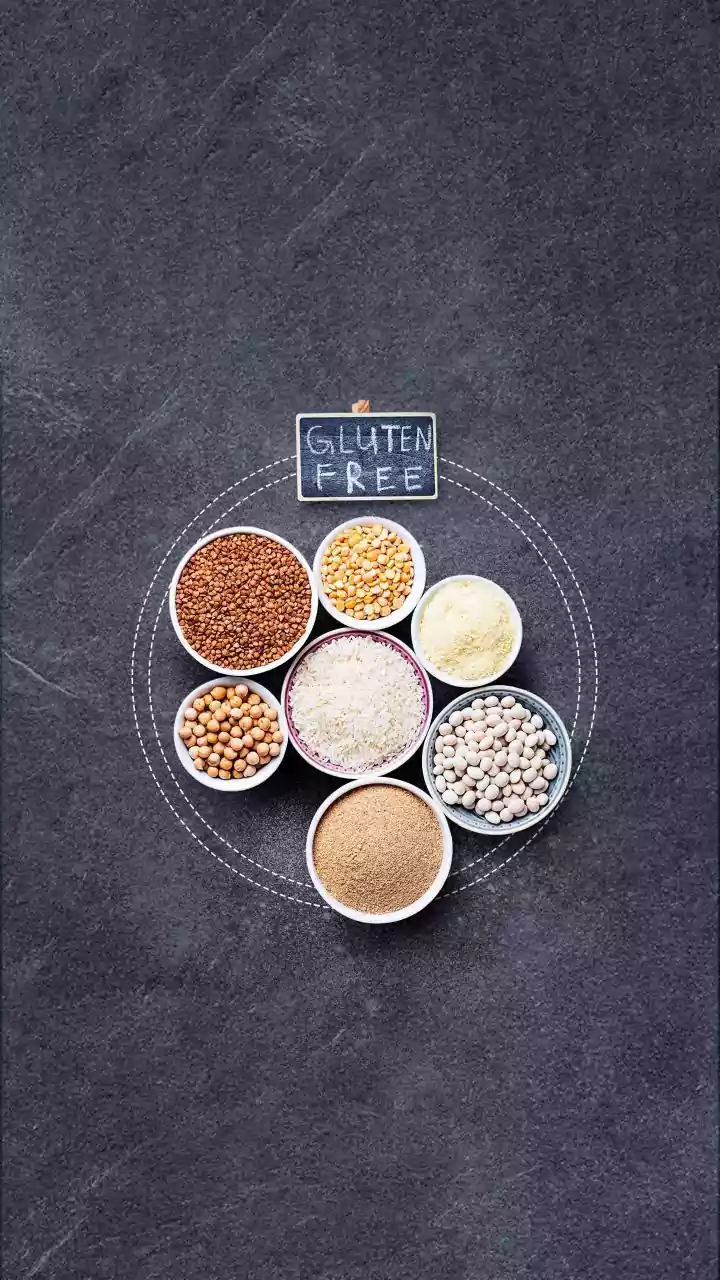
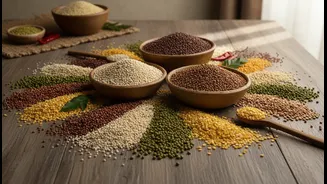
No Indian meal is complete without pulses. Dals, or lentils, are the foundation of our daily protein intake. Moong dal is light, easy to digest, and packs around 24 grams of protein per 100 grams (uncooked). Masoor dal (red lentils) cooks quickly and is another great source of protein and fibre. For a more robust protein punch, rajma (kidney beans) and chhole (chickpeas) are excellent choices. A cup of cooked chickpeas offers about 15 grams of protein, while kidney beans provide a similar amount. The key to maximising their benefit is variety and combination. A 'panchmel dal', which combines five different lentils, provides a more complete amino acid profile. Pairing any dal or pulse with rice or roti also creates a complete protein, ensuring your body gets all the essential amino acids it needs.
Easy Ways to Upgrade Your Meals
Integrating these ingredients doesn't require a complete overhaul of your cooking style. Start with small, simple additions. Blend a few soaked almonds or walnuts into your morning smoothie. Add a tablespoon of roasted and ground mixed seeds to your vegetable preparations or soups for a nutty flavour. When making dal, consider using a mix of two or three different types instead of just one. Sprouted pulses, like matki (moth beans), are even more nutritious and can be used to make delicious curries like usal. For a healthy snack, try making a multigrain sundal by boiling a mix of chickpeas, peanuts, and other beans, then tempering them with spices and fresh coconut. These simple habits can significantly boost the nutritional value of your meals without sacrificing the traditional flavours you love.