




A Perfect Recipe for Darkness
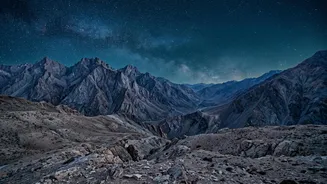
Spiti Valley's reputation as a premier stargazing destination is no accident; it is the result of a rare combination of geographical and atmospheric factors. Situated at an average altitude of over 12,500 feet, the valley lies above a significant portion
of the Earth's atmosphere, which blurs and distorts starlight at lower elevations. This high-altitude environment is also a cold desert, meaning the air is incredibly dry with low humidity. This lack of moisture leads to exceptional transparency, making the sky sharp and clear. Furthermore, its sparse population and remoteness from major urban centres mean light pollution is virtually non-existent, creating some of the darkest skies accessible in India, rated as Bortle Class 1 or 2—the darkest possible classification.
The Stargazing Capitals: Kibber, Langza, and Komic
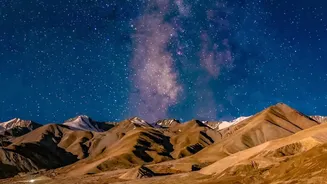
While nearly all of Spiti offers fantastic views, a few villages stand out. Langza, at an altitude of 4,400 metres, is a favourite among astrophotographers. Its wide, open horizon and an iconic Buddha statue provide a stunning foreground for capturing the Milky Way, which can be seen with the naked eye. Nearby, Kibber (4,270 metres) offers similarly pristine skies, with its high altitude and minimal atmospheric disturbance making it ideal for deep-sky observation. The village of Komic, one of the highest motorable villages in the world at 4,587 metres, provides an unparalleled sense of isolation and an unobstructed, panoramic view of the cosmos. Other notable spots include Hikkim, Chandratal Lake, and the areas surrounding Key and Dhankar Monasteries.
What You Can Actually See
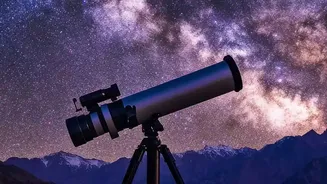
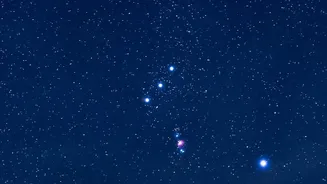
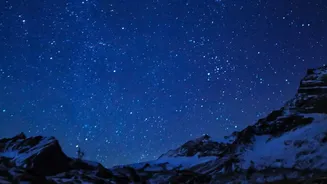
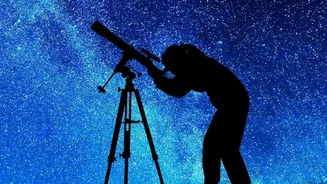
For those accustomed to urban skies, the view from Spiti is revelatory. On a clear, moonless night, the Milky Way isn't a faint, hazy band but a brilliant, structured river of light so bright it can cast a faint shadow. Thousands of stars are visible to the naked eye, along with planets, constellations, and frequent shooting stars. With a basic pair of binoculars or a small telescope, viewers can spot distant galaxies like Andromeda, which is visible without equipment in such dark conditions. The experience is immersive; the silence of the high desert combined with the sheer density of stars creates a profound connection to the universe.
Community-Led Astro-Tourism
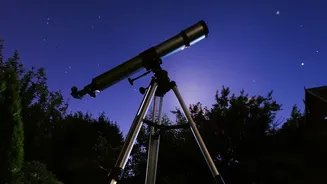
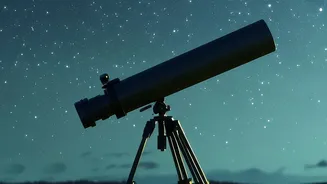
Recognizing the value of its pristine skies, the local community and Himachal Pradesh government have begun to develop sustainable astro-tourism. In Kaza, the valley's main town, a community-run stargazing facility was launched to train local youth as astronomy guides. Equipped with powerful telescopes, these guides lead night-sky sessions for tourists, explaining the cosmos while creating a new source of livelihood that is tied to preserving the region's natural darkness. Many homestays in villages like Langza and Kibber now cater to stargazers, offering a chance to step right from your room into a natural observatory. This approach not only enhances the visitor experience but also empowers the local economy.
Planning Your Celestial Escape
Timing is crucial for a successful stargazing trip to Spiti. The best months are generally from May to October, when the weather is milder and roads are open. For the brightest view of the Milky Way's core, plan your visit between April and September. Most importantly, schedule your trip around the new moon phase. A full moon is like a natural floodlight that can wash out all but the brightest stars. Acclimatisation to the high altitude is essential, so plan to spend a few days in Kaza (around 3,800 metres) before heading to higher villages like Langza or Komic. Pack multiple layers of warm clothing, as night temperatures can drop below freezing even in summer.