






The Silent Crisis of Hidden Hunger
Malnutrition in India is a complex issue. Beyond the visible signs of hunger, a silent crisis known as 'hidden hunger' persists. This refers to the deficiency of essential micronutrients like iron, iodine, and vitamins in a person's diet. According to national
surveys, a staggering number of people are affected. For instance, over half of women aged 15-49 are anaemic, largely due to iron deficiency. Widespread deficiencies in Vitamin A, Vitamin D, and iodine also pose a significant public health challenge. These are not just statistics; they represent compromised immune systems, impaired cognitive development in children, reduced productivity in adults, and a lower quality of life for millions across the nation. The entire population of India is considered prone to iodine deficiency disorders (IDD) simply because the soil itself lacks sufficient iodine.
A Simple, Powerful Solution: Fortification
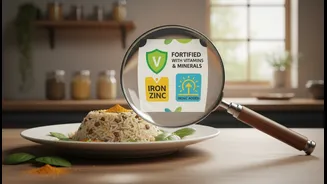
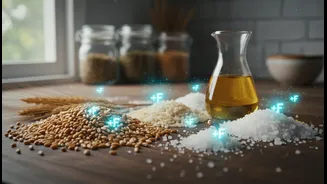
Food fortification is the process of adding essential vitamins and minerals to staple foods to enhance their nutritional value. It's a scientifically proven and cost-effective strategy to combat micronutrient deficiencies on a large scale. In India, the Food Safety and Standards Authority of India (FSSAI) has been leading this charge. You might have seen the blue '+F' logo on packages of salt, milk, edible oil, wheat flour, and rice. This simple logo is your guide to identifying foods that have been fortified with nutrients like iron, folic acid, vitamin B12, vitamin A, and vitamin D. The beauty of this approach is that it doesn't require people to change their eating habits. By improving the nutritional quality of foods people already consume daily, fortification delivers vital nutrients to a broad section of the population, including the most vulnerable.
The Challenge: When Misinformation Spreads
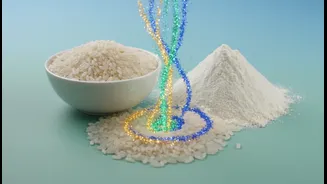
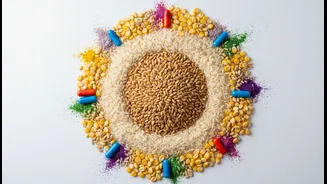
Despite its proven benefits, food fortification programs can be derailed by a lack of public trust and the spread of misinformation. A prominent example is the circulation of misleading videos and social media posts claiming that fortified rice, supplied through the public distribution system, is actually 'plastic rice'. These rumours can cause panic and lead people to reject a vital nutritional intervention. Officials have had to repeatedly issue clarifications, explaining that fortified rice kernels are made from rice powder mixed with micronutrients like iron and folic acid, then shaped to look like rice grains. This highlights a crucial point: the scientific soundness of a public health program is not enough. Without a proactive and transparent communication strategy, fear and suspicion can quickly fill the information void, undermining years of progress.
Why Safe Communication is the Key Ingredient
Effective public health communication is not just about broadcasting facts; it's about building trust. For food fortification to succeed, people need to understand what it is, why it's necessary, and that it's safe. 'Safe communication' involves several key elements. It means being transparent about the process and the nutrients being added. It requires using simple, clear language that avoids technical jargon, and tailoring messages to resonate with different communities. Most importantly, it involves listening to and addressing public concerns head-on, rather than dismissing them. By partnering with community leaders and using multiple channels—from social media to local health workers—health authorities can ensure their message is heard and, crucially, believed.
Lessons from India’s Public Health Journey
India has a powerful success story in public health communication: the universal salt iodisation program. Launched in response to widespread iodine deficiency disorders like goitre and preventable brain damage, the campaign to promote iodized salt has been a phenomenal success. Over decades, a combination of political will, industry partnership, and public awareness campaigns has resulted in over 90% of Indian households consuming iodized salt. This journey provides a valuable blueprint for current and future fortification efforts, like the push for fortified rice. The lesson is clear: sustained, multi-faceted communication that explains the benefits—such as preventing brain damage in children—is essential for public acceptance and long-term success.