






India's space sector is no longer just the domain of ISRO. A booming private industry is creating a universe of opportunities for young professionals. Here’s your guide to finding a career in this final frontier of innovation and growth.
A Universe of Opportunity
For decades, a career
in India's space sector meant one thing: securing a coveted position at the Indian Space Research Organisation (ISRO). Today, the landscape is transforming at light speed. Following landmark policy reforms in 2020, the government opened the doors to private enterprise, sparking a revolution. The Indian space economy, currently valued at around $9 billion, is projected to surge to over $40 billion within the next decade. This explosive growth is powered by a dynamic ecosystem of over 400 startups, an influx of private investment, and a clear vision to make India a global space hub. For young professionals, this translates into a galaxy of new and exciting career paths that extend far beyond traditional rocketry.
Beyond the Rocket Scientist: In-Demand Roles
The modern space industry is a multidisciplinary field. While aerospace engineers remain crucial, the fastest-growing opportunities are diverse and varied. Satellite Data Analysts are needed to interpret the vast amounts of information beamed down from orbit for use in agriculture, urban planning, and climate monitoring. Aerospace Software Engineers design the complex flight software and autonomous systems that are the brains of any mission. Other critical roles include Mission Operations Specialists who manage satellites, Space Robotics Engineers, and even experts in Space Law and Policy to navigate the regulatory cosmos. The industry needs systems thinkers, problem-solvers, and innovators from various backgrounds.
The Private Sector Power Players
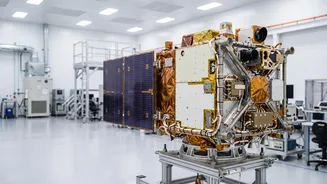
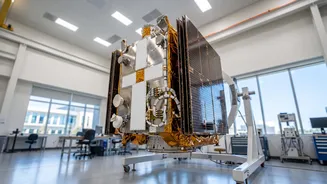
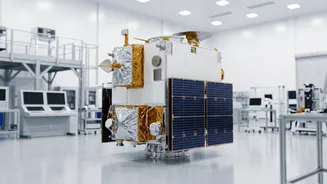
The new stars of India's space scene are private companies. Startups like Skyroot Aerospace, which launched India's first private rocket, and Agnikul Cosmos, known for its 3D-printed engines, are leading the charge in building launch vehicles. In the satellite domain, companies like Pixxel are developing constellations for earth observation, while Dhruva Space focuses on satellite manufacturing and deployment services. These firms, along with many others, are actively hiring and offer a fast-paced environment where ambitious professionals can make a significant impact. The government is actively nurturing this ecosystem through IN-SPACe (Indian National Space Promotion and Authorisation Centre), a single-window agency to promote and authorise private space activities.
Skills That Will Launch Your Career
To secure a position in this competitive field, a strong foundation in STEM is essential. Core engineering disciplines—mechanical, electronics, and computer science—are highly valued. Proficiency in programming languages like Python and C++, along with experience in software like MATLAB and CAD, will give you a significant edge. However, technical skills are only part of the equation. The industry seeks individuals with strong analytical abilities, a passion for innovation, and the capacity for complex problem-solving. Equally important are soft skills like teamwork and clear communication, as space missions are massive collaborative efforts.
Your Launchpad: Education and Networking
A bachelor's or master's degree in an engineering discipline is the most common entry point. Prestigious institutions like the IITs and the Indian Institute of Space Science and Technology (IIST) offer specialized programs. Beyond formal education, hands-on experience is key. Look for internships at companies and organizations like the Indian Space Association (ISpA), which offers programs for graduates. Participating in university projects like CubeSat development or competitions can make your resume stand out. Networking is also crucial. Attend industry conferences, connect with professionals on platforms like LinkedIn, and follow the work of ISRO's commercial arm, NewSpace India Limited (NSIL), to stay informed about opportunities for technology transfer and commercial projects.