




The Fermented Tea Phenomenon
First, for the uninitiated: what exactly is kombucha? At its core, it's a fermented tea. The process starts with sweetened black or green tea, to which a SCOBY (Symbiotic Culture of Bacteria and Yeast) is added. This gelatinous, pancake-like disc is the 'mother'
culture that works its magic over a week or two, consuming most of the sugar and caffeine. The result is a slightly sweet, slightly tart, naturally carbonated beverage packed with probiotics, antioxidants, and organic acids. While the concept has ancient roots, its modern incarnation as a sophisticated, bottled health drink is a relatively new phenomenon, especially in India.
A Symphony of Sophisticated Flavours
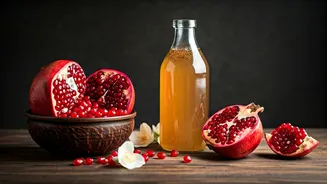
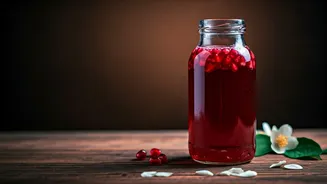
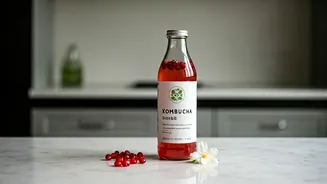
The days of basic ginger or lemon kombucha are long gone. The current wave is all about complex, artisanal flavour profiles that appeal to a discerning palate. Think less 'health tonic' and more 'gourmet beverage'. The combination of pomegranate and jasmine is a perfect example of this shift. Pomegranate offers a deep, tart fruitiness, while jasmine provides a delicate, floral aroma. Together, they create a drink that feels luxurious and refreshing. Brands across India are experimenting with local and exotic ingredients, from hibiscus and blue pea flower to mango and chilli, transforming kombucha from a niche health product into a genuine alternative to craft sodas, mocktails, and even alcoholic beverages.
The Zero-Sugar Revolution
A key driver of this trend is the 'zero sugar' promise. As urban Indians become increasingly health-conscious, the war on sugar has intensified. Consumers are actively reading labels and rejecting sugary sodas and juices that once dominated the cold beverage market. Kombucha, particularly variants that are fermented longer to eliminate almost all residual sugar, fits perfectly into this new paradigm. It offers the satisfaction of a fizzy, flavourful drink without the guilt or the sugar crash. This makes it an ideal choice for the post-workout refresh, the mid-afternoon slump, or as a healthy mixer for an evening drink. It’s a permissible indulgence that aligns with modern wellness goals like clean eating and gut health.
More Than a Drink, It's a Lifestyle
To say kombucha 'rules' urban kitchens is to acknowledge its role beyond simple refreshment. It has become a cultural signifier. Carrying a bottle of artisanal kombucha is a statement. It says you are health-conscious, in-the-know, and have a taste for premium, thoughtfully made products. In a post-pandemic world where immunity and well-being are top priorities, a probiotic-rich drink holds immense appeal. It's an Instagram-friendly product, with its beautiful colours, elegant bottling, and association with a clean, aspirational lifestyle. For many, it has replaced the morning coffee or the evening glass of wine as a daily ritual.
The Rise of the Home Brewer
Alongside the boom in commercial brands, a vibrant community of home brewers has emerged. Fuelled by DIY culture and a desire for customization, thousands are now brewing their own kombucha at home. Online forums, WhatsApp groups, and Instagram communities are buzzing with people sharing SCOBYs, swapping flavouring tips, and troubleshooting their brews. This hands-on approach allows for complete control over sugar levels and ingredients, making it even more personal. The process itself is seen as a mindful hobby, a small science experiment in the kitchen that yields a delicious, healthy reward. It’s a testament to how deeply the kombucha culture is embedding itself into the fabric of modern Indian life, moving from a store-bought curiosity to a homemade staple.