





The Comfort of Consistency
We live in an age of relentless novelty. Every week, a new superfood or a novel brewing technique captures the collective imagination, promising wellness, aesthetic pleasure, or a fleeting sense of being 'in the know'. We’ve seen it all: Dalgona coffee’s
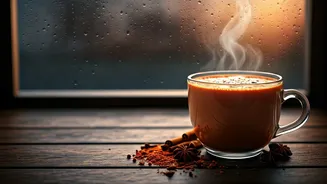
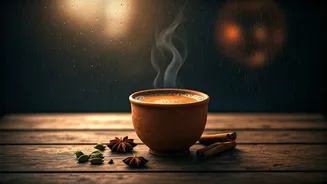
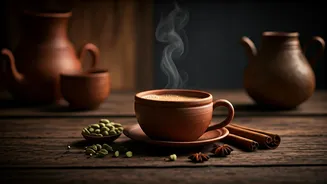
frothy rise and fall during lockdown, the ubiquity of turmeric lattes (a concept amusingly familiar to anyone with an Indian grandmother), and the rainbow-hued invasion of boba teas. Each trend arrives with a flurry of Instagram posts and think pieces, only to be replaced by the next big thing. Amidst this chaotic cycle, chai remains a constant. It isn’t a trend; it’s an institution. Its appeal isn’t based on novelty but on a deep, ingrained comfort. The act of making chai is a ritual, a form of muscle memory for millions. It’s the sound of ginger being crushed, the clinking of a steel pot, the fragrant bloom of spices hitting hot water. This process is a daily anchor, a predictable and reassuring start or end to the day that no algorithm-driven trend can replicate.
A Symphony in a Cup
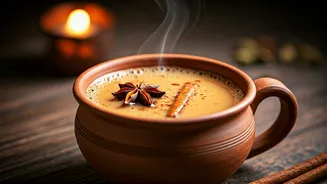
Let’s talk about taste. Many trendy drinks are built around a single, dominant flavour. They are often overwhelmingly sweet or feature one star ingredient. Chai, on the other hand, is a complex symphony. It’s a delicate balance of strong black tea, creamy milk, sugar, and a vibrant blend of spices—cardamom’s floral notes, ginger’s sharp heat, cinnamon’s warmth, a hint of clove or black pepper. More importantly, chai is personal. It adapts to you. A little more ginger on a cold morning? Extra cardamom for a touch of luxury? A stronger brew to fight off afternoon sleepiness? Your perfect cup of chai is a reflection of your mood, the weather, and your personal history. It’s a dialogue, not a monologue. Trendy beverages are pre-packaged experiences, designed for mass appeal. Chai is a bespoke creation, perfected over generations and customised in your kitchen every single day.
The Ultimate Social Network
Before we had social media, we had chai. It is the great Indian connector. It fuels conversations in university canteens, seals deals in corporate offices, and punctuates gossip sessions in neighbourhood kitty parties. The question “Chai piyoge?” (Will you have some chai?) is not just an offer of a beverage; it’s an invitation to connect, to pause, to share a moment. The humble chaiwala’s stall is a microcosm of society, a place where people from all walks of life gather. From labourers to executives, everyone is equal in their pursuit of that perfect cutting chai. Can a takeaway cup of a complicated, expensive latte serve the same purpose? Trendy drinks are often consumed in isolation, becoming props for a social media post rather than the catalyst for a real-world connection. Chai builds bridges; it doesn’t just collect likes.
More Than Just a Drink
Ultimately, the reason chai endures is because it’s more than just a drink. It’s a feeling. It’s the taste of home. It’s the comfort of a mother’s care when you’re sick. It’s the warmth of a blanket on a rainy day. It’s the energy boost during late-night study sessions. Chai is woven into the very fabric of our lives, associated with memories, emotions, and relationships. No fleeting trend, no matter how photogenic or cleverly marketed, can compete with that deep-seated cultural and emotional resonance. The blue latte may look good on your feed, but it doesn't soothe your soul after a long, hard day. The latest boba creation might be fun for an afternoon, but it won’t be the first thing you crave when you step off a long flight back home.