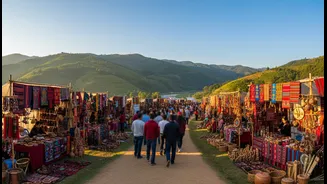









A Festival to Showcase Diversity
Dima Hasao, Assam's sole hill station, is home to a rich tapestry of indigenous communities, most notably the Dimasa people. To celebrate and promote this diversity, the Dima Hasao Autonomous Council (DHAC) has launched the Dima Hasao Ethnic Fest, a month-long
event spanning July 2026. Held across scenic locations like Haflong Lake and Jatinga, the festival is a vibrant showcase of traditional music, dance, cuisine, and handicrafts. This event, along with others like the Judima Festival (celebrating the traditional Dimasa rice wine), aims to establish the district as a major cultural and eco-tourism destination. The goal is to provide a platform for local artisans, self-help groups, and entrepreneurs to market their skills and products, turning cultural heritage into economic opportunity.
The Double-Edged Sword of Tourism
For years, Dima Hasao remained on the economic margins, partly due to its remote location and a history of militancy. However, a period of peace combined with significant infrastructure upgrades—like the broad-gauge railway and new highways—has dramatically improved connectivity. This has unlocked the region's immense tourism potential, drawing travellers to its pristine landscapes and unique culture. Festivals are a key driver of this influx, bringing in visitors from across Assam and the rest of India. This tourism boom provides a vital source of income and employment for a district with high youth unemployment. The rise of homestays and local businesses catering to tourists shows a clear economic benefit, transforming the region from a conflict-affected area into a promising tourism hotspot.
The Crowd Management Conundrum
The rapid growth in tourism brings significant challenges, chief among them being crowd management. While new highways connect major towns, many interior roads leading to specific attractions remain unpaved and vulnerable to monsoonal washouts. The district's infrastructure, including accommodation and emergency services, is still developing and can be strained by a large influx of visitors. An incident at the Falcon Festival in Umrangso highlighted this issue, where a large, ticketless crowd tried to force its way into the venue, compelling organizers to open the gates to avoid escalation. Managing a large tourist footprint in a vulnerable mountain ecosystem requires careful planning to prevent strain on local resources like water and waste management, which can become scarce during peak tourist seasons. The success of festivals depends not just on their cultural appeal but on the logistical capacity to host visitors safely and sustainably.
Preserving Culture Amidst Popularity
As festivals grow in popularity, so does the risk of cultural dilution. The primary goal of these events is to preserve and promote indigenous traditions, but the commercial pressures of tourism can pose a threat. Organizers and community leaders are acutely aware of this. The Dima Hasao Ethnic Fest is explicitly designed to encourage community participation and ensure the traditions on display remain authentic. Efforts are underway to formally safeguard the region's heritage. The recent inauguration of a cultural centre in Maibang is a key step, providing a dedicated space to teach traditional Dimasa arts, music, and folklore to younger generations. Furthermore, the Assam government is seeking UNESCO recognition for the ancient monolithic jars of Dima Hasao, a move that would bring global attention and add another layer of protection to the district's historical legacy. The success of Judima rice wine, which received a Geographical Indication (GI) tag in 2021, shows how traditional products can gain protection and commercial value without losing their cultural roots.