



The End of 'Checklist' Travel
For decades, the mark of a well-travelled person was a mental (or physical) checklist of global landmarks. The Colosseum in Rome, the Taj Mahal in Agra, the Great Wall of China — these were the non-negotiable trophies of tourism. The goal was to see,
to photograph, and to move on. But a quiet revolution is underway. Travellers, particularly millennials and Gen Z, are growing weary of 'Instagram-famous' spots overrun with crowds. The feeling of being herded through a pre-packaged experience has lost its appeal. This isn't to say that iconic landmarks are irrelevant, but they are no longer the entire story. The focus is shifting from the destination to the experience, from the postcard shot to the personal story.
The Search for Authenticity
So, what replaced the checklist? A deep, almost urgent, search for authenticity. In a world saturated with digital filters and curated online personas, there is a growing hunger for something real. This translates into a desire for travel that feels genuine and unscripted. It means wanting to understand a place, not just see it. This psychological shift is driven by a desire for connection — connection to a different culture, to local people, and even to a different version of oneself. It's the difference between eating at a global chain restaurant in a foreign city and taking a cooking class with a local family. The former is convenient; the latter is a memory, a skill, and a story all in one.
How 'Local' Became a Status Symbol
Here's where the 'flex' comes in. The new status symbol isn't about flaunting wealth in the traditional sense, like staying at the most expensive hotel. Instead, it's about showcasing cultural capital. Sharing a photo from a block-printing workshop in a small Jaipur village or a video of you learning to make appams in a Keralan homestay signals something more sophisticated than money: it signals curiosity, effort, and taste. It says, “I didn't just visit; I participated. I went off the beaten path.” On social media, this translates into a powerful narrative. A unique, hard-to-replicate local experience garners more social currency than the same old picture of a sunset in Goa that a million others have posted. It's a subtle but powerful way of demonstrating that you are an interesting person who seeks out meaningful experiences.
What the Local Flex Looks Like in India
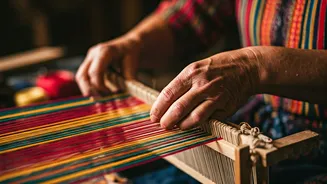
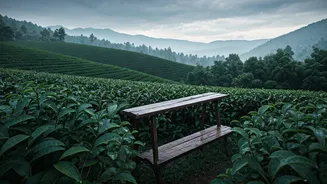
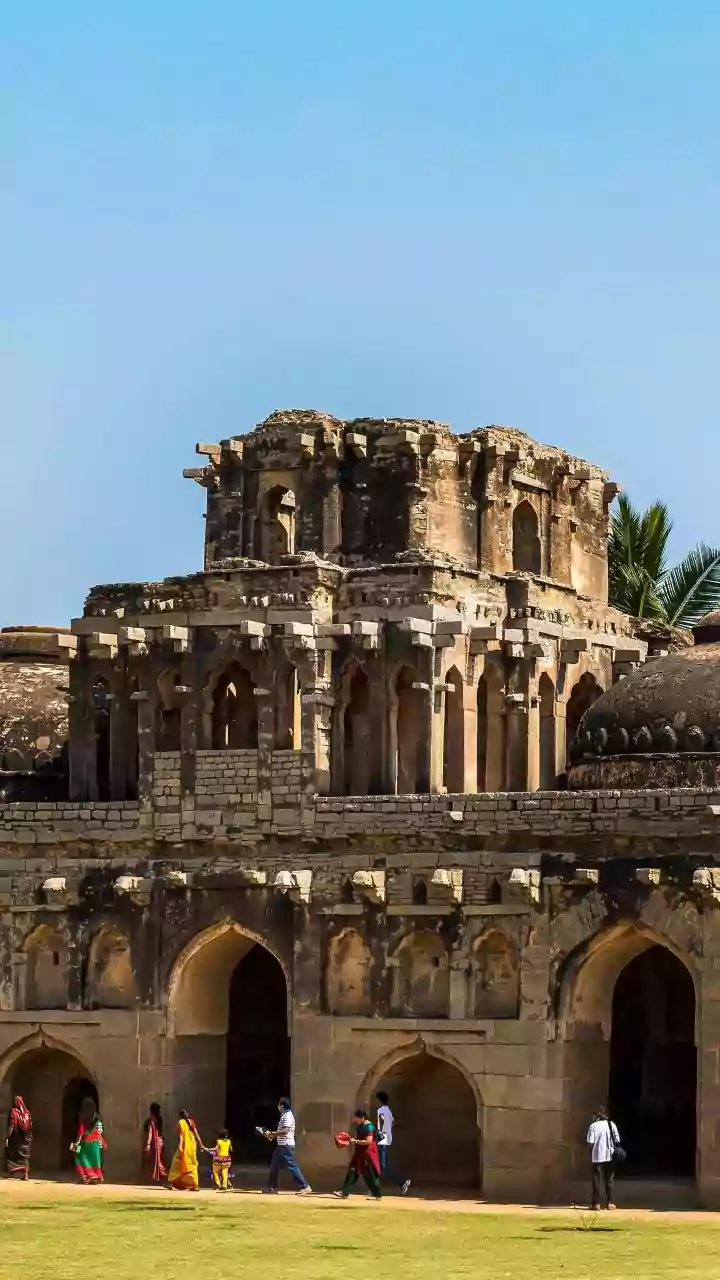
This trend is thriving across India. Instead of just booking a resort in the hills, travellers are seeking out guided foraging walks in the forests of Uttarakhand. Rather than a quick trip to Hampi's ruins, they're staying for a week to learn the basics of bouldering from a local climbing community. In cities like Mumbai and Delhi, culinary tours are moving beyond fancy restaurants to explore the hidden street food gems and hole-in-the-wall eateries that only locals know about. From learning traditional Madhubani art from artisans in Bihar to joining a coffee-plucking and brewing tour on a Coorg plantation, the opportunities are endless. The flex is about participation and skill-building, whether it's pottery, cooking, farming, or learning a craft.
A More Meaningful Way to Travel
While this trend may be amplified by social media, its impact is overwhelmingly positive. This shift towards experiential travel helps combat overtourism by distributing visitors away from congested hotspots. It directs tourist spending into the hands of small-scale entrepreneurs, artisans, and local guides, supporting communities directly. More importantly, it fosters a deeper and more respectful form of tourism. When you spend an afternoon learning a craft from someone, you're not just a consumer; you're a student. You leave with a souvenir, but you also leave with a story, a connection, and a genuine appreciation for the culture you visited. It transforms travel from a passive act of consumption into an active process of discovery.