




The Dream vs. The Downpour
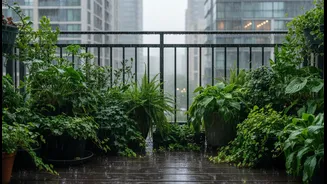
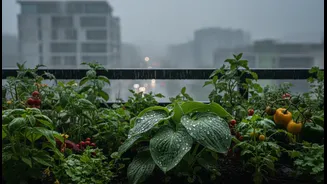
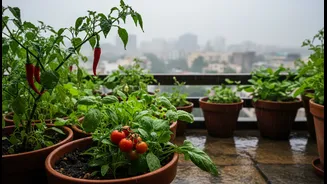
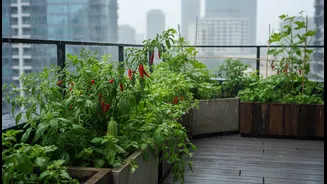
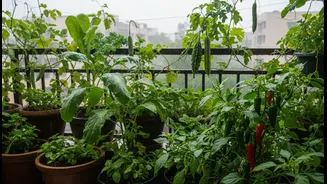
The fantasy is a self-watering paradise where vibrant greens and colorful flowers flourish with minimal effort. The reality of monsoon gardening, especially on a compact urban balcony, involves a delicate balance. High humidity, heavy rains, and reduced
sunlight can create a perfect storm for problems like root rot, fungal diseases, and pest infestations. Understanding these common pitfalls is the first step. The goal isn't to discourage, but to equip. With the right knowledge, you can work with the season, not against it, turning your small space into a productive and beautiful oasis.
Choosing Your Monsoon Champions
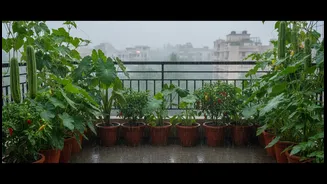
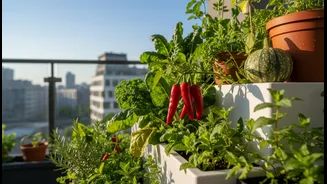
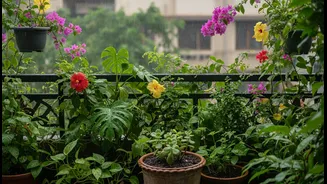
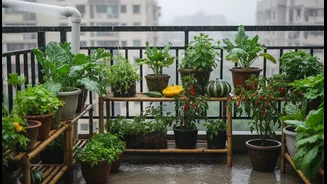
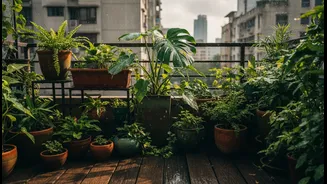
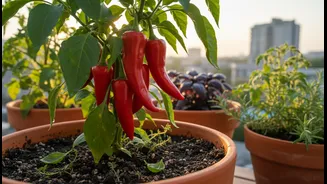
Not all plants enjoy a daily drenching. Opt for species that are well-suited to India's warm, humid monsoon conditions. Herbs like tulsi, mint, and lemongrass thrive in these months. For vegetables, consider fast-growing options like amaranth (chauli), yardlong beans (lobia), and gourds if you have space for a trellis. Flowering plants such as hibiscus, marigolds, periwinkle, and balsam are hardy choices that add a splash of colour and can withstand heavy showers. Succulents and other sensitive plants should be moved to a sheltered spot to protect them from excessive rain. Always consider your balcony's specific access to sunlight—an east-facing spot with gentle morning sun is different from a north-facing one with only indirect light.
The Fine Art of Watering
The biggest mistake in monsoon gardening is assuming the rain is doing all the work for you. Pots under a deep overhang may stay surprisingly dry, while those exposed to the elements can quickly become waterlogged. Before watering, always check the soil by inserting a finger an inch or two deep; if it feels damp, leave it alone. Proper drainage is non-negotiable. Ensure every pot has clear drainage holes. Elevating pots on stands or bricks allows excess water to escape and air to circulate, which is crucial for preventing root rot. If you use saucers, be sure to empty them regularly to prevent pots from sitting in stagnant water.
Winning the War on Pests
Humidity and moisture make the monsoon a prime season for pests like aphids, mealybugs, slugs, and snails, as well as fungal infections like powdery mildew. Regular inspection is your best defence. Check the undersides of leaves and the soil for any unwanted visitors. To keep them at bay organically, a simple spray made of diluted neem oil and a bit of liquid soap is highly effective and widely used in Indian home gardens. This mixture disrupts the life cycle of many common pests without harming beneficial insects. For slugs and snails, sprinkling used coffee grounds or wood ash around the base of plants can create a barrier they won't cross. Good air circulation between plants is also key to preventing fungal growth.
Gardening for the Renter
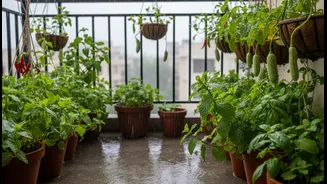
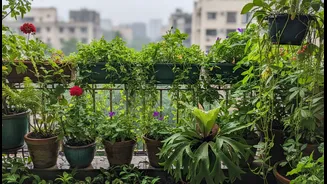
Renters face the unique challenge of creating a garden without making permanent changes. Containers are your best friend. Lightweight plastic, composite, or fabric grow bags are easier to move than heavy terracotta or ceramic pots. Maximise your limited footprint by thinking vertically. Railing planters use zero floor space, while tiered stands, wall-mounted shelves, and hanging baskets can multiply your growing area. These solutions allow you to cultivate a significant number of plants—from herbs to flowers—without cluttering your balcony, and you can take them all with you when you move.