






A Shift from Solo Act to Symphony
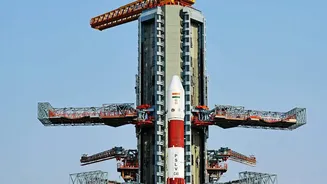
For decades, the Indian Space Research Organisation (ISRO) was the primary, almost sole, architect of India's space ambitions. From launching the first satellite, Aryabhata, to the celebrated Chandrayaan and Mars Orbiter missions, ISRO has been a symbol
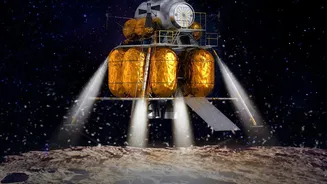
of national pride and self-reliance. However, the landscape is undergoing a monumental shift. The central government's policy reforms, particularly since 2020, have opened the floodgates for private participation. The goal is to move from an ISRO-dominated model to a broader, more collaborative ecosystem. The establishment of the Indian National Space Promotion and Authorisation Centre (IN-SPACe) is central to this vision. IN-SPACe acts as a facilitator and regulator, creating an interface between ISRO and private players, giving them access to state-of-the-art facilities and support. This has allowed ISRO to focus more on its core functions: advanced research, deep-space exploration, and national security.
The Rise of Private Ambition
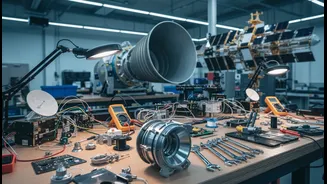
The policy shift has catalyzed a startup boom. From just a handful a decade ago, India now boasts over 400 space startups. These companies are not just supplying components anymore; they are building their own rockets, designing satellite constellations, and offering innovative space-based services. Companies like Skyroot Aerospace and AgniKul Cosmos are at the forefront of developing private launch vehicles, a domain once exclusive to national agencies. Skyroot's Vikram-1 rocket, for example, marks a major milestone as the country's first privately developed orbital-class rocket. Others, like Pixxel, are deploying constellations of hyperspectral satellites to provide real-time data for agriculture, climate monitoring, and urban planning. This surge in private enterprise has attracted significant investment, with projections showing India’s space economy growing from around $8.4 billion to $44 billion by 2033.
Space Tech on the Ground
The most significant change is how space technology is being integrated into daily life. The new space map is less about celestial bodies and more about earthly benefits. Satellite data is now a critical tool for a wide range of applications. In agriculture, it helps in crop forecasting and assessing soil health. For disaster management, satellites provide invaluable data for early warnings and assessing damage from floods and cyclones. Urban planners use high-resolution imagery to manage city growth, while the banking and finance sectors rely on satellite communication for secure networks. India's own navigation system, IRNSS (NavIC), provides crucial positioning services for transport, fleet management, and even integration with mobile phones. This 'downstream' application of space technology is where the most immediate and widespread economic and social impact is being felt.
Building a New Economic Engine
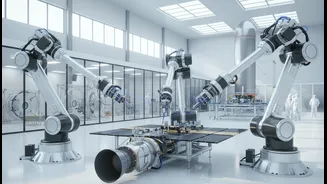
This diversification is creating a powerful new engine for economic growth. The Indian Space Policy 2023 clearly outlines a vision for a market-oriented approach, encouraging commercialization and entrepreneurship. By nurturing startups and allowing 100% Foreign Direct Investment (FDI) in certain areas like satellite manufacturing, the government aims to capture a larger share of the global space economy, which is projected to surpass a trillion dollars. This isn't just about big business; it's about creating high-value jobs. The expanding ecosystem requires a skilled workforce in aerospace engineering, robotics, data science, and materials engineering, opening up new career paths for young Indians. To fuel this, initiatives are underway to establish space laboratories in universities and offer specialised training programs, ensuring a steady pipeline of talent.