






Beyond the Checklist Itinerary
Modern travel can sometimes feel like a race to accumulate experiences—a frantic dash from one viewpoint to the next, with a camera roll full of photos that look suspiciously like everyone else’s. This checklist approach, while efficient, often leaves
us with a shallow understanding of the places we visit. We see the sights, but do we feel the destination? This is where food comes in. A culinary trail isn’t just about eating; it’s an invitation to slow down and engage with a culture on its own terms. It shifts the focus from 'what to see' to 'what to experience', turning a passive holiday into an active, sensory adventure. It offers an antidote to the generic, providing a pathway to authenticity that a tour bus simply can’t access.
A Taste of History and Place
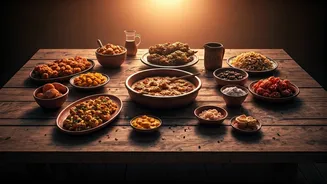
Every dish tells a story. The fiery curries of Chettinad in Tamil Nadu speak of maritime trade routes and the fragrant spices that travelled across oceans. The complex, multi-course Wazwan feast in Kashmir is a living testament to centuries of Persian cultural influence, a culinary tradition passed down through generations. When you follow a food trail, you are quite literally tasting history. The ingredients reveal the geography—coconuts and seafood on the coast, millets and lentils in arid regions. The cooking techniques unveil a community’s heritage, resourcefulness, and deepest-held values. A simple meal can become a lesson in economics, agriculture, and migration, making history feel immediate and personal. It’s a far more immersive experience than reading a plaque at a museum.
The Language of Connection
Food is a universal language, and sharing a meal is one of the oldest forms of human connection. Stepping off the beaten path to find a local eatery, a bustling street food vendor, or a family-run dhaba opens doors that remain closed to the average tourist. It creates opportunities for genuine interaction. You might get a proud smile from a vendor in Old Delhi as you savour their chole bhature, or a shared laugh with a family in a Goan homestay over a plate of fish curry rice. These small moments are what transform a trip from a pleasant getaway into a collection of cherished memories. Asking for a recipe or complementing the chef isn't just polite; it's a bridge between cultures, acknowledging the skill and love that goes into preparing traditional food.
How to Create Your Own Food Trail
You don't need a formal tour to embark on a culinary journey. The best food trails are often self-made. Start by doing a little research on the signature dishes of the region you're visiting. Upon arrival, talk to people—your taxi driver, the hotel receptionist, a local shopkeeper. Ask them where they go for their favourite meal. Be curious and be brave. Wander through a local market to see the fresh produce and feel the daily rhythm of the place. Sign up for a cooking class to get a hands-on lesson in the local cuisine. The goal is not to have a rigid plan, but to follow your appetite and curiosity. Let one good meal lead you to the next, creating a trail of delicious discoveries.
Inspiration for Your Next Journey
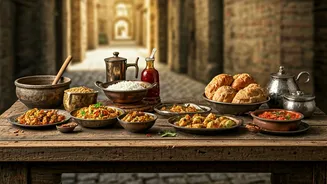
India offers an incredible diversity of culinary landscapes to explore. Imagine tracing the spice trade in Kerala, sampling everything from appams to seafood curries infused with fresh black pepper and cardamom. Picture a journey through Rajasthan, discovering the secrets of robust desert cooking with dishes like dal baati churma and laal maas. Or consider the rich vegetarian thalis of Gujarat, a perfect balance of sweet, sour, and spicy flavours. Even a city break can become a food trail, whether you're navigating the kebab galis of Lucknow or the breakfast joints of Bengaluru. Each region offers a unique palate and a distinct story, waiting to be savoured.