







Beyond Just Carrying an Umbrella
Remember when checking the weather meant a quick glance at the morning news to see if you needed a jacket or an umbrella? That era is quickly fading. Today, we've moved from basic, reactive weather awareness to proactive, detailed lifestyle management.
Thanks to the power of advanced forecasting technology and the smartphone in your pocket, weather information is no longer just about avoiding a downpour. It’s about leveraging data on humidity, UV index, wind speed, and air quality to optimise our entire day. This shift is powered by remarkable improvements in forecasting accuracy, with technologies like AI, machine learning, and enhanced satellite data providing hyper-local predictions that were once unthinkable.
The Social Calendar Forecaster
Planning a weekend picnic, a terrace party, or an outdoor wedding has always been a gamble with the weather. But now, event planners and individuals alike are using detailed forecasts to make smarter decisions. Instead of just a simple 'rain or shine' prediction, apps can provide minute-by-minute precipitation forecasts, telling you if a drizzle is expected to start at 2 PM and end by 2:30 PM. This level of detail allows for precise scheduling, contingency planning, and clear communication with guests. For large-scale events like festivals or outdoor markets, real-time data can guide logistical decisions on everything from vendor deliveries to emergency preparedness, turning a potential weather disaster into a manageable inconvenience.
A Personal Health and Wellness Barometer
For many, weather is not just a matter of comfort but of health. Fluctuating weather patterns can have a significant impact, especially in a country with diverse climates like India. Sudden shifts in temperature and humidity can weaken the immune system and trigger respiratory infections. People with chronic conditions like asthma, arthritis, or migraines are increasingly using weather apps to monitor conditions that can trigger their symptoms, such as pollen counts, air quality, and changes in barometric pressure. In urban Indian centres, where air quality is a major concern, knowing the AQI forecast can help people decide when it's safe to exercise outdoors or if they need to wear a mask.
Smarter Commutes and Travel Plans
Weather’s influence extends to how we move. In cities prone to waterlogging during monsoons, a reliable forecast can mean the difference between a smooth commute and being stuck for hours. Real-time rain alerts allow commuters to adjust their routes or travel times. This planning also applies to leisure travel. Whether it's a weekend getaway to the hills or a beach holiday, long-range forecasts help in choosing the right destination for the right time of year. While not always perfectly precise weeks in advance, they provide valuable trends, helping to avoid, for example, planning a trip during an expected heatwave or a period of heavy rain.
The Tech Behind the Trend
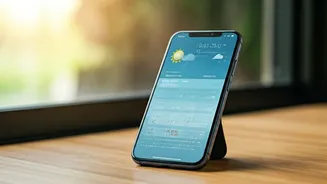
This new era of weather-based life planning is made possible by a convergence of powerful technologies. Government agencies like the India Meteorological Department (IMD) provide foundational data, which is then enhanced by private companies. Apps like AccuWeather, Skymet, and others use proprietary algorithms and data from hundreds of thousands of personal weather stations to deliver hyper-local forecasts. They present complex meteorological data through user-friendly interfaces, with features like interactive maps, lifestyle indices, and customisable alerts for specific conditions like rain, UV levels, or poor air quality. While accuracy can still vary between providers and regions, the overall trend is toward more reliable and actionable information right at our fingertips.