




What Is Active Recovery?
Unlike passive recovery, which involves complete rest, active recovery means engaging in low-intensity exercise after a strenuous workout. The goal is to keep your body moving to increase blood flow to tired muscles, which delivers oxygen and nutrients
essential for repair. This process helps flush out metabolic waste products, such as lactic acid, that accumulate during intense exercise and contribute to muscle soreness and stiffness. By promoting more efficient healing, active recovery can reduce the dreaded delayed-onset muscle soreness (DOMS), improve flexibility, and help you get back to your training schedule sooner.
Low-Intensity Cardio
One of the simplest and most effective forms of active recovery is low-intensity cardio. Think of activities like a brisk walk, a gentle cycle, swimming, or using an elliptical machine at a relaxed pace. The key is to keep the intensity low, typically between 30-60% of your maximum heart rate, so you can easily hold a conversation. A 20 to 30-minute session is usually sufficient to boost circulation and aid recovery without putting additional strain on your muscles. Swimming is particularly beneficial as the water's buoyancy supports your body, reducing impact on sore joints and muscles.
Foam Rolling (Self-Myofascial Release)
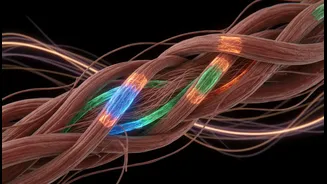
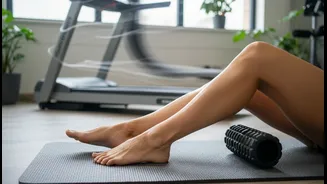
Foam rolling has become a staple in the recovery routines of many fitness enthusiasts. This technique, also known as self-myofascial release, involves using a foam cylinder to massage your muscles, applying pressure to release tension and break up knots in the fascia—the connective tissue surrounding your muscles. Research shows that foam rolling can significantly reduce muscle soreness, improve flexibility, and enhance your range of motion without hurting performance. To do it effectively, roll slowly over major muscle groups like your quads, hamstrings, glutes, and calves, spending about 30 to 60 seconds on each area. While it might feel slightly uncomfortable on tight spots, it shouldn't be sharply painful.
Dynamic Stretching and Mobility
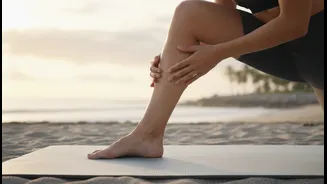
While many of us grew up with static stretching (holding a stretch for 30 seconds or more), modern fitness guidance often recommends dynamic stretching for recovery. Dynamic stretches involve active, controlled movements through a full range of motion, like leg swings, arm circles, and walking lunges. This type of movement mimics workout patterns, helps improve blood flow, and can reduce post-exercise stiffness. Unlike static stretching, which is best for improving long-term flexibility when muscles are already warm, dynamic movements are excellent for an active cool-down. A short, 5-10 minute routine can prepare your muscles for a state of rest and improve mobility for your next workout.
Gentle Yoga
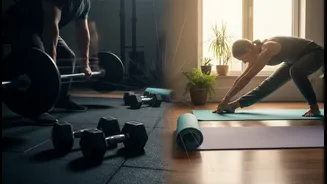
Yoga combines gentle movement, stretching, and controlled breathing, making it a fantastic active recovery tool. It helps improve flexibility, reduces muscle tension, and promotes relaxation by activating the parasympathetic nervous system, also known as the "rest and digest" state. Poses that focus on full-body stretches, such as Cat-Cow, Downward-Facing Dog, and gentle twists, can increase circulation to fatigued muscles and alleviate stiffness. A slow-flow or restorative yoga session encourages you to listen to your body and move in a way that feels good, providing both physical and mental benefits after a tough training week.