


Start with a Cleaner Foundation
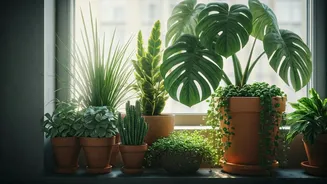
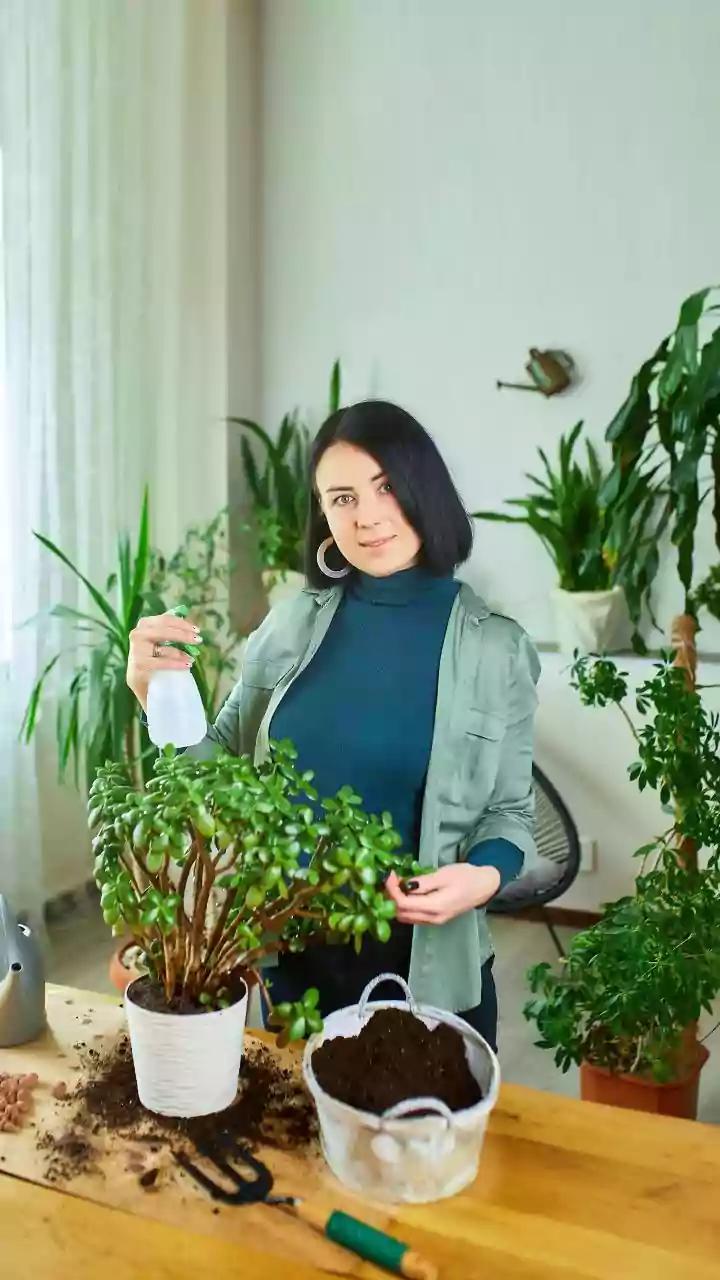
The journey to cleaner growing begins with what your plants live in. Traditional garden soil is often heavy, can introduce pests, and is not ideal for indoor pots. A better choice for urban plant parents is a soilless potting mix. These mixes are sterile,
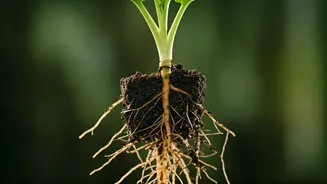
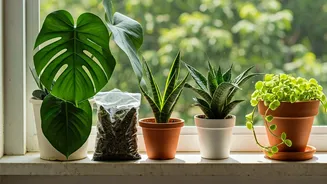
lightweight, and provide excellent drainage. The star ingredient in many of these mixes, and a sustainable hero in its own right, is coco peat, or coir. Derived from coconut husks, coco peat is a renewable resource that boasts incredible water retention, holding up to ten times its weight in water. This means you water less often, and your plants get a consistent supply of moisture without waterlogging the roots. Its porous texture also ensures plant roots get plenty of oxygen, which is crucial for healthy growth. Many commercially available potting mixes for indoor plants are now based on coco peat, often blended with perlite for aeration and compost for nutrients, offering a clean, pest-free start for your green companions.
Feed Your Plants Naturally
Once you have your base right, the next step is providing nutrition. Instead of reaching for synthetic chemical fertilisers, the modern plant parent has a host of organic options. These natural alternatives not only feed the plant but also improve the soil’s health over time. Vermicompost (worm castings) is a powerhouse of nutrients and beneficial microbes that enhance soil fertility. Neem cake, a byproduct of neem oil production, is another excellent organic fertiliser that doubles as a pest deterrent, protecting roots from nematodes and soil-borne fungi. For a liquid feed, you can easily find organic solutions online or make your own. Simple concoctions like rice water or diluted banana peel tea can provide a gentle boost of potassium and other micronutrients. The goal is to provide a balanced diet that supports strong roots and lush foliage without introducing harmful chemicals into your home.
Embrace Non-Toxic Pest Control
Pests are an inevitable part of gardening, but dealing with them doesn't have to involve toxic sprays. Prevention is the first line of defence: keep your plants clean by wiping dust off leaves and remove any dead or yellowing foliage promptly. For active infestations, neem oil is the go-to solution for organic gardeners in India. A simple spray made by mixing a few millilitres of neem oil with water and a drop of mild liquid soap can effectively manage common pests like aphids, mealybugs, and spider mites. The oil works by disrupting the pests' life cycle without harming the plant or leaving toxic residue. Another effective homemade remedy is a chilli-garlic spray. Blending a few cloves of garlic and a chilli with water creates a potent repellent that keeps many sap-sucking insects at bay. These methods are safe for use indoors and around pets and children.
Explore Soil-Free Hydroponics
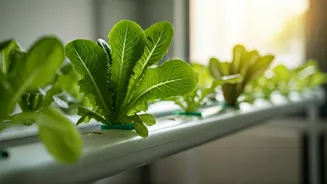
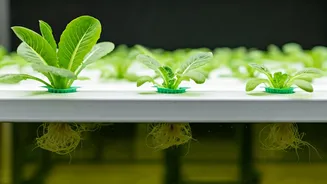
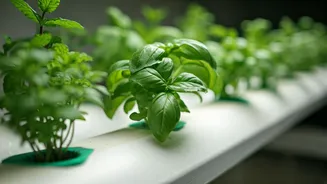
For the ultimate clean growing experience, some urban gardeners are eliminating soil altogether. Hydroponics, the method of growing plants in nutrient-rich water, is gaining popularity in Indian apartments. It is incredibly space-efficient and eliminates the risk of soil-borne pests and diseases. Beginner-friendly systems like the Kratky method or Deep Water Culture (DWC) can be set up at a low cost. A basic DIY setup for growing herbs like mint, basil, and coriander can cost as little as ₹1,500–₹2,000. These systems work by letting plant roots access a precisely controlled nutrient solution, which can lead to faster growth compared to traditional soil gardening. With readily available starter kits and online guides, starting a small hydroponic garden on a balcony or windowsill is more accessible than ever.