






Gourds: The Monsoon Mainstays
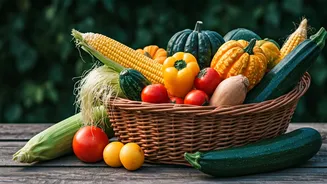
Vegetables like bottle gourd (lauki), ridge gourd (turai), and bitter gourd (karela) are abundant during the rainy season. Their high water content and light nature make them easy to digest, which is a bonus during a season when digestion can be sluggish.
Because they are grown widely and harvested during this time, their supply is plentiful, which generally keeps prices reasonable compared to out-of-season produce. These gourds are low in calories and rich in dietary fibre and essential vitamins, making them a nutritious choice.
Jamun: The Seasonal Superstar
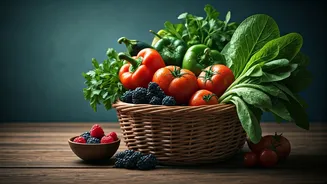
The deep purple Indian blackberry, or jamun, is a quintessential monsoon fruit. Its arrival in the market signals the true beginning of the season for many. Jamuns have a unique sweet and tart flavour and are packed with vitamin C and antioxidants that help boost immunity. This fruit is known for its health benefits, including aiding digestion and being beneficial for oral health. Since their season is short and specific to the monsoon, this is the best and most affordable time to enjoy them fresh.
Corn: The Ultimate Rainy Day Snack
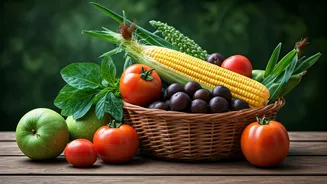
Nothing says monsoon quite like a hot, roasted cob of corn (bhutta). During the rainy season, corn is at its peak freshness and availability across the country. This abundance means it's one of the most budget-friendly snacks you can find. Corn is a good source of fibre and essential nutrients. Whether you enjoy it roasted from a street vendor or boiled at home, it’s a wholesome and satisfying option that provides a quick energy boost on a dreary day.
Pomegranates and Cherries: Immunity Boosters
Pomegranates are available for a good part of the year but have a strong season during the monsoon. They are celebrated for their antioxidant properties and are rich in nutrients that support the immune system. Similarly, cherries make their appearance during the rainy season, offering a sweet-tart flavour and a host of health benefits. Both fruits are excellent additions to a monsoon diet to help the body fend off common seasonal infections.
Peaches and Plums: Juicy and Nutritious
Peaches and plums are other delightful fruits that peak during the monsoon. Peaches are loved for their sweet flavour and are a good source of vitamins A and C, which are great for skin health and immunity. Plums, with their sour-sweet taste, are packed with minerals and antioxidants. Their seasonal availability ensures they are fresh and more affordable, providing a juicy treat packed with nutritional benefits.
A Note on Leafy Greens
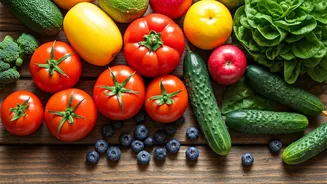
While leafy greens like spinach are available, the monsoon is a time to be extra cautious. The high humidity and moisture create a breeding ground for germs and contaminants. Prices for greens like spinach and coriander can also double due to spoilage and difficult harvesting conditions. If you do buy leafy greens, it is crucial to wash them thoroughly. Soaking them in salt water or a vinegar-water solution for 15-20 minutes before rinsing again is a recommended safety practice. It is also advisable to cook leafy vegetables well rather than consuming them raw in salads.
How to Shop Smart
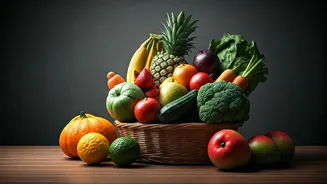
When shopping for produce during the monsoon, look for items that are firm and free from bruises or soft spots. Avoid vegetables with visible signs of decay or water damage. Due to high humidity, produce tends to spoil faster. It's often better to buy in smaller batches more frequently than to stock up for the week. Proper storage is key; keep vegetables in the refrigerator in breathable bags to allow for air circulation and prevent moisture buildup.