






The Rise of the Healthy Meal Box
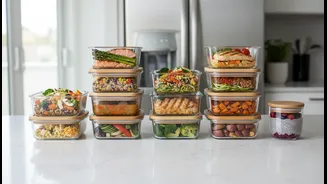
Meal subscription services are booming in India, tapping into a growing desire for convenience and health-conscious living. For busy professionals and families, the promise is compelling: no more meal planning, grocery shopping, or last-minute calls to restaurants.
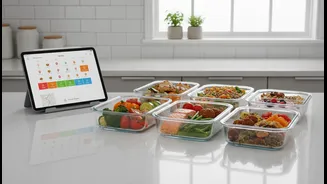
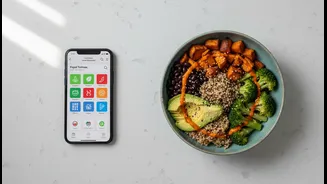
These services offer curated, often customizable, meal plans delivered right to your door. The Indian healthy meal subscription market was valued at over $3.7 billion in 2022 and is projected to grow significantly, showing a clear shift in consumer habits. Unlike restaurant aggregators that handle single orders, subscription models often operate more efficiently, which can translate to better pricing for a regular schedule of meals. The core appeal is a solution that sits between the effort of home-cooking and the perceived unhealthiness of frequent takeaways.
Decoding the 'Health-Halo'
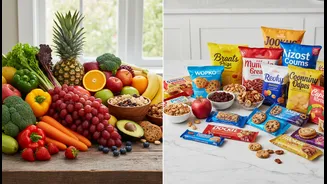
This is where things get tricky. Many services market themselves using appealing but vague terms like “organic,” “natural,” “clean,” or “wholesome.” This is known as the “health-halo effect,” a marketing strategy that can make a food or service seem healthier than it actually is. A label like “gluten-free” is crucial for someone with celiac disease, but it doesn't automatically make a meal low in calories or sugar. Similarly, a salad loaded with a sugary dressing and fried toppings might be marketed as a healthy choice, fooling consumers into underestimating its true nutritional profile. Experts advise consumers to look past these buzzwords and examine the actual nutritional information and ingredient lists.
Subscription vs. Restaurant Delivery: The Cost
At first glance, meal subscriptions can seem more expensive than a single restaurant order. However, a closer look reveals a more complex picture. While home cooking remains the most budget-friendly option in India, the cost of frequent food delivery has been quietly rising. By mid-2026, platform fees on major apps have climbed significantly, in addition to delivery charges, packaging fees, and surge pricing that can add up. Some analyses suggest households can spend thousands of rupees extra each month on these hidden costs. Meal subscriptions, by contrast, often have a more predictable, all-inclusive price. Some services also optimize delivery routes, which helps keep their operational costs, and thus prices, more stable than the one-rider-per-order model of on-demand delivery.
Are They Actually Healthier?
Generally, dietitians agree that a meal kit is a step up from typical restaurant takeout. You often get fresher ingredients, more vegetables, and better portion control. Many services have dietitians on staff to help formulate balanced meals tailored to needs like low-sodium or high-protein diets. However, not all meals offered by a service are created equal. The healthiness of a meal kit ultimately depends on the specific meal you choose. Sauces and seasoning packets can be high in sodium, so it’s wise to check nutritional labels if that's a concern. The biggest advantage is that they encourage cooking at home, which gives you more control over your food.
Making the Smart Choice
So, is a meal subscription right for you? It depends on your lifestyle and priorities. If you rely heavily on food delivery and want a healthier, more structured alternative, it could be a great fit. These services offer built-in portion control and can introduce you to new, healthy recipes and cooking skills. However, it's crucial to be a savvy consumer. Look for services that offer transparent nutritional information and ingredient sourcing. Take advantage of trial periods to see if the food quality, taste, and variety meet your expectations. Some users report “food fatigue” if the menu doesn’t change often enough, so check for menu variety and flexibility to pause or cancel your subscription.