




The Old Model: A Tale of Two Journeys
For decades, international travel for most Indians meant a two-part journey. The first leg involved flying from a smaller city to a major metro hub like Mumbai, Delhi, or Bengaluru. This was followed by a often-stressful transit: collecting baggage, changing
terminals, and enduring long queues for security and immigration before finally boarding an international flight. This hub-and-spoke model, while standard globally, created significant inefficiencies for passengers from non-metro areas, adding hours, and sometimes an entire day, to their travel time. This dependency not only made journeys longer but also concentrated traffic at a few already-congested airports, limiting options and often leading to higher overall travel costs.
Indore's Ascent: A Blueprint for Direct Connectivity
Indore's Devi Ahilya Bai Holkar Airport is emerging as a powerful case study for this shift. After a brief suspension, international flights are making a comeback. Air India Express is set to launch a new direct service to Abu Dhabi starting July 15, 2026, operating three times a week. This restores a crucial overseas link for central India, providing travellers not just a direct route to the UAE, but also seamless access to over 80 global destinations via Abu Dhabi's international hub. This move bypasses the need for transfers in Delhi or Mumbai, directly benefiting tourists, business professionals, and families in Madhya Pradesh. The route adds to existing international services to destinations like Sharjah, reflecting a growing demand for direct global access from India's tier-2 cities.
Navi Mumbai: A True Competitor, Not Just Overflow
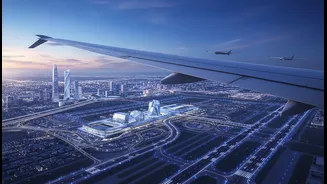
The game is set to change dramatically with the launch of international operations at Navi Mumbai International Airport (NMIA) on July 15, 2026. This is not merely an airport designed to handle the overflow from Mumbai's congested Chhatrapati Shivaji Maharaj International Airport (CSMIA). NMIA is a world-class hub built to compete. Initial international passenger flights are expected to commence with carriers like Air India Express and IndiGo, with Abu Dhabi being one of the first destinations announced. Planned with a capacity to handle 20 million passengers in its first phase and eventually scaling up to 90 million, NMIA is strategically positioned to serve the Mumbai Metropolitan Region and beyond. Its existence introduces genuine competition, forcing both airports to innovate and improve passenger experience.
The Bigger Picture: A More Competitive Sky
The developments in Indore and Navi Mumbai are not isolated incidents but part of a larger, nationwide trend. The number of operational airports in India has more than doubled in the last decade, with a significant focus on enhancing infrastructure in tier-2 and tier-3 cities. This expansion creates a more competitive aviation landscape. Airlines are incentivised to launch new point-to-point routes, bypassing traditional hubs. This not only gives passengers more choice but also stimulates economic activity, tourism, and investment in these regions. Initiatives like Air India's 'Easy Connect' service, which allows international immigration formalities to be completed at the origin airport, further streamline the process for travellers from smaller cities. This structural shift means airlines and airports can no longer focus solely on the metros, but must cater to the growing aspirations of a new class of travellers from across India.
Your Journey, Reimagined and Simplified
For the average traveller, this shift translates into tangible benefits. The most significant is the time saved by avoiding lengthy layovers. Direct flights mean shorter, less stressful journeys. Planning becomes simpler, with fewer variables like domestic flight delays or terminal transfers to worry about. This increased convenience makes international travel a more viable and attractive option for millions. Furthermore, greater competition among airports and airlines can lead to more competitive airfares over the long term. The psychological comfort of starting an international journey from a familiar local airport cannot be overstated. It marks a fundamental change in the travel experience, making the world more accessible from one's own backyard.