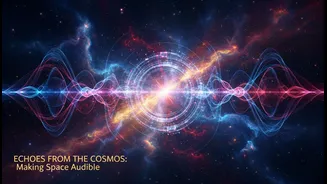




Let's Clear the Air: There's No Sound in Space
First, let's get a common misconception out of the way. The eerie wails and celestial chimes you might have heard online are not sounds recorded by a microphone floating in the void. Most of space is a vacuum, which means there's no medium for sound waves
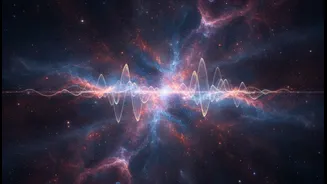
to travel through. So, when you see a movie where a spaceship explodes with a deafening boom, that’s just Hollywood magic. What scientists at NASA and other institutions are sharing is something different, and arguably even cooler: data sonification. This process translates data—like light, plasma waves, or radiation—into sound that we can hear. It's less like recording an orchestra and more like composing a musical piece based on raw information from the cosmos. The one major exception is when there is an atmosphere. NASA's Perseverance rover, for example, has microphones that have successfully recorded the whistling wind and crunching gravel on Mars.
Translating the Cosmos
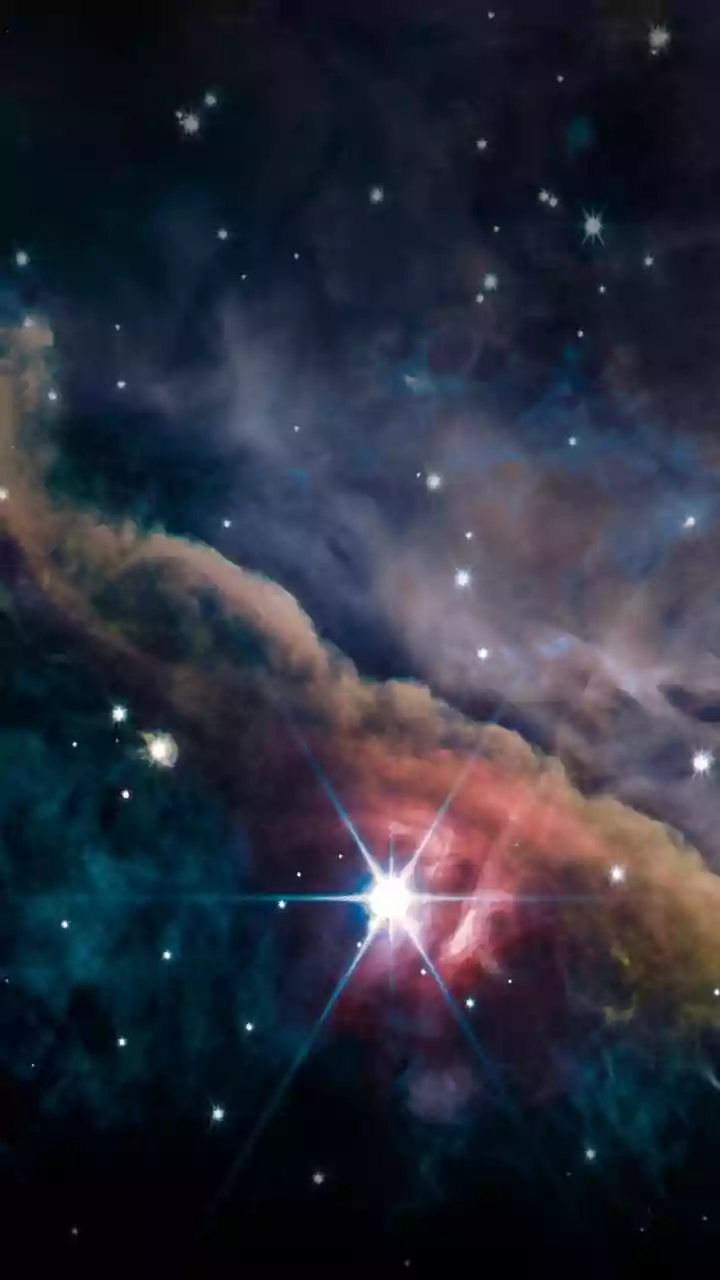
So how do you turn a picture of a galaxy into a song? Think of it like a new kind of musical notation. Scientists, often collaborating with musicians, assign audible properties to visual data. For example, in an image from the Hubble or James Webb telescopes, the brightness of a star could determine the volume of a note. Its position in the image—top to bottom—could determine its pitch. Different types of light, like X-rays or infrared, can be assigned to different instruments, such as brass, strings, or bells. An astrophysicist might map X-ray data from the Chandra X-ray Observatory to high, tinkling notes and radio wave data to low, resonant tones. A program then scans across the image, playing the notes as it goes. The result is an auditory representation of cosmic structures like the Pillars of Creation or the Crab Nebula.
Meet the Celestial Speakers
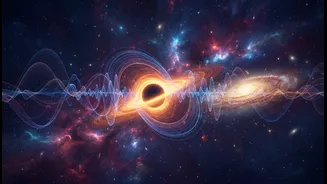
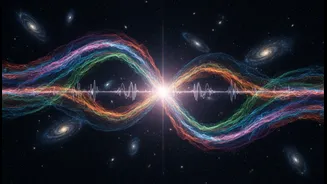
Some of the most compelling sonifications come from the universe's most extreme objects. Take the supermassive black hole at the center of the Perseus galaxy cluster. Astronomers discovered that it creates immense pressure waves that ripple through the surrounding gas—actual sound waves, but at a frequency 57 octaves below middle C, far too low for humans to hear. By scaling these frequencies up quadrillions of times, NASA made the black hole's deep hum audible, resulting in a haunting, viral audio clip. Other projects have sonified the energetic jets shooting from black holes and the ethereal clouds of gas that will one day collapse to form new ones. Even planets in our own solar system have joined the choir. X-ray and infrared data from Jupiter, Saturn, and Uranus have been converted into unique soundscapes, offering another way to appreciate our celestial neighbors.
More Than Just a Cool Beat
While the results are often beautiful and strange, data sonification isn't just an art project. It’s a powerful new tool for science and accessibility. For researchers, hearing data can reveal patterns or subtleties that are difficult to spot in a visual format. It provides another layer of analysis, helping them understand complex phenomena. Perhaps most importantly, sonification makes astronomy accessible to people who are blind or have low vision. By pairing these sounds with 3D-printed models of celestial objects, scientists are creating a multisensory way to explore the cosmos. This effort transforms what has historically been a visual science into an experience that more people can share. A recent study involving thousands of participants, including those from the blind and low-vision community, confirmed that these sonifications led to significant learning gains and positive experiences.