




The Reality Beyond the Romance
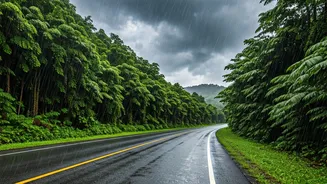
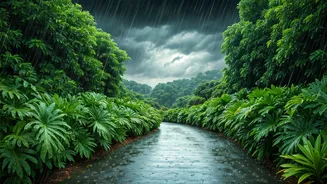
We all crave that quintessential monsoon escape, where hills are draped in vibrant green and waterfalls roar back to life. It's a magical time to travel in India. However, the reality of monsoon travel involves more than just picturesque moments. Heavy
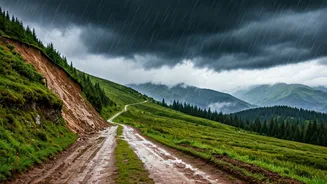
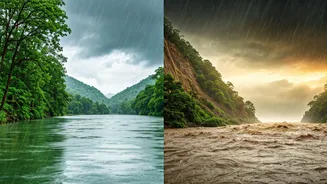
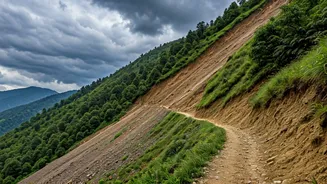
rains can lead to flooded roads, travel delays, and serious safety hazards like landslides, especially in hilly regions. [2, 9] The same rain that makes a place beautiful can also make it inaccessible or dangerous. A successful trip isn't about avoiding the rain, but about respecting its power and planning for its consequences. This means shifting the focus from just the destination to the journey and the preparation itself.
Prioritise Safety: Check Before You Go
The most critical step is to do your homework before you even pack. This isn't the season to be spontaneous. Start by checking the weather forecasts from reliable sources like the Indian Meteorological Department (IMD). [2] Look at the forecast not just for your destination, but for the entire route, especially if you're planning a road trip. [2] Be aware of regions that are particularly prone to landslides, such as parts of Uttarakhand, Himachal Pradesh, the Western Ghats, and Darjeeling. [11, 18, 19] In recent years, these areas have seen significant disruptions due to heavy rainfall. [18] If authorities have issued travel advisories for a region, it’s wise to reconsider your plans. Choosing a destination less affected by heavy rains can be a smarter choice. [6]
Health and Hygiene on the Road
The monsoon is a breeding ground for bacteria and viruses. Water contamination is a major risk, leading to illnesses like typhoid and gastroenteritis. [20, 22] The golden rule is to drink only bottled, filtered, or boiled water and be cautious about ice in your drinks. [5, 21] Be wary of street food, especially items that are raw, pre-cut, or have been sitting out. [2] Opt for freshly cooked, hot meals from clean establishments to be on the safer side. [6] Mosquitoes are another menace, with an increased risk of dengue and malaria. [16, 20] Carry a strong insect repellent and consider wearing full-sleeved, light clothing, particularly in the evenings. [8, 20]
Pack Smart for Wet Conditions
Your packing list needs a monsoon-specific upgrade. Ditch the heavy jeans and cottons that take forever to dry. Instead, opt for lightweight, synthetic, and quick-drying clothes. [3, 7] Darker colours are a practical choice as they don't show mud splashes easily. [3] Footwear is crucial; invest in a good pair of waterproof sandals or floaters with a solid grip. [3, 4] Leave your fancy leather shoes and white sneakers at home. [2] Essential rain accessories include a sturdy umbrella and a reliable raincoat or poncho. [5] Most importantly, protect your electronics and important documents. Use waterproof backpack covers and keep your phone, wallet, and chargers in zip-lock bags. [8]
Plan for More Than Just Views
A great monsoon holiday has a Plan B for when you're inevitably rained in. Instead of just waiting for the rain to stop, embrace the indoors. Research your destination for interesting activities that aren't weather-dependent. This could be exploring local museums, visiting a regional culinary school, browsing indoor handicraft markets, or simply finding a cosy café with a great book. Building buffer time into your itinerary is also a smart move, as transport can be delayed due to weather. [2, 16] The goal is to have an enjoyable experience even if the weather doesn't cooperate with your sightseeing plans. A holiday built around experiences, not just views, is far more resilient to the unpredictthe unpredictability of the monsoon.