
Indian snacks are more than just a quick bite; they are a vibrant cultural experience packed with flavour, texture, and tradition. From sweet brittles to savoury, tangy chaats, the variety is endless. Here are five flavourful treats with a distinct Indian appeal.
Golden Peanut Chikki
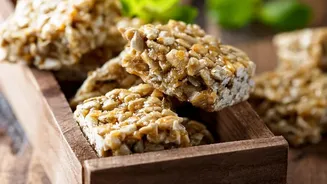
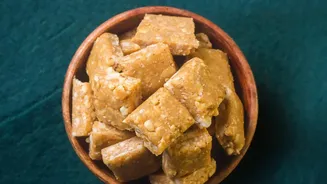
Peanut Chikki is a classic Indian brittle that embodies simple, rustic sweetness. Made with just two primary ingredients—roasted peanuts and molten jaggery—this snack is a powerhouse of energy and flavour. The process involves cooking jaggery syrup to the perfect 'hard ball' consistency before folding in the peanuts. The mixture is then flattened and cut into squares or bars as it cools, resulting in a satisfyingly crunchy and nutty treat. Often associated with the winter months and festivals like Makar Sankranti and Lohri, chikki is a nostalgic favourite across the country, enjoyed by all ages as a wholesome snack. Its origins are deeply rooted in western India, particularly Maharashtra and Gujarat, where it was valued as a long-lasting, nutritious snack for travellers and farmers.
The Iconic Samosa
Arguably India's most famous triangular pastry, the samosa is a beloved staple at street food stalls, family gatherings, and tea-time breaks. While its origins trace back to the Middle East, where it was known as 'sanbosag' and typically filled with meat, India has made the snack its own. The most popular version features a crispy, golden-fried pastry shell filled with a savoury mixture of spiced potatoes and peas. However, regional variations abound, with fillings ranging from lentils and paneer to minced meat and even sweet concoctions with coconut and jaggery. Served hot with tangy tamarind or fresh mint chutney, the samosa offers a perfect contrast of a crunchy exterior and a soft, flavourful interior that has won hearts globally.
Spongy and Savoury Dhokla
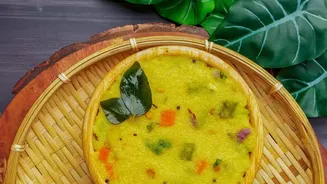
Hailing from the state of Gujarat, Dhokla is a light, spongy, and savoury steamed cake that is as healthy as it is delicious. It is made from a fermented batter of gram flour (besan) or a mix of rice and lentils. The fermentation and steaming process gives dhokla its signature airy and soft texture. Once steamed, the cake is cut into squares and topped with a flavourful tempering of mustard seeds, curry leaves, green chillies, and sometimes sesame seeds. Often garnished with fresh coriander and grated coconut, dhokla strikes a beautiful balance of sweet, tangy, and mildly spicy flavours. It is enjoyed as a breakfast dish, a light main course, or a nutritious snack any time of the day.
Crunchy, Twisty Murukku
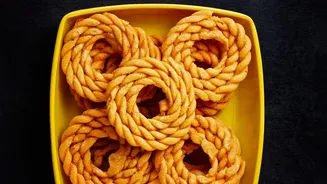
Murukku, which means 'twisted' in Tamil, is a deep-fried, crunchy snack renowned for its intricate spiral shape and addictive texture. Originating in South India, particularly Tamil Nadu, it is a festive staple during celebrations like Diwali and Krishna Jayanthi. The dough is typically made from rice flour and urad dal flour, seasoned with salt, asafoetida, and spices like cumin or sesame seeds. This dough is then pressed through a special mould, known as a murukku press, to create its characteristic coils, which are then fried to a perfect golden-brown crispness. There are many variations, including the extra-crunchy Mullu Murukku ('thorn' murukku) and those made with butter or different flours, but all share that irresistibly savoury crunch.
Tangy and Chaotic Bhelpuri
A quintessential Mumbai street food, Bhelpuri is a type of chaat that delivers an explosion of textures and flavours in every spoonful. It is a delightful mess of puffed rice, crushed crispy puris (papdi), and thin gram flour noodles called sev. To this crunchy base, vendors add a vibrant mix of chopped onions, boiled potatoes, and sometimes raw mango. What ties it all together are the chutneys: a sweet and tangy tamarind chutney, a spicy green chutney made from coriander and mint, and occasionally a fiery garlic one. Mixed fresh to order and often served in a paper cone, bhelpuri must be eaten immediately to enjoy the contrast between the crispness of the puffed rice and the wetness of the chutneys—a perfect representation of India's dynamic street food culture.