



Why the Monsoon Changes Everything
The rainy season in India is a welcome respite, transforming the landscape into a lush green paradise. It’s also a time when we enjoy seasonal fruits like jamun, peaches, and pears. However, the increased humidity and moisture in the air create a perfect
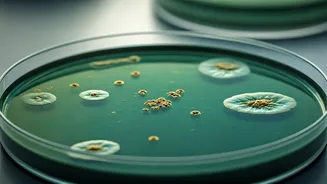
breeding ground for bacteria, fungi, and other harmful pathogens. These microbes can easily settle on the surfaces of fresh produce. Furthermore, rainwater can wash pesticides, dirt, and contaminants from the soil directly onto the skins of fruits and vegetables, making them a potential source of infection and stomach ailments like diarrhoea, cholera, and typhoid.
The Peel: A Protective Barrier or a Germ Carrier?
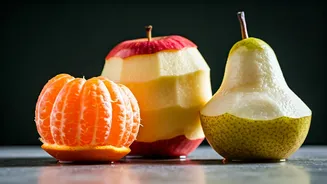
Fruit peels are often packed with fibre and nutrients, and in any other season, eating them is highly recommended. But during the monsoon, this outer layer becomes the first point of contact for all environmental contaminants. The waxy, and sometimes slightly rough, texture of peels on fruits like apples, guavas, and pears can trap microbes and chemical residues. While a thorough wash is always the first step, it may not be enough to dislodge all the invisible germs that cling to the surface. This is where peeling becomes a crucial second line of defence.
The Nutritionist’s Take on This Simple Hack
Health experts and nutritionists across India are largely in agreement on this seasonal advice. They frame it as a simple cost-benefit analysis. While you might lose a small amount of fibre by removing the peel, you significantly reduce your risk of ingesting harmful bacteria and pesticides that are more prevalent during this time. The priority during the monsoon is to protect your digestive system and boost your immunity. Sacrificing the peel is a minor nutritional trade-off for a major gain in food safety. Think of it as a temporary adjustment to your diet to navigate the specific challenges of the season.
Fruits to Prioritise for Peeling
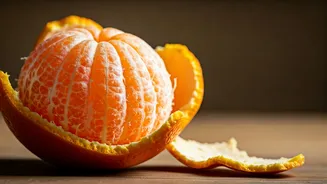
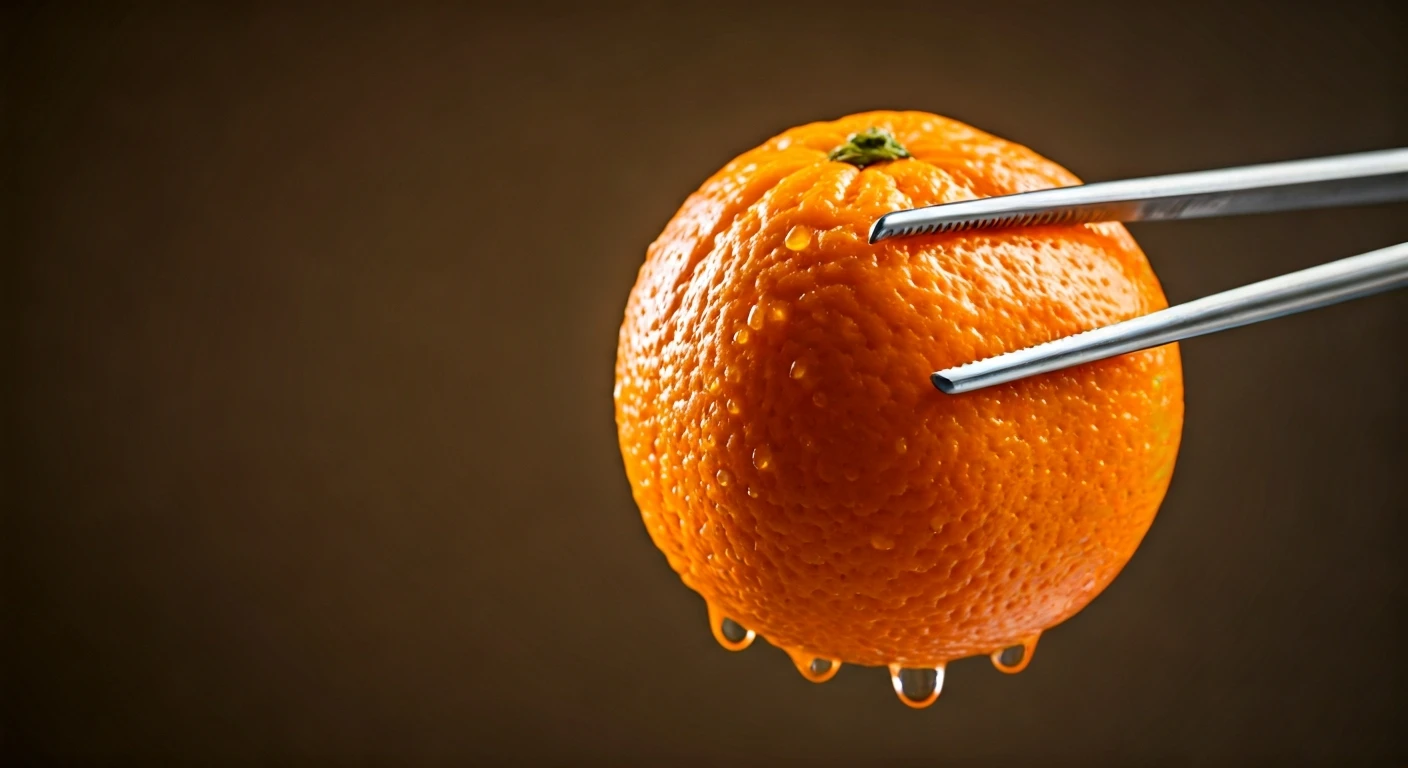
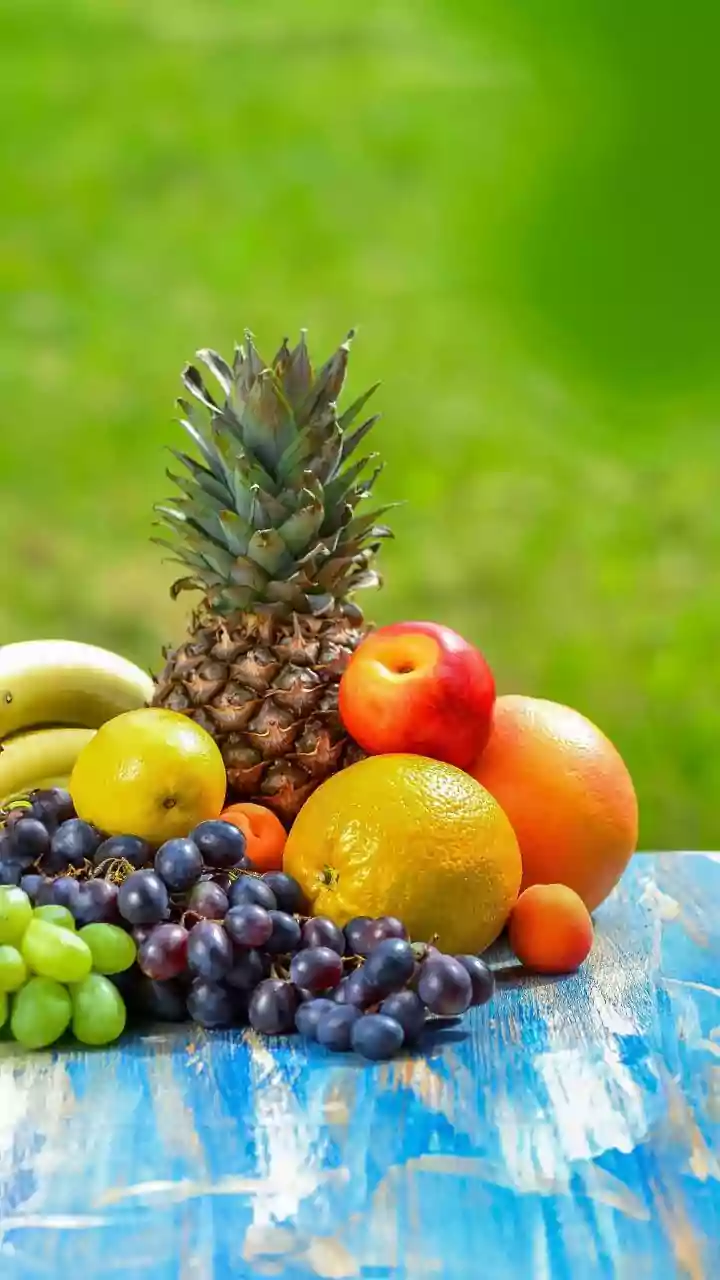
This advice applies particularly to fruits where the skin is typically consumed. Make it a point to peel apples, pears, guavas, peaches (chikoo), and plums. Even with fruits like mangoes, which are always peeled, it's essential to wash them thoroughly before cutting. This prevents contaminants on the skin from being transferred to the flesh by the knife. Fruits with thick, inedible peels that are naturally discarded, such as bananas, pomegranates, and oranges, are generally considered safer choices during the monsoon, as their flesh is well-protected from external contamination. For delicate berries like strawberries, which can't be peeled, ensure you wash them in a colander under running water and consume them quickly.
Beyond Peeling: More Monsoon Food Safety
Peeling fruit is a powerful tool, but it works best as part of a broader food safety strategy for the monsoon. Here are a few other expert-backed tips: 1. **Wash everything:** Before peeling or cutting, wash all fruits and vegetables under clean, running water. You can even add a drop of food-safe wash or a splash of vinegar to the water for extra protection. 2. **Avoid pre-cut produce:** Steer clear of pre-cut fruits and salads sold by street vendors. You have no control over the hygiene of the water used to wash them or the cleanliness of the cutting surfaces. 3. **Be careful with leafy greens:** Vegetables like spinach and cabbage can harbour worms and germs within their layers, especially during the monsoon. Blanch them in hot water for a minute to kill any microbes before cooking. 4. **Choose cooked over raw:** When in doubt, especially when eating out, opt for well-cooked meals over raw salads or chutneys. Heat is one of the most effective ways to destroy harmful bacteria.