


The Ultimate Closed-Loop System
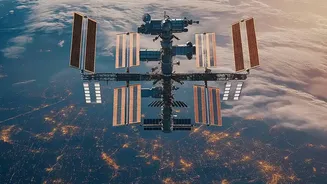
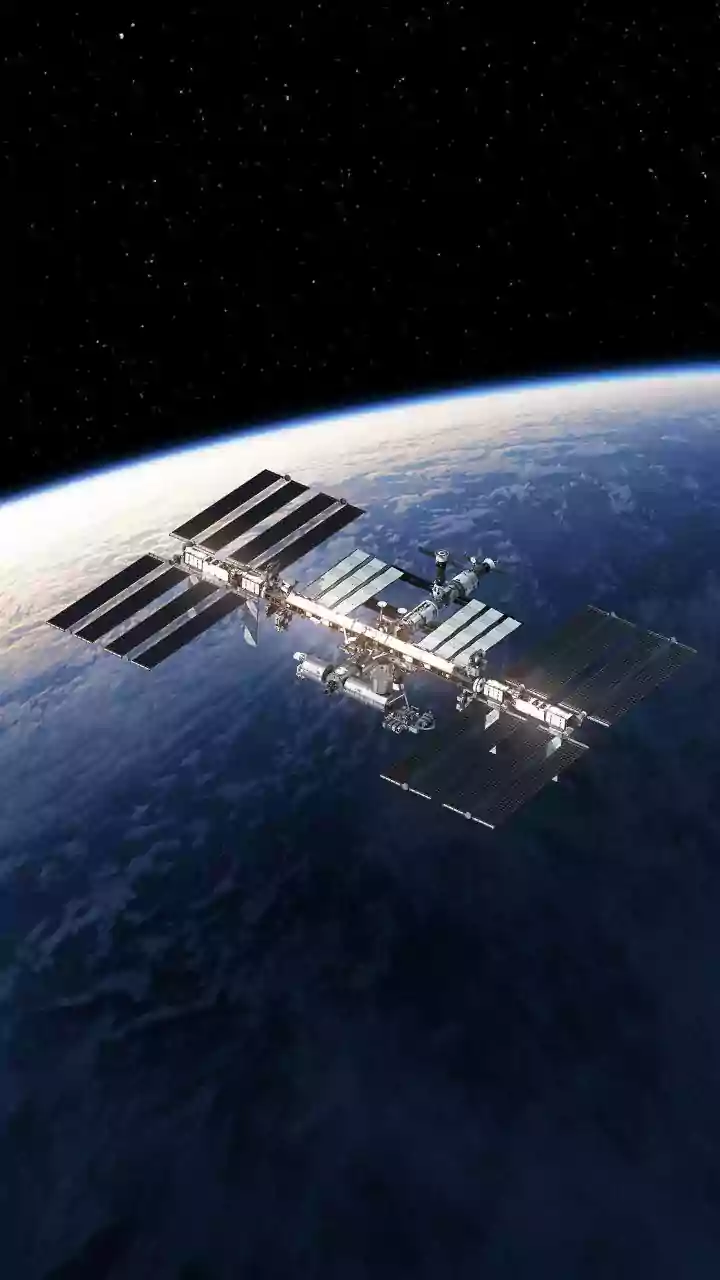
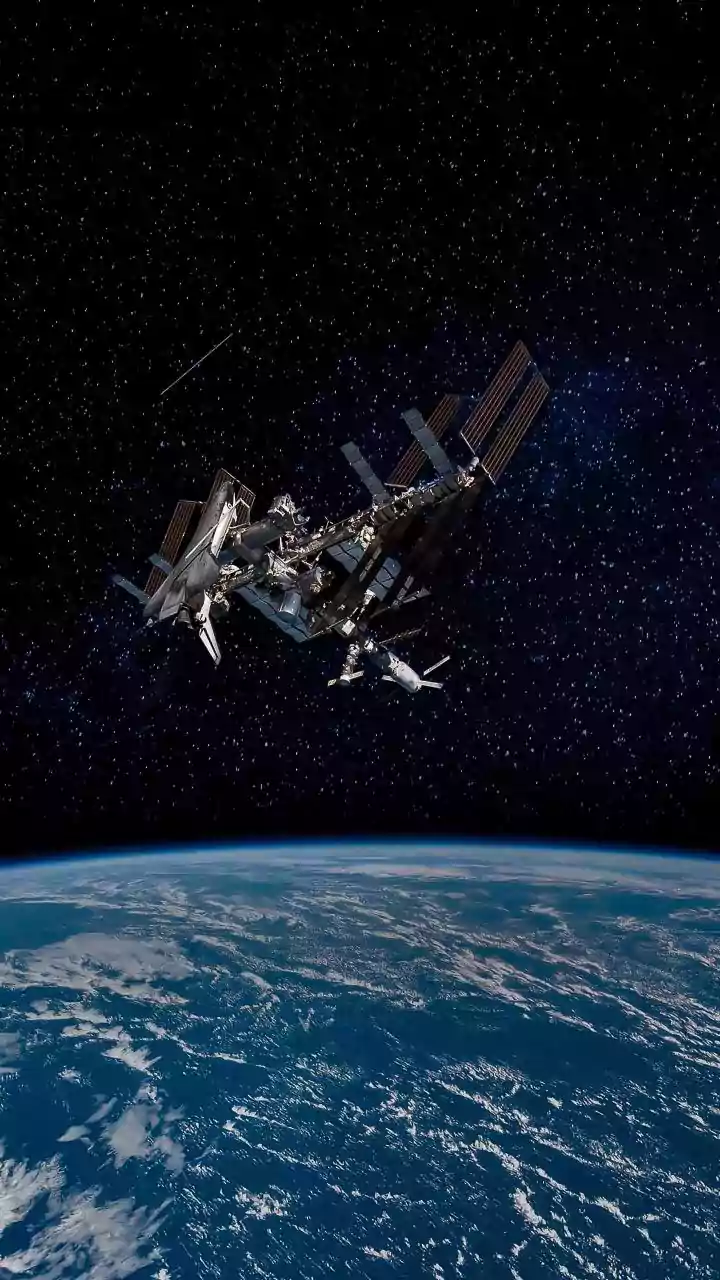
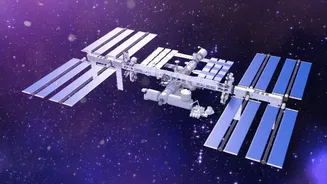
The International Space Station (ISS) is essentially a self-contained bubble orbiting 400 kilometres above Earth. To make this bubble habitable, it relies on a sophisticated suite of technology called the Environmental Control and Life Support System,
or ECLSS. This system is the mechanical heart of the station, responsible for managing everything from atmospheric pressure and temperature to fire suppression and waste. Its primary job is to replicate the stable, life-sustaining conditions of Earth in the most hostile environment imaginable. Before advanced recycling, almost all water and oxygen had to be launched from Earth, a process so expensive and heavy that it limited mission duration and crew size. The ECLSS changes that by creating a closed-loop system where nearly every resource is reused.
Yesterday's Coffee, Tomorrow's Water
The most critical recycling feat on the ISS is water reclamation. The station's Water Recovery System is a marvel of engineering, designed to capture and purify almost every drop of water. This includes moisture from the crew's breath and sweat which is collected by dehumidifiers, and even urine. The system routes all this wastewater to a Water Processor Assembly. Inside, a multi-stage process involving filters and a high-temperature catalytic reactor removes contaminants. Astronauts often joke about "drinking yesterday's coffee," but the reality is the end product is often purer than tap water on Earth. Recent upgrades, like the Brine Processor Assembly which extracts the last bit of water from urine brine, have pushed the total water recovery rate to an incredible 98%. This is a vital milestone, as it's the minimum rate thought necessary for future long-duration missions to Mars.
Breathing Easy, Miles Above the Planet
Just as crucial as water is breathable air. The ISS doesn't carry all its oxygen in tanks. Instead, it makes most of it on-site. The Oxygen Generation System (OGS), primarily in the US segment, and a similar Russian system called Elektron, use a process called electrolysis. They apply an electric current, powered by the station's massive solar arrays, to water from the recycling system. This splits the water molecules (H₂O) into their component parts: breathable oxygen and hydrogen gas. The oxygen is vented into the cabin atmosphere, maintaining an Earth-like pressure and composition of about 21% oxygen. The hydrogen, a waste product of this process, is either vented into space or fed into another system, the Sabatier reactor, which combines it with waste carbon dioxide to create more water, closing the loop even further.
Stability for Psychological Survival
The stability provided by these recycling systems goes beyond physical survival; it’s crucial for psychological well-being. Living in a confined, isolated, and extreme environment for months on end is mentally taxing. The constant, reliable availability of essentials like clean water and fresh air creates a sense of security and normalcy. Knowing that these life-sustaining resources won't suddenly run out reduces a significant source of underlying anxiety for the crew. This environmental stability allows astronauts to focus on their primary tasks of scientific research and station maintenance. Furthermore, the act of maintaining these complex systems gives crew members a sense of purpose and direct control over their own survival, which is a powerful psychological buffer against the stresses of spaceflight.
A Blueprint for Humanity's Future in Space
The recycling systems on the ISS are more than just a clever way to save on resupply missions; they are a critical testbed for the future of human space exploration. For missions to the Moon or Mars, where resupply from Earth would be impossible or take years, being fully self-sufficient is not optional. Every piece of technology within the ECLSS, from the water processors to the oxygen generators, is constantly being tested, refined, and improved. The lessons learned from operating these systems in low-Earth orbit directly inform the design of the habitats that will one day sustain astronauts on the long journey to Mars and beyond, making the ISS a true stepping stone to the stars.