




1. Plan Before You Purchase
The single most effective way to control festival costs is to plan well before the event begins. Your biggest expenses will almost always be tickets, travel, and accommodation. Booking these early can lead to significant savings. Keep an eye out for early-bird
ticket releases, which are often priced considerably lower than later tiers. When it comes to getting there, carpooling with friends can split fuel and parking costs, while booking train or bus tickets in advance secures better prices. For multi-day events, on-site camping is usually the most budget-friendly lodging option if the festival offers it. If not, booking a hotel or an Airbnb with a group as soon as you have your tickets will help you avoid the price hikes that inevitably occur closer to the festival dates.
2. Master Your Food and Drink Strategy
Food and beverages are notorious budget-breakers at any festival. A single meal can be expensive, and buying several over a weekend adds up fast. The first rule is to check the festival's policy on bringing your own food and drinks. If allowed, pack non-perishable snacks like granola bars, crisps, nuts, and dried fruit to handle hunger between meals. Bringing a reusable water bottle is a non-negotiable; nearly all festivals have free water refilling stations, saving you money and reducing plastic waste. For meals you do buy, set a daily limit. Scout all the vendor options before you decide, and watch what others are buying to see which stalls offer the most generous portions. Eating a substantial meal before you head to the festival grounds for the day can also reduce the number of times you need to buy food on-site.
3. Set a Strict On-Site Spending Limit
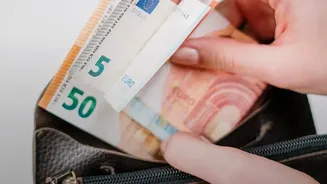
It’s easy for small purchases to accumulate. To prevent this, decide on a firm daily budget for all on-site spending—including food, drinks, and any extras—and stick to it. One of the most effective methods is to use cash. Withdrawing your budgeted amount beforehand and leaving your cards behind creates a hard stop once the cash is gone, helping you visualise your spending. If you're not comfortable carrying cash, another excellent option is to use a dedicated prepaid card or a separate digital wallet. Load it with your festival budget and use it for all transactions. This separates your festival fund from your main bank account, preventing you from accidentally dipping into savings or emergency funds. Many payment apps now also offer spending summaries, which can help you track your purchases in real-time.
4. Resist the Lure of Merchandise
Festival merchandise is tempting. That limited-edition T-shirt or hoodie feels like the perfect memento. However, these are often high-margin items that can blow a hole in your budget with a single impulse purchase. Before you even approach a merchandise stall, ask yourself if you truly need another piece of clothing. A great rule is to give yourself a 24-hour cooling-off period. If you still desperately want the item a day later, and it fits within your pre-planned budget, then consider it. More often than not, the initial urge will fade. Remember, your ticket, photos, and memories are the real souvenirs. If you absolutely want a keepsake, consider setting a specific, modest budget for one item only. Choosing one meaningful purchase is far more rewarding than returning home with several expensive items bought on a whim.
5. Prioritise Free Experiences
The core of any festival experience is the music, the atmosphere, and the community—all of which are included in your ticket price. Many festivals also offer a huge range of free activities, from workshops and art installations to impromptu dance parties and performances on smaller stages. Make a point to explore the entire festival ground and see what's on offer beyond the main headliners. You might discover a new favourite band or a unique experience you hadn't planned for. Focusing on these free elements shifts your mindset from one of consumption to one of participation. Instead of looking for the next thing to buy, you'll be looking for the next thing to see or do. This not only saves you money but also enriches your overall festival experience, creating memories that last far longer than any purchased item.