




The Science of 'Exercise Snacking'
The idea that you need long, continuous workouts to see results is outdated. A growing body of research supports a concept called “exercise snacking”—short, vigorous bursts of activity spread throughout the day. These brief sessions, often lasting just
a few minutes, can significantly improve cardiovascular health, help control blood sugar, and boost your metabolism. One study found that just three to four minutes of intense movement per day was linked to a substantially lower risk of cardiovascular-related mortality. The key isn't the duration of the workout but its intensity. Getting your heart rate up, even for a few minutes, signals your body to adapt and grow stronger. Think of it as a powerful appetizer for your muscles, waking them up and providing cumulative benefits that add up over the week.
Overcoming the All-or-Nothing Mindset
For many, the hardest part of exercising is simply starting. We often fall into an 'all-or-nothing' trap, believing that if we can't commit to a full hour, there's no point in doing anything. This is where the five-minute rule becomes a powerful psychological tool. Committing to just five minutes feels manageable and lowers the mental barrier that leads to procrastination. According to behavioral scientists, consistency is more important than perfection when building a new habit. A small, achievable daily goal creates a 'win' that reinforces the behavior, making it more likely to stick. Five minutes of movement each day is far more effective than an ambitious one-hour workout that only happens once a month. It builds momentum and, most importantly, helps you create the identity of someone who is active.
Your First Five-Minute Routine
You don't need any special equipment or even a change of clothes to get started. The goal is simply to move your body and elevate your heart rate. Try this simple, effective routine that hits all major muscle groups. Perform each exercise for one minute, moving from one to the next without a long pause.
1. Bodyweight Squats: Stand with your feet shoulder-width apart. Keep your chest up as you lower your hips as if sitting in a chair, then press through your heels to stand back up.
2. Push-ups (or Knee Push-ups): Place your hands shoulder-width apart. Lower your body until your chest nears the floor, then push back up. For a modification, perform the exercise with your knees on the ground.
3. Plank: Hold a push-up position, but rest on your forearms instead of your hands. Keep your body in a straight line from your head to your heels, engaging your core.
4. Jumping Jacks: A classic cardio move that gets your heart pumping. For a lower-impact version, step your feet out to the side one at a time instead of jumping.
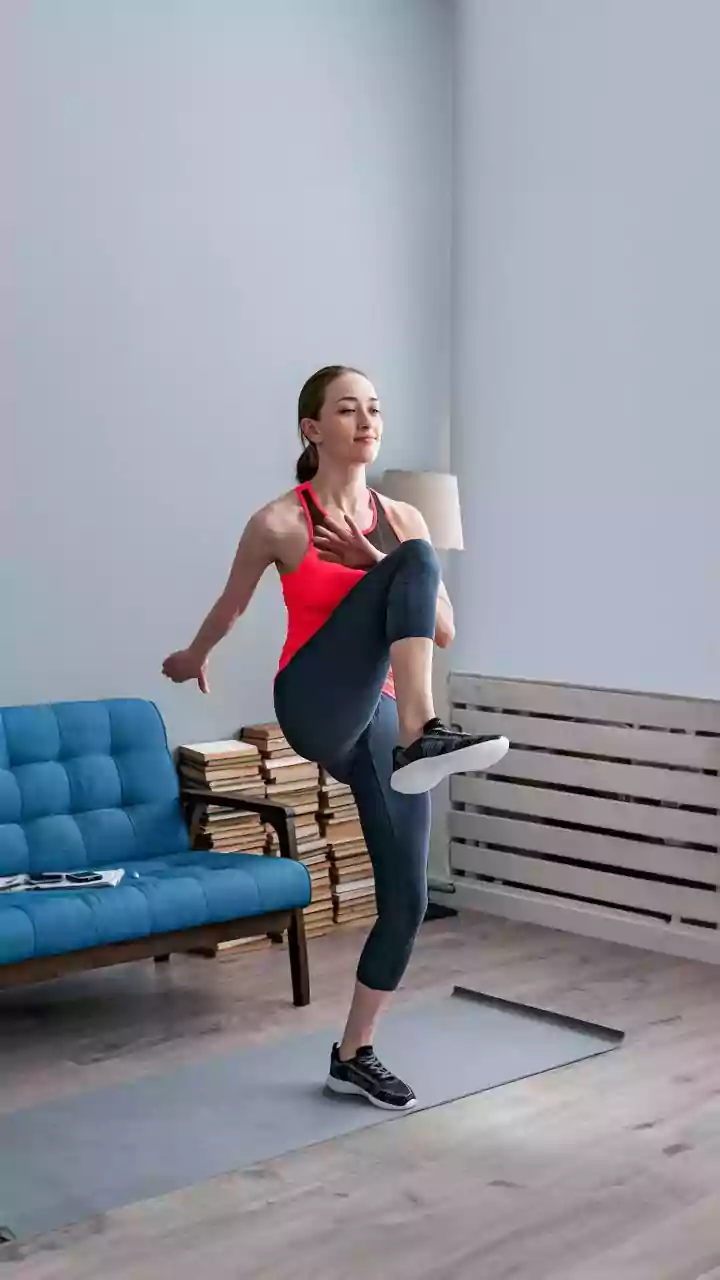
5. High Knees: Stand in place and run, bringing your knees up towards your chest. This is a great way to finish with a burst of intensity.
How to Make It a Habit
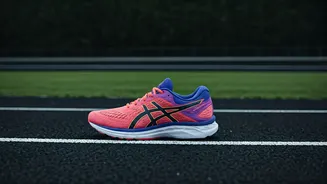
The secret to making your five-minute workout a permanent part of your life is to seamlessly integrate it into your existing schedule. This strategy, known as habit stacking, involves attaching a new habit to one you already do automatically. For example, decide to do your five-minute routine right after you brush your teeth in the morning or while you wait for your coffee to brew. You could also use transition moments in your day, like the break between work meetings or right when you get home. Setting an alarm or leaving your workout shoes in a visible place can serve as a powerful cue. The goal is to reduce decision fatigue by making the when and where of your workout automatic. Before you know it, these five minutes of movement will become a non-negotiable part of your day.