







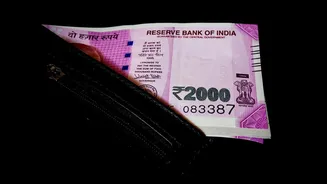
The 'Death by a Thousand Taps' Effect
Unified Payments Interface (UPI) has revolutionised how India transacts. From the street-side chaiwala to the mall, a quick scan and a PIN is all it takes. This convenience, however, has a hidden psychological cost. When you pay with physical cash, you feel
the tangible loss of money leaving your wallet. This creates a natural moment of friction, a small pause that makes you aware of the expense. Digital payments remove this friction entirely. A ₹30 payment for a snack or a ₹100 auto ride feels insignificant in the moment. Your brain dismisses it. But these small, seemingly harmless transactions—repeated daily—are what quietly drain your account. One study found that about 75% of users felt their spending increased after adopting UPI, highlighting how the 'invisibility' of digital money can lead to overspending.
Why Digital Spending Feels Less Real
The issue lies in what psychologists call 'emotional distance' or the 'pain of paying'. Studies have shown that people are willing to spend significantly more when using cards or digital methods compared to cash because the transaction feels abstract and less real. With UPI, the money isn't physically seen or handled; it's just a number on a screen. This disconnect means many of us only register the cumulative damage at the end of the month when we check our statements. By then, it's too late to reverse the dozens of small decisions that led to the shortfall, causing a cycle of confusion and stress about where the money actually went.
Step 1: Conduct a Weekly UPI Audit
The first step to gaining control is to build awareness. You can't manage what you don't measure. The same UPI apps that facilitate effortless spending also create a perfect, detailed log of your habits. Set aside 15 minutes every Sunday for a 'money date'. Open your UPI app and review every transaction from the past week. Don't judge, just observe. Notice the patterns. How many times did you order coffee? How much went to cabs or food delivery? Tally it up to see the real weekly cost of your small spends. This simple act of reviewing makes your spending conscious again.
Step 2: Create a Separate 'Spending' Account
One of the most effective strategies is to create a digital boundary. Avoid linking your primary salary account to your daily UPI apps. Instead, open a second, zero-balance savings account. At the beginning of each month, transfer your allocated budget for discretionary spending (like food, entertainment, and transport) into this account. Link your UPI apps only to this 'spending account'. When the balance runs low, you get a clear, unavoidable signal that you need to rein in your spending. Once the money is gone, it's gone. This mimics the old-school 'cash envelope' system and enforces your budget automatically.
Step 3: Use Digital Wallets for Micro-Budgets
If opening a new bank account seems like too much work, you can achieve a similar result using the wallet features within payment apps or the UPI Lite function. Decide on a weekly budget for specific categories you tend to overspend on, like 'lunch and snacks'. Load only that amount into your UPI Lite wallet. Once that wallet is empty, you've hit your limit for the week. This creates a 'soft stop' that forces you to be more mindful without cutting off your primary UPI access for essential payments.
Step 4: Reintroduce Healthy Friction
Since the core problem is a lack of friction, deliberately adding some back into your process can be very effective. Turn on SMS and email alerts for every UPI debit from your bank's app, not just the UPI app's push notification. A flood of transaction messages is a powerful reminder of how frequently you're spending. Another trick is to use the 'Request Money' feature when splitting bills with friends instead of paying for everyone and waiting to be reimbursed. It reduces mental load and ensures you’re not out of pocket while waiting.