






Master Your Drainage System
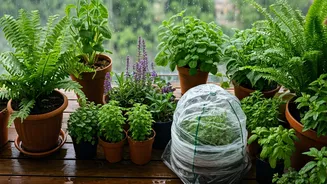
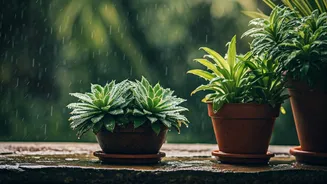
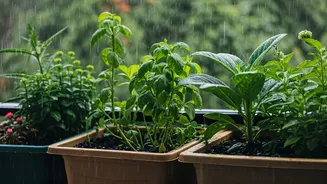
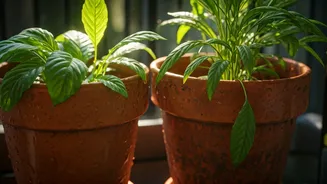
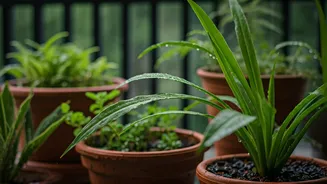
The single greatest threat to container plants during the monsoon is waterlogging, which leads to root rot. Your first line of defence is a superior drainage system. Before the rains intensify, ensure every pot has multiple, unobstructed drainage holes
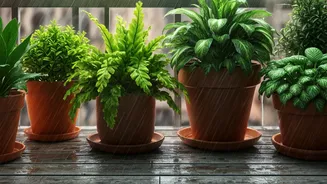
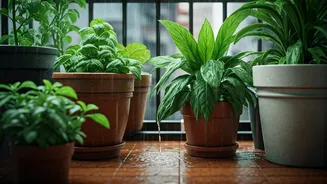
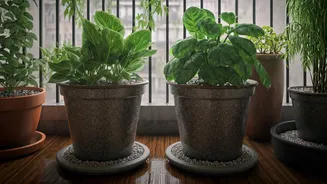
at the bottom. Dense garden soil becomes compacted and heavy in pots, so use a lighter, well-draining potting mix. Create your own by combining potting soil with materials like perlite, coarse sand, or vermiculite, which create air pockets and allow excess water to escape quickly. A common mistake is adding a thick layer of gravel to the bottom of pots; this does not improve drainage and can actually hinder it. Instead, elevate your pots slightly off the balcony floor using pot feet, bricks, or stands. This simple step prevents the drainage holes from getting blocked and stops the pots from sitting in puddles.
Perfect Your Watering Rhythm
With high humidity and frequent showers, your regular watering schedule needs a complete overhaul. The golden rule of monsoon watering is to check the soil first, always. The top layer may look dry, but the soil beneath can still be saturated. Push your finger about two inches into the soil; if it feels moist, do not water. Let nature do most of the work. Even on days without rain, the atmospheric moisture reduces the need for frequent watering. Overwatering is the most common cause of root rot, a silent killer that thrives in soggy conditions. Also, be sure to empty any saucers or drip trays placed under pots within 30 minutes of watering or after a shower. Allowing pots to sit in water-filled trays effectively defeats the purpose of having drainage holes in the first place.
Outsmart Monsoon Pests and Fungi
The damp, humid weather is a breeding ground for pests like slugs, snails, aphids, and various fungal diseases like powdery mildew. Regular inspection is key to catching problems early. Check the undersides of leaves and new shoots for any signs of infestation. To combat these issues organically, improve air circulation by avoiding overcrowding your plants; good spacing helps leaves dry faster. For pests like aphids and whiteflies, a simple spray made of mild liquid soap and water is effective. A neem oil solution is another excellent, all-purpose organic option that acts as both a fungicide and a pesticide. To deter slugs and snails, which love the damp conditions, you can create a barrier of crushed eggshells around the base of your plants.
Shield Plants from Wind and Rain
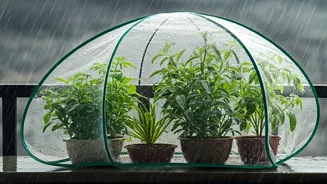
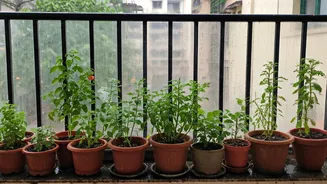
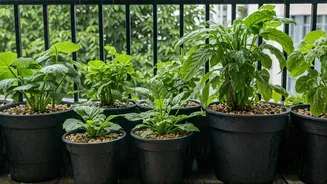
While rainwater is beneficial for plants, torrential downpours and strong winds can cause physical damage, breaking stems and shredding leaves. If possible, move more delicate plants to a sheltered spot, such as against a wall or under an overhang, during heavy storms. For taller plants, provide support using stakes to prevent them from snapping in the wind. If your balcony is very exposed, consider installing temporary protection. Awnings, bamboo blinds, or even a clear plastic sheet can be used to shield plants from the direct force of heavy rain while still allowing light through. Grouping pots together can also provide mutual support and create a microclimate that offers some protection from the wind.
Prune and Fertilise with Caution
Pruning is crucial during the monsoon. Trim away any dead or yellowing leaves, as well as overgrown branches, to improve air circulation throughout the plant. This not only helps prevent fungal infections but also encourages fresh, healthy growth. However, be cautious with fertilisers. It's a common myth that you need to fertilise more because the rain washes nutrients away. Waterlogged roots cannot absorb nutrients effectively, and adding fertiliser to stressed plants can do more harm than good. Wait for a break in the rain and for the soil to dry out slightly. Feed your plants with a light dose of organic compost or a balanced liquid fertiliser only when you see signs of active new growth.